Interactive transcript · 197 lines
Welcome back to TalkCast Discovery, Off the Map, Into the World.
欢迎回到《TalkCast 探索》,离开地图,走进世界。
I'm your host, Olivia, and today we're heading to a city in eastern China that Marco Polo once
我是主持人 Olivia,今天我们要前往一座位于中国东部的城市,马可·波罗曾
described as one of the grandest and most beautiful cities in the world.
将其描述为世界上最宏伟、最美丽的城市之一。
Now, that's not Beijing or Shanghai.
那不是北京,也不是上海。
It's Suzhou, a city with over 2 ,500 years of history, UNESCO World Heritage Gardens, ancient canals,
它是苏州,一座拥有超过 2500 年历史、拥有联合国教科文组织世界遗产园林、古老运河的城市,
and a food scene that will make your taste buds dance.
这里的饮食文化会让你的味蕾跳舞。
Here to guide us through this incredible place is Daniel, a cultural historian who spent three years
带领我们游览这个不可思议的地方的是 Daniel,他是一位花费了三年时间
living in Suzhou as a visiting scholar at Suzhou University.
以苏州大学访问学者身份在苏州生活的文化历史学家。
Daniel, welcome to the show.
Daniel,欢迎来到节目。
Thank you so much, Olivia.
十分感谢,Olivia。
I'm thrilled to be here.
我非常欣喜能来到这里。
Suzhou is honestly one of those cities that just gets under your skin.
老实说,苏州是那种让你念念不忘的城市。
I went there for research and I ended up falling completely in love with the place.
我为了研究去那里,结果彻底爱上了那个地方。
It's hard to leave once you've experienced life there.
一旦体验过那里的生活,就很难离开了。
I love that.
我喜欢这一点。
So let's start at the very beginning.
那我们就从最开始说起吧。
Over 2 ,500 years of history, that's mind -blowing.
超过 2500 年的历史,真是令人震撼。
How did Suzhou come to be?
苏州是如何形成的?
Right.
对。
So Suzhou was founded in 514 BC during a period called the Spring and Autumn Period.
苏州建立于公元前 514 年,正值春秋时期。
A general named Wu Zi Su designed the original city layout for the King of Wu.
一位名叫伍子胥的将军为吴王设计了最初的城市布局。
And here's what's amazing.
而且这里有件惊人的事情。
That basic layout still survives today.
那个基本的布局至今仍然保留着。
He created what historians call a double checkerboard pattern where streets run parallel to rivers.
他创造了历史学家所说的双棋盘格局,街道与河流平行。
So from the very beginning, water was part of the city's DNA.
所以从最开始,水就是这座城市基因的一部分。
Wait, so the canals we see today are based on a plan from 2 ,500 years ago?
等等,所以我们今天看到的运河是基于 2500 年前的规划?
That's incredible.
那真是不可思议。
Exactly.
没错。
And that's why people call Suzhou the Venice of the East.
这就是为什么人们称苏州为东方的威尼斯。
But honestly, Suzhou was much older than Venice.
但老实说,苏州比威尼斯古老得多。
The canals weren't just decorative, they were the highways of the city.
这些运河不仅具有装饰性的作用,它们还是城市的交通要道。
People transported silk, rice, and all kinds of goods along these waterways.
人们沿着这些水道运输丝绸、大米和各类货物。
And later, when the Grand Canal was built, which is itself a Unistro World Heritage Site, Suzhou
后来,当京杭大运河(其本身也是世界遗产)建成后,苏州
became one of the wealthiest cities in all of China.
成为了全中国最富有的城市之一。
So all that wealth must have shaped the city's culture in a big way.
所以这些财富一定在很大程度上塑造了这座城市的文化。
Absolutely.
确实。
Wealthy scholars and retired officials settled in Suzhou and they poured their money into building
富有的学者和退休官员在苏州定居,他们投入大量资金建造
these exquisite private gardens.
这些精美的私家园林。
These aren't your typical flower gardens.
这些不是典型的花园。
They're miniature universes.
它们是微缩的宇宙。
The designers used rocks to represent mountains, ponds to represent lakes, and carefully placed
设计者用石头代表山脉,用池塘代表湖泊,并精心布置
pavilions to create perfect views from every angle.
各种亭台以从每个角度创造完美的景色。
The idea was to bring the beauty of nature into a small private space.
其理念是将大自然的美融入一个小的私人空间。
And nine of these gardens are now UNESCO World Heritage Sites, right?
现在其中有九座园林是联合国教科文组织世界遗产,对吗?
Do you have a personal favorite?
你有个人最心仪的吗?
Oh, that's a tough question.
噢,那是个棘手的问题。
But I'd say the Master of Nets garden.
但我想说是网师园。
It's actually one of the smallest, but that's what makes it genius.
它实际上是最小的园林之一,但这正是其精妙之处。
The designers made this tiny space feel enormous through clever use of sight lines, mirrors of
设计者通过巧妙地利用视线、水面映射
water, and winding pathways.
以及曲折的小径,让这个狭小的空间感觉非常巨大。
You turn a corner, and suddenly there's a whole new scene in front of you.
你转过一个弯,突然你面前会出现一个全新的景象。
I used to go there on weekday mornings when it was quiet, and honestly, you could sit by the pond
我以前常在工作日的早晨去那里,那时很安静,老实说,你可以坐在池塘边
and forget you were in a modern city.
忘掉你置身于一座现代城市之中。
That sounds so peaceful.
听起来非常宁静。
Now, I know Suzhou is also famous for its performing arts.
现在我知道苏州也以其表演艺术而闻名。
Can you tell us about Kun -ku opera?
你能给我们讲讲昆剧吗?
Yes, Kun -ku is often called the ancestor of 100 operas.
是的,昆曲常被称为百戏之祖。
It developed nearby in Kunshan during the Ming Dynasty around the 14th century.
它于14世纪左右明朝期间在附近的昆山发展起来。
It combined singing, dance, acting, and even martial arts, all performed with incredibly graceful
它结合了唱、念、做、打,甚至还有武术,所有动作都表现得极其优美
slow movements.
缓慢的动作。
The lyrics are pure poetry.
歌词纯净如诗。
UNESCO recognized it as a masterpiece of intangible cultural heritage in 2001.
联合国教科文组织于2001年将其认定为非物质文化遗产的代表作。
I've seen clips online and the movements are just mesmerizing, but I've also heard about something
我在网上看过片段,那些动作简直令人着迷,但我也听说过一些别的东西
called Pington.
名叫评弹。
What's that?
那是什么?
Oh, Pington is wonderful.
噢,评弹非常精彩。
It's a storytelling art form that's about 400 years old.
这是一种有着约400年历史的说书艺术形式。
Imagine this.
想象一下这个场景。
One or two performers sit on a simple stage, usually in a tea house, wearing plain long gowns.
一两名表演者坐在简单的舞台上,通常是在茶馆里,穿着朴素的长袍。
One plays a pipa, that's a traditional lute, and the other plays a sanxian, a three -stringed
一个人弹琵琶,那是一种传统的鲁特琴,另一个人弹三弦,一种三弦的
instrument.
乐器。
And they tell these long dramatic stories through a mix of speaking and singing, all in the soft,
他们通过说唱结合的方式讲述这些长篇戏剧性的故事,全部使用轻柔的、
melodic Suzhou dialect.
悦耳的苏州方言。
It sounds almost like music even when they're just talking.
即使他们只是在说话,听起来也几乎像音乐一样。
I love that.
我喜欢那个。
That's actually a great comparison.
这实际上是一个很好的类比。
And the beauty of Pington is that it's still alive.
评弹的美妙之处在于它依然富有生命力。
You can walk into a tea house on Pingjiang Road, order a cup of green tea, and listen to a Pington
你可以走进平江路上的一家茶馆,点一杯绿茶,听一段评弹
performance just like people did hundreds of years ago.
就像几百年前的人们那样欣赏表演。
It's not a museum piece.
它不是一件博物馆陈列品。
It's a living tradition.
它是一项活着的传统。
Speaking of Pingjiang Road, I've heard it's one of the most charming streets in China.
说到平江路,我听说它是中国最迷人的街道之一。
What's it like to actually walk through it?
实际上走在其中是什么感觉?
Oh, it's magical.
噢,那感觉很奇妙。
Picture a narrow lane about 1 .6 kilometers long, running alongside an ancient canal.
想象一条约1.6公里长的狭窄小巷,沿着一条古老的运河延伸。
The buildings are all whitewashed walls with dark gray tiles, very classic Jangnan style.
建筑都是粉墙黛瓦,非常经典的江南风格。
There are little stone bridges arching over the water and tiny alleyways branching off in every
水面上横跨着小石桥,微小的巷子向各个方向延伸
direction.
方向。
Each alley has its own character, maybe a silk shop in one, a noodle stall in another, a small
每条小巷都有自己的特色,也许这一条里有一家丝绸店,另一条里有一个面摊,或者一个
courtyard with an old Osmanthus tree.
有着一棵老桂花树的小院子。
The street actually appears on a stone map carved in 1229, and the layout has barely changed since
这条街道实际上出现在1229年刻制的石刻地图上,从那以后布局几乎没有改变
then.
从那时起。
A street that hasn't changed in 800 years.
一条800年都没改变过的街道。
That's like walking through a living history book.
那就像走在一本活生生的历史书里。
Now, I have to ask about the food because I've heard Suzhou cuisine is quite unique.
现在,我得问问关于食物的事,因为我听说苏州菜系非常独特。
Oh, the food.
噢,食物。
Okay, so the first thing you need to know about Suzhou food is that it's sweet.
好的,关于苏州食物,你需要知道的第一件事就是它是甜的。
Not dessert sweet, but there's this gentle, delicate sweetness in many dishes that surprises a lot
不是甜点那种甜,而是许多菜肴中都有一种温柔、细腻的甜味,让很多
of visitors.
游客感到惊讶。
The local cooking style is called Subang Chai, and it's all about subtlety.
当地的烹饪风格被称为苏帮菜,其核心在于精妙。
Instead of bold spices, Suzhou chefs use light seasonings that let the natural flavors of the
苏州厨师不使用浓烈的香料,而是使用清淡的调味品,让食材的天然风味
ingredients shine through.
尽情展现食材的本味。
That's so different from Sichuan food, which is all about the fire and spice.
这与川菜截然不同,川菜讲究的是火候和香料。
Total opposite.
完全相反。
And here's something I really love about Suzhou food culture.
这就是我非常喜欢的苏州饮食文化的一点。
They follow the seasons religiously.
他们虔诚地(严格地)遵循季节规律。
There's an old saying, buxie buxie, which basically means if it's not the right season, don't eat
有一句古话叫“不时不食”,基本上意味着如果不是合适的季节,就不吃
it.
它。
In spring, you eat tiny lake shrimp.
春天,你会吃小湖虾。
In summer, it's lotus root and water chestnuts.
夏天,是藕和荸荠。
And in autumn, autumn is the best.
而到了秋天,秋天是最棒的。
It's hairy crab season.
这是大闸(多毛的)蟹的季节。
People in Suzhou get genuinely excited about hairy crabs the way some people get excited about a new
苏州人对大闸蟹感到真心地兴奋,就像有些人对一部新
movie release.
电影上映感到兴奋一样。
I love that.
我喜欢这一点。
So what's the one dish that every visitor absolutely has to try?
那么,哪一道菜是每一位游客绝对必须尝试的呢?
Without a doubt, squirrel -shaped Mandarin fish.
毫无疑问,是松鼠鳜鱼。
The name sounds funny, I know, but here's what happens.
我知道这个名字听起来很有趣,但情况是这样的发生的。
The chef takes a whole Mandarin fish, debones it with incredible precision, and then scores the
厨师取一整条鳜鱼,以惊人的精确度去骨,然后给
flesh in a crosshatch pattern.
鱼肉划上交叉网格图案。
When it hits the hot oil, the scored pieces puff up and fan out, so it actually looks like a
当它入油锅时,划开的部分会隆起并散开,所以它实际上看起来就像一只
squirrel with its tail raised.
尾巴翘起的松鼠。
Then they pour this gorgeous bright orange sweet and sour sauce over it.
然后他们在上面浇上这种华丽的、鲜橙色的酸甜酱汁。
The outside is golden and crispy.
外皮金黄酥脆。
The inside is tender and flaky.
里面鲜嫩且呈片状。
And that sauce, tangy, sweet with a hint of ginger just brings everything together.
还有那酱汁,味道浓烈的、微甜且带着一丝姜味,把所有味道融合在一起。
Oh my goodness, I can almost taste it.
哦天哪,我几乎能尝到它的味道了。
You paint such a vivid picture.
你描述的画面如此生动。
What about the famous Suzhou noodles?
那著名的苏州面条呢?
I've heard they're a breakfast tradition.
我听说它们是一种早餐传统。
Yes, Suzhou style noodles are a way of life there.
是的,苏式面条是那里的一种生活方式。
The key is the broth.
关键在于高汤。
It's this crystal -clear soup that takes hours to prepare.
就是这种清澈见底的汤,需要花几个小时来准备。
It looks simple, almost plain, but when you taste it, there are so many layers of flavor.
它看起来简单,几乎平淡无奇,但当你品尝它时,会有如此丰富的味觉层次。
Pork bone, eel, dried shrimp.
猪骨、黄鳝、虾干。
The noodles are thin and springy, and you choose your own toppings.
面条又细又有筋道(有弹性的),你可以选择自己的浇头。
My favorite was the braised duck noodles.
我最喜欢的是焖鸭面。
I used to get up early just to grab a bowl at this tiny shop near my apartment.
我以前常常起得很早,就为了在我公寓附近的那家小店吃上一碗。
The owner had been making noodles for over 30 years.
店主做面条已经超过30年了。
That's the kind of experience you just can't get from a sidebook.
这种经历是你从指南书上无法得到的。
Now let's talk about something else Suzhou is world famous for.
现在让我们谈谈苏州另一件闻名世界的事。
Silk.
丝绸。
What's the story there?
那里的故事是什么?
Silk has been part of Suzhou's identity for thousands of years.
几千年来,丝绸一直是苏州身份(象征)的一部分。
The city's location near Taihu Lake, with its mild climate and abundant mulberry trees, made it
这座城市坐落在太湖之滨,气候温和,桑树丰富的,这使得它
perfect for raising silkworms.
非常适合养蚕。
But what really sets Suzhou apart is Su embroidery.
但真正让苏州脱颖而出的是苏绣。
This is one of China's four great embroidery traditions.
这是中国四大刺绣传统之一。
The artists use silk threads that are sometimes split into tiny strands, thinner than a human hair,
艺术家们使用的丝线有时会被劈成极细的股,比人的头发还细,
to create images that look like paintings.
来创作出看起来像画一样的图像。
I watched a master embroider a cat's face once, and the fur looked so real you wanted to reach out
我曾见过一位大师刺绣猫的面部,那毛发看起来如此逼真,让人忍不住想伸手
and pet it.
去抚摸它。
Thinner than a human hair.
比人的头发更细。
That level of detail is just unbelievable.
那种细腻程度简直不可思议。
Now Daniel, Suzhou is also a modern city with a booming tech industry.
丹尼尔,现在的苏州也是一座拥有蓬勃发展的科技产业的现代城市。
How does it balance all this ancient heritage with modern development?
它是如何平衡这些古老的遗产与现代发展的呢?
That's actually one of the most fascinating things about Suzhou.
这实际上是苏州最迷人的地方之一。
You have the old city, the canals, the gardens, the traditional neighborhoods, and then just to the
这里有老城区、运河、园林和传统的街区,然后就在
east is the Suzhou Industrial Park, which is the sleek modern district with skyscrapers and tech
东边是苏州工业园区,那是一个拥有摩天大楼和科技公司的时尚现代片区。
companies.
公司。
But the city has been really intentional about protecting its heritage.
但这座城市在保护其遗产方面确实非常用心。
The old town has strict building height limits.
老城区有着严格的建筑高度限制。
You won't see a glass tower next to a 500 year old garden.
你不会在有500年历史的园林旁边看到玻璃大楼。
They've also invested in keeping traditional crafts alive, training young people in Su embroidery,
他们还投入资金保护传统工艺,培训年轻人学习苏绣,
supporting kun -chu and ping -ton performers, preserving the canal neighborhoods.
支持昆曲和评弹演员,保护运河街区。
So it's not an either -or situation.
所以这不是一个非此即彼的局面。
It's both old and new living side -by -side.
而是新旧共存。
Exactly, and I think that's what makes Suzhou so special.
正是如此,我想这就是苏州如此特别的原因。
It's not frozen in time like a museum.
它不像博物馆那样被时间冻结。
It's a living, breathing city where a grandmother might practice Tai Chi in a classical garden in
这是一个充满活力的城市,老奶奶可能会在早晨的古典园林里打太极,
the morning, a young designer might draw inspiration from traditional silk patterns in the
年轻设计师可能会在下午从传统丝绸图案中汲取灵感,
afternoon, and a tech worker might enjoy a ping -ton performance after dinner.
科技工作者可能会在晚餐后欣赏一场评弹表演。
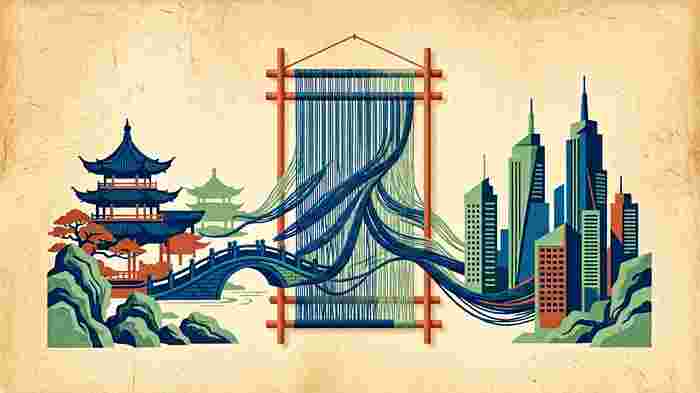
The past and the present are woven together like silk threads on a loom.
过去与现在像织布机上的丝线一样交织在一起。
What a beautiful way to put it, Daniel.
丹尼尔,这个比喻真美妙。
Thank you so much for taking us on this incredible journey through Suzhou.
非常感谢你带我们领略这段苏州的惊人旅程。
From the ancient canals and poetic gardens to the sizzling mandarin fish and silk threads thinner
从古老的运河和富有诗意的园林,到滋滋作响的松鼠桂鱼和比
than hair, I feel like I've been there.
头发还要细的丝线,我感觉自己仿佛亲临其境。
It's been my pleasure, Olivia, and I'd say to all the listeners, if Suzhou isn't on your travel list
这是我的荣幸,奥利维亚。我想对所有听众说,如果苏州还没在你的旅游清单上,
yet, put it there.
还请加上它。
It's a city that rewards curiosity.
这是一座会奖赏好奇心的城市。
Absolutely, and before we go, here's a fun question for all of you listening.
当然,在我们结束之前,给所有听众留一个有趣的问题。
Suzhou's classical gardens use rocks, water, plants, and architecture to create miniature
苏州古典园林利用石、水、植物和建筑来创造微缩的
landscapes.
景观。
If you could design your own private garden to represent your ideal world, what four elements would
如果你可以设计自己的私家园林来代表你理想的世界,你会
you include and why?
包括哪四个元素?为什么?
Write your answer in the comments and check out what other listeners have to say too.
在评论区写下你的答案,也看看其他听众是怎么说的。
If you enjoyed this episode, please subscribe and share Talkcast with your friends.
如果你喜欢这一集,请订阅并将 Talkcast 分享给你的朋友。
We really appreciate all the wonderful feedback and support from our listeners.
我们非常感激听众们所有美妙的反馈和支持。
It means the world to us.
这对我们来说意义重大。
A quick reminder, the English transcript of this episode and our other episodes will be posted
提示一下,本集及其他节目的英文文字稿将
regularly on the Talkcast official WeChat account.
定期发布在 Talkcast 官方微信公众号上。
Head over there if you'd like to read along.
如果你想边听边读,请关注那里。
Finally, we'd love to hear from you.
最后,我们很想听听你们的想法。
Leave a comment telling us which place or topic you'd like us to explore next, and we'll use your
留言告诉我们你希望我们下次探索哪个地方或话题,我们会根据你的
suggestions to plan upcoming episodes.
建议来规划未来的节目。
Until next time, I'm Olivia, and this has been Talkcast Discovery.
下次见,我是奥利维亚,这里是 Talkcast 探索频道。
Keep exploring, keep discovering, and we'll see you on the next journey.
继续探索,继续发现,我们下次旅程再见。