Interactive transcript · 247 lines
Welcome back to Talkcast Discovery, Off the Map, Into the World.
欢迎回到“畅聊发现:走出地图,探索世界”。
I'm Grace, and today we're heading to a city that has witnessed the rise and fall of dynasties.
我是格蕾丝,今天我们将前往一座见证了朝代兴衰的城市。
A city that has been the capital of China not just once, but 10 different times across history.
这座城市历史上不仅一次,而是10次成为中国的历史首都。
We're talking about Nanjing.
我们谈论的是南京。
And here's a fun fact to get us started.
这里有一个有趣的事实让我们开始。
Nanjing has the longest ancient city walls still standing anywhere in the world, stretching over 25
南京拥有世界上仍然矗立的最长的古代城墙,绵延超过25
kilometers.
公里。
Imagine walking along a wall that's been standing since the 1300s.
想象一下沿着自14世纪以来一直矗立的城墙漫步。
To help us explore this incredible city, I have a wonderful guest today.
为了帮助我们探索这座令人难以置信的城市,我今天请到了一位伟大的嘉宾。
Leo is a cultural historian and lecturer at Nanjing University School of History, and most
利奥是南京大学历史学院的文化历史学家和讲师,最
importantly, he was born and raised right there in Nanjing.
重要的是,他就在南京土生土长。
Leo, welcome to Talkcast.
利奥,欢迎来到畅聊节目。
Thank you so much, Grace.
非常感谢你,格蕾丝。
It's a real pleasure to be here, and I love that you started with the city wall because every time I
很高兴能来到这里,我很高兴你从城墙开始,因为每次我
walk along it, I still get goosebumps.
沿着它散步时,我仍然会起鸡皮疙瘩。
You know, I grew up playing near that wall as a kid.
你知道的,我小时候就在那堵墙附近玩耍长大。
My grandmother's house was just a few blocks away from the Zhonghua Gate section, and I remember
我祖母的房子离中华门段只有几个街区,我记得
running my fingers along the bricks and finding names carved into them.
用手指抚摸着砖块,发现上面雕刻的名字。
The names of the workers who made those bricks over 600 years ago.
600多年前制作这些砖块的工人的名字。
That's what hooked me on history in the first place.
这就是最初让我迷上历史的原因。
Wait, names actually carved into the bricks?
等等,名字真的刻在砖上吗?
That's amazing.
这太神奇了。
Tell me more about that.
告诉我更多关于这方面的信息。
Yes, so when the first Ming dynasty emperor, Zhu Yuanzhang, ordered the wall to be built back in the
是的,当明朝第一位皇帝朱元璋在
1360s, he wanted to make sure every single brick was high quality.
1360年代下令修建城墙时,他想确保每一块砖都是高质量的。
So he required the workers to stamp their names, their supervisors' names, and even the names of
所以他要求工人们把他们的名字、监工的名字,甚至
local officials onto each brick.
地方官员的名字盖在每一块砖上。
It was basically a quality control system.
这基本上是一个质量控制系统。
If a brick was poorly made, they could trace it right back to you.
如果砖块做得很差,他们可以直接追溯到你身上。
So these inscriptions are like a massive historical record, the largest set of construction records
所以这些铭文就像一个巨大的历史记录,是最大的建设记录集
from ancient China.
来自古代中国。
Oh wow, so it was like an ancient accountability system.
噢哇,所以这就像一个古代的问责系统。
That's brilliant.
这太才华横溢了。
Now, Leo, let's take a step back and give our listeners the bigger picture.
现在,利奥,让我们后退一步,给我们的听众提供一个更大的宏观图景。
Why was Nanjing so important?
为什么南京如此重要?
Why did so many rulers choose it as their capital?
为什么这么多统治者选择它作为首都?
Great question.
好问题。
So Nanjing sits on a really strategic spot.
所以南京坐落在一个真正具战略意义的地方。
It's on the southern bank of the Yangtze River, one of the longest rivers in the world.
它位于长江南岸,长江是世界上最长的河流之一。
To the east, you have Purple Mountain or Zijin Shan, which acts as a natural barrier.
东边有紫金山,它充当着天然的屏障。
And the Qin Huai River runs right through the city's center.
秦淮河径直穿过市中心。
So geographically, it's naturally protected.
所以从地理上讲,它是受大自然保护的。
But beyond military strategy, Nanjing has always been a cultural powerhouse.
但除了军事策略之外,南京一直是个文化重镇。
It's one of China's four great ancient capitals, alongside Beijing, Sian, and Luoyang.
它是中国的四大古都之一,与北京、西安和洛阳并列。
The city is especially famous as the ancient capital of the six dynasties.
这座城市作为六朝古都而格外闻名。
That's a period from roughly the third to the sixth century, when six different ruling houses made
这是一个大约从三世纪到六世纪的时期,当时六个不同的统治家族使
Nanjing their seat of power.
南京成为他们权力的所在地。
Six dynasties.
六个朝代。
That's a lot of history packed into a few centuries.
这是在几个世纪里压缩的大量历史。
What was life like during that period?
那段时期的生活是怎样的?
It was actually a golden age for culture.
这实际上是文化的黄金时代。
While the north of China was going through a lot of conflict, scholars, artists, and craftsmen
当中国北方经历许多冲突时,学者、艺术家和工匠
migrated south to Nanjing.
迁移到了南京。
So the city became this melting pot of talent and creativity.
所以这座城市成了人才和创意的熔炉。
Silk weaving, ceramics, metalwork, poetry, painting, everything flourished.
丝织、陶瓷、金属工艺、诗歌、绘画,一切都繁荣发展。
And one incredible art form that survives from that tradition is Nanjing cloud brocade, or Yunjin.
从传统中幸存下来的令人难以置信的艺术形式之一就是南京云锦。
It's a type of silk weaving so intricate and so beautiful that it was reserved for making imperial
这是一种丝织品,如此错综复杂且美丽,以至于它是专门用来制作御用的
robes.
长袍的。
UNESCO now recognizes it as an intangible cultural heritage of humanity.
联合国教科文组织现在将其认定为人类非物质文化遗产。
Cloud brocade.
云锦。
I love that name.
我喜欢那个名字。
It sounds so poetic.
听起来太富有诗意了。
It really does.
确实如此。
And when you the fabric, you understand why.
当你触摸这块织物时,你就明白了为什么。
The patterns shimmer and shift in the light, almost like clouds moving across the sky.
图案在光线下闪烁变换,几乎像云彩在天空中移动。
Each piece can take months to weave on hand on these special looms.
每一件作品在这些特殊的织机上手工织造都需要几个月的时间。
It's one of those art forms where you realize this took generations of knowledge to perfect.
这是那种让你意识到这需要几代人的知识才能完善的艺术形式之一。
That's fascinating.
太迷人了。
Now let's move from the workshops to the streets, because I know Nanjing has this incredibly rich
现在让我们从作坊走到街道,因为我知道南京有这种极其丰富的
living culture, especially around the Qinwei River and the Confucius temple area, Fuzimiao.
活态文化,特别是在秦淮河和孔庙地区,即夫子庙周围。
What's the vibe like there?
那里的氛围是怎样的?
Oh, Fuzimiao is the beating heart of Nanjing.
哦,夫子庙是南京的跳动心脏。
So picture this.
所以想象一下这个画面。
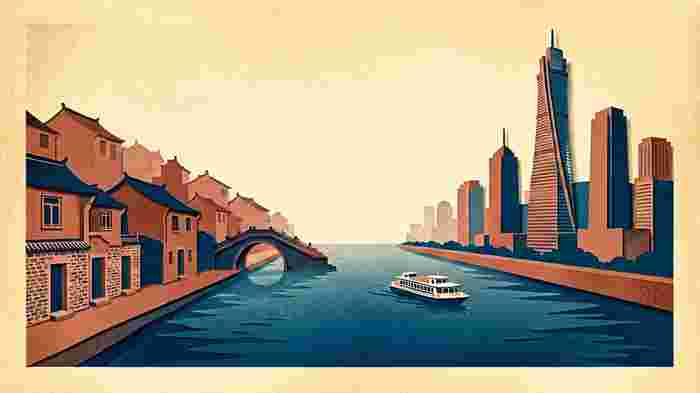
You're standing beside this calm, narrow river.
你正站在这条平静、狭窄的河边。
On both banks, you see traditional buildings with curved rooftops and red lanterns hanging
在两岸,你可以看到带有飞檐和挂着红灯笼的传统建筑
everywhere.
到处都是。
The reflections dance on the water.
倒影在水面上跳舞。
There's the sound of street vendors calling out, the smell of fried scallion pancakes drifting
有街头小贩的叫卖声,炸葱油饼的香味飘荡着
through the air.
在空气中。
And right at the center of it all stands the Confucius temple, which was first built in the year
而在这一切的正中心矗立着孔庙,它最初建造于
1034 during the Song dynasty.
宋朝1034年。
I can almost picture it.
我几乎能想象出来了。
And I've heard that the area around the temple used to be a major center for education and exams.
我听说庙宇周围的地区曾经是教育和考试的主要中心。
Absolutely.
绝对是这样的。
Right next to the temple, there was the Zhongnan Imperial Examine Hall.
紧挨着寺庙,有江南贡院(注:原文误拼为Zhongnan,此处对应考场)。
This was where scholars from across southern China would come to take the imperial exams, which were
这里是来自中国南方的学者们来参加科举考试的地方,科举考试
basically the path to becoming a government official.
基本上是成为政府官员的途径。
We're talking about thousands of candidates crammed into tiny individual exam cells, writing essays
我们谈论的是成千上万的考生被塞进狭小的独立考号里,写文章
for days.
持续好几天。
It was incredibly intense.
这极其紧张激烈。
Today there's a museum there, the China Imperial Exam Museum, where you can actually see what those
今天那里有一个博物馆,即中国科举博物馆,你可以在那里真正看到那些
tiny exam rooms looked like.
微型考场长什么样。
It really gives you a sense of how serious and demanding the whole process was.
这确实让你感受到整个过程是多么严肃和苛刻。
Days of writing in a tiny room?
在一个极小的房间里写几天字?
That sounds brutal.
听起来太残酷了。
I thought modern standardized tests were tough.
我还以为现代标准化考试已经很艰难了。
Now I have to ask about something I keep hearing, the Chinhui Lantern Festival.
现在我不得不问一件我一直听到事情,那就是秦淮灯会。
What's that about?
那是关于什么的?
That's one of my favorite traditions.
那是我最喜欢的传统之一。
Every year from the Chinese New Year through to the Lantern Festival, that's usually in February,
每年从中国新年一直到元宵节,那通常在二月份,
the entire Chinhui River area transforms into this magical world of light.
整个秦淮河地区蜕变成了一个充满魔幻色彩的光影世界。
There are enormous lantern displays shaped like dragons, phoenixes, lotus flowers, characters from
这里有形状像龙、凤凰、莲花以及各种人物的巨大花灯展出,
Chinese mythology.
取材于中国神话故事。
Some of them are several stories tall.
其中有些花灯有几层楼那么高。
And then there are the smaller personal lanterns that people set floating on the river.
然后还有人们放在河面上漂浮的较小的个人河灯。
You see these glowing lights drifting downstream and it's just breathtaking.
你看着这些发光的灯笼顺流而下,简直美得令人窒息。
There are also dragon dances, folk performances, and markets selling traditional crafts and snacks.
还有舞龙、民俗表演,以及售卖传统手工艺品和小吃的集市。
That sounds absolutely magical.
听起来绝对太神奇了。
And speaking of snacks, let's talk about food because I know Nanjing has a very special reputation
说到小吃,我们来聊聊食物吧,因为我知道南京在某种特定食材上有着非常特殊的声誉
when it comes to one particular ingredient.
当谈到某一种特定的食材时。
You mean duck.
你是说鸭子。
Yes, Nanjing is the undisputed duck capital of China.
是的,南京是无可争议的中国鸭都。
People here are obsessed with duck.
这里的人们对鸭子痴迷不已。
We have a saying, if it's a duck, Nanjing people will find a way to cook it.
我们有一句俗语,只要是鸭子,南京人总能找到办法把它烹饪好。
I love that.
我太喜欢这个了。
So what's the most famous duck dish?
那最著名的鸭子菜是什么?
That would be Nanjing Salted Duck or Yan Shui Ya.
那当属南京盐水鸭或盐水鸭(Ya)。
It has a history of over a thousand years.
它拥有一千多年的历史。
And the first thing you notice is the appearance.
你首先注意到的就是它的外观。
The skin is this beautiful snowy white color.
它的皮呈现出这种美丽的雪白色。
The duck is dry cured with salt, Sichuan peppercorns, ginger, and star anise, and then slowly
鸭子用盐、花椒、生姜和大料进行干腌,然后慢慢地
poached in a seasoned brine.
在调味卤汁中文火煮熟。
When it's done right, the meat is incredibly tender and juicy, but not greasy at all.
如果做得恰到好处,肉质会极其鲜嫩多汁,而且一点也不油腻。
The flavor is subtle and clean.
它的风味微妙而纯正。
You taste the natural sweetness of the duck enhanced by those gentle spices.
你能品尝到由温和香料所衬托出的鸭肉的自然甜味。
You're making me hungry.
你把我都说饿了。
And I read somewhere that it has a special nickname connected to a flower.
我曾在某处读到过,它有一个与花朵相关的特别绰号。
Yes, it's sometimes called Osmanthus duck or Gui Huaya.
是的,它有时被称为桂花鸭或桂花鸭。
The idea is that the best salted duck is made in autumn when the sweet scented osmanthus flowers are
这种说法的意思是,最好的盐水鸭是在秋天制作的,那时甜香的桂花
blooming all over the city.
正盛开在城市的各个角落。
Imagine walking down a street and you can smell this delicate, honeyed fragrance from the osmanthus
想象一下,走在街上,你能闻到桂花散发出的那种清雅、甜美的芳香
blossoms.
花朵。
And then you step into a little shop and you're greeted by this perfectly prepared cold duck.
然后你走进一家小店,迎接你的是这道制作完美、凉爽可口的鸭肉。
It's a complete sensory experience.
这是一次完整的感官体验。
The golden autumn light, the floral scent in the air, and then that first tender savory bite.
金色的秋光,空气中的花香,然后是第一口鲜嫩美味的肉。
That is such a beautiful image.
这真是一幅美丽的画面。
Okay, what else should our listeners know about Nanjing food?
好的,我们的听众还应该了解南京食物的什么呢?
Well, two more things you absolutely must try.
嗯,还有两样你绝对必须尝试的美食。
First is Tong Bao.
首先是汤包。
These are giant steamed soup dumplings.
这些是巨大的蒸汤包。
Now you might be thinking of the little Shao Long Bao from Shanghai, but Nanjing Tong Bao are much
现在你可能会想起上海的小笼包,但南京汤包要大得
bigger.
多了。
They're so full of hot savory soup inside that you actually drink the broth with a straw first and
它们里面装满了热腾腾的鲜美汤汁,以至于你实际上得先用吸管喝汤,
then eat the dumpling.
然后才吃饺子/包子。
The soup is rich, almost like a concentrated bone broth, and the wrapper is thin but strong enough
汤汁浓郁,几乎像浓缩的骨头汤,而且皮很薄但足够结实
to hold everything together.
能把所有的东西都包裹在一起。
It's engineering and art on a plate.
盘中的食物简直是工程学与艺术的结合。
A dumpling you drink with a straw?
可以用吸管喝的包子?
I didn't know that.
我之前并不知道这一点。
What's the second thing?
那第二样东西是什么?
Duck blood vermicelli soup, Yah Shui Fren Si Tong.
鸭血粉丝汤,呀水粉丝汤。
I know the name might sound a little unusual to some listeners, but trust me, it's comfort food at
我知道这个名字对某些听众来说可能听起来有点寻常以外的陌生,但相信我,这是最
its finest.
极致的慰藉美食。
You have a rich savory duck broth, silky sweet potato noodles, little cubes of firm duck blood,
这里有浓郁美味的鸭汤,丝滑的红薯粉条,一小块一小块紧实的鸭血,
which has a texture almost like soft tofu, plus fried tofu puffs and tender duck organs.
它的口感几乎就像嫩豆腐一样,再加上油豆腐泡和鲜嫩的鸭杂。
The whole bowl is warming and deeply satisfying.
整碗汤暖意融融,让人感到深深的满足。
You'll see locals eating it for breakfast, lunch, even as a late night snack.
你会看到当地人把它当早餐、午餐,甚至是深夜的小吃来吃。
It's real street food, the kind of dish that tells you everything about what a city loves.
这是真正的街头小吃,这种菜肴能向你展现一座城市的一切所爱。
I really want to try that now.
我现在真的很想尝尝这个。
You know, what strikes me about everything you're describing is how Nanjing has this incredible
你知道的,你所描述的一切最让我触动的是南京拥有这种令人难以置信的
depth, layers of history, art, food, but it's not a museum city.
深度、历史、艺术和美食的层叠,但它并非一座博物馆城市。
It feels very much alive.
它感觉非常具有活力。
Tell me about modern Nanjing.
跟我讲讲现代的南京吧。
How does the city balance all this heritage with contemporary life?
这座城市是如何在所有这些传统文化与当代生活之间取得平衡的呢?
That's exactly the right word, layers.
这绝对是个贴切的词,层次。
And one of the best symbols of that balance is actually the trees.
而这种平衡最好的象征之一其实就是树木。
Nanjing is famous for its sycamore -lined streets.
南京以其林荫大道而闻名,道路两旁种满了梧桐树。
Some people call them French plane trees.
有些人称它们为法国梧桐树。
These tall, graceful trees arch over the roads and create these beautiful green tunnels.
这些高大、优雅的树木在道路上方拱起,构成了这些美丽的绿色隧道。
Many of them were planted in the early 20th century, so they're over a hundred years old now.
其中许多是在20世纪初种植的,所以它们现在已经有一百多年的历史了。
In summer, when Nanjing gets incredibly hot, it's one of China's so -called four furnace cities.
夏天,当南京热得难以置信时,它是中国所谓的四大火炉城市之一。
These trees provide essential shade.
这些树木提供了必不可少的树荫。
They're so beloved that back in 2011, when the city planned to remove some old sycamores for subway
它们是如此深受喜爱,以至于早在2011年,当该市计划为修建地铁而砍伐一些老梧桐树时,
construction, there was a massive public protest.
引发了大规模的公众抗议。
People came together online and on the streets to protect their trees.
人们在网络上和街头齐心协力来保护他们的树木。
Really?
真的吗?
People protested to save trees?
人们为了拯救树木而进行抗议?
That tells you something about the soul of the city.
这向你揭示了这座城市的灵魂所在。
It really does.
确实如此。
People here see those trees as part of their identity, as links to the past that can't be replaced.
这里的人们将这些树木视为他们身份的一部分,视为与过去无法替代的联系。
And there's even a romantic legend about them.
甚至还有关于它们的浪漫传说。
Some say they were planted on the orders of Chiang Kai -shek as a gift for his wife, Song Meiling,
有人说它们是奉蒋介石的命令种植的,作为送给他妻子宋美龄的礼物,
creating a green corridor from her palace to the city center.
从而打造了一条从她的官邸通往城市中心的绿色长廊。
Historians debate whether that's entirely true, but the story itself shows how much these trees mean
历史学家们在争论这是否完全属实,但这个故事本身表明了这些树对人们有多么重要
to people.
。
What a lovely story, true or not.
无论真假,这是一个多么动人的故事啊。
And I also know Nanjing is a huge university city.
而且我也知道南京是一座巨大的大学城市。
How does that shape the culture?
这如何塑造了这里的文化?
Enormously.
极其深远。
Nanjing is home to some of China's most prestigious universities.
南京拥有中国一些最负盛名的大学。
Nanjing University, Southeastern University, and many others.
南京大学、东南大学以及许多其他高校。
The student population brings this incredible, youthful energy.
学生群体带来了这种令人难以置信的、青春的活力。
You've got bookshops and cafes everywhere, art exhibitions, live music scenes, international
到处都是书店和咖啡馆、艺术展、现场音乐表演、国际化
exchange programs.
交流项目。
So on any given day, you might find a student from Germany debating Chinese philosophy with a local
所以在任何一天,你都可能会发现一个来自德国的学生在仙林校区的一家咖啡馆里与当地教授辩论中国哲学
professor in a cafe on Sianlin campus.
。
Or you might find a group of young designers creating art inspired by cloud brocade patterns, but
或者你可能会发现一群年轻设计师创作受云锦图案启发但带有现代气息的艺术品
with modern twist.
,但又别具一格。
That mixture of old tradition and young creativity, that's what makes Nanjing feel so vibrant and
古老传统与年轻创造力的这种融合,正是让南京感觉如此充满活力和
alive.
生机勃勃的原因。
I love that image.
我喜欢那个图像。
Ancient craft meeting modern creativity.
古代工艺与现代创造力的交融。
It sounds like Nanjing is a city that respects its past without being trapped by it.
听起来南京是一座尊重过去而不被其困住的城市。
Exactly.
确实如此。
And you can feel it when you walk around.
当你四处走动时,你能感受到这一点。
One moment you're on the ancient city wall looking over the rooftops in the trees.
前一刻你还站在古城墙上俯瞰树丛中的屋顶。
The next moment you're in a modern tech park or a trendy restaurant that serves a creative take on
下一刻你就身处一个现代科技园或一家提供富有创意做法的时尚餐厅中
traditional Nanjing dishes.
传统南京菜肴。
The city has this wonderful ability to hold multiple time periods at once.
这座城市有一种奇妙的能力,能同时容纳多个不同的时代。
I think that's what makes it one of the most livable and genuinely interesting cities in China.
我想这就是它成为中国最宜居且真正有趣的城市之一的原因。
It has the depth of history that somewhere like Xi 'an has, but with a more relaxed everyday charm.
它拥有像西安那样深厚的历史底蕴,但又多了一种更轻松的日常魅力。
It doesn't shout at you.
它不会对你大喊大叫(大声喧哗)。
It invites you in.
它邀请你走进去。
That's beautifully said, Leo.
这句话说得太美妙了,利奥。
And I think that's a perfect note to start wrapping up on.
我想这是一个开始总结的完美基调。
Before we go, if someone is visiting Nanjing for the very first time, what's the one experience they
在我们结束之前,如果有人第一次访问南京,他们有什么体验
absolutely shouldn't miss?
绝对不应该错过?
I would say take an evening boat along the Qinhui River, especially near Fuzimiao.
我会说去秦淮河坐一次夜船,特别是在夫子庙附近。
As the sun goes down, all the lanterns come on and the old buildings light up and reflect on the
当太阳下山时,所有的灯笼都亮了,古建筑亮起并倒映在
water.
水面上。
Buy some tong bao from a street vendor.
从街头小贩那里买些汤包。
Sip the soup through a straw while you watch the lights dance on the river.
一边用吸管品尝着汤汁,一边看着河面上跳跃的灯光。
In that moment, you're connecting with a thousand years of Nanjing life.
在那一刻,你正与千年南京生活建立联系。
That's the experience I always recommend.
这就是我总是推荐的体验。
That sounds absolutely dreamy.
听起来绝对像梦幻一般。
Leo, thank you so much for sharing your knowledge and your love for this amazing city.
利奥,非常感谢你分享你的知识以及你对这座奇妙城市的热爱。
I feel like I've been on a little journey myself just listening to you.
光是听你讲,我就觉得自己仿佛也进行了一场小小的旅行。
It's been my pleasure, Grace.
这是我的荣幸,格蕾丝。
I hope your listeners will come visit someday and discover Nanjing's magic for themselves.
我希望你的听众们有一天能来参观,并亲自发现南京的魔力。
And now, before we go, here's a question for you, our wonderful listeners.
现在,在我们离开之前,我们要向我们可爱的听众们提出一个问题。
Nanjing is called the duck capital of China, and its most famous dish is salted duck, which has a
南京被称为中国的鸭都,其最著名的菜肴是盐水鸭,它有一个
beautiful nickname connected to an autumn flower.
与秋天花朵相关的美丽昵称。
Do you know what that flower is?
你知道那朵花是什么吗?
Write your answer in the comments section and check out what other listeners have to say.
在评论区写下你的答案,看看其他听众有什么要说的。
If you enjoyed this episode, please subscribe and share TalkCast with your friends.
如果你喜欢这一集,请订阅并与你的朋友分享TalkCast。
We really appreciate all the kind feedback and support from our TalkCast community.
我们非常感激TalkCast社区所有的善意反馈和支持。
It means the world to us.
这对我们来说意义重大。
And a quick reminder, the English transcript for this episode and our other episodes will be
温馨提示,本期节目以及我们其他节目的英文文稿将
published regularly on the TalkCast official WeChat account.
在TalkCast官方微信公众号上定期发布。
So head over there if you'd like to read along.
如果你想跟读,请前往那里。
Finally, we want to hear from you.
最后,我们想听到你们的声音。
Leave a comment telling us which place or topic you'd like us to explore next.
留言告诉我们你希望我们接下来探索哪个地方或话题。
Your suggestions help us decide what's coming up on future episodes.
你的建议帮助我们决定未来节目中会出现什么内容。
Until next time, I'm Grace.
下次再见,我是格蕾丝。
Keep exploring, keep listening, and remember, the best journeys are the ones that take you off the
保持探索,保持倾听,记住,最好的旅行是那些带你离开
map and into the world.
地图并走向世界的旅行。
See you next time on TalkCast Discovery.
下次在TalkCast发现频道见。