Interactive transcript · 262 lines
Hey everyone, welcome back to Talkcast Discovery, off the map into the world.
大家好,欢迎回到Talkcast探索频道,领略地图之外的精彩世界。
Before we dive in today, I want to invite you to join the Talkcast membership.
在今天开始之前,我想邀请大家加入Talkcast会员。
If you're already a member, thank you so much for your support.
如果您已经是会员,非常感谢您的支持。
It really means the world to us.
这这对我们来说真的意味着一切。
As a member, you get access to exclusive content that we're constantly updating.
作为会员,你可以获取我们不断更新的独家内容。
Plus, you can join our Q &A sessions and discussions on topics like English learning, AI technology,
此外,您还可以参与我们的问答环节以及针对英语学习、人工智能技术等主题的讨论,
and so much more.
以及更多丰富内容。
To join, just scan the QR code at the bottom of your screen with WeChat.
想要加入,只需用微信扫描屏幕底部的二维码即可。
All right, let's get into it.
好的,让我们进入正题。
So here's a fun question for you.
所以这里有一个有趣的问题想问大家。
What city in China has an average summer temperature of just 22 degrees Celsius?
中国哪座城市夏季平均气温只有22摄氏度?
That's about 72 Fahrenheit.
大约相当于华氏度72度。
While half the country is melting in the heat, this place stays cool and breezy.
当半个国家都在酷暑中融化时,这个地方依然保持着凉爽宜人。
The answer is Guiyang, the capital of Guizhou province.
答案就是贵州省的省会——贵阳。
And honestly, the cool weather is just the beginning of what makes this city special.
而且坦白讲,凉爽的天气只是让这座城市变得特别的开始。
Today, we're going deep into Guiyang, a place that many travelers overlook, but those who visit
今天,我们将深入探访贵阳,这是一个被许多旅行者忽视,但凡是来过的人
absolutely fall in love with.
都会绝对爱上的地方。
And I'm thrilled to have Nathan with us today.
今天我非常兴奋能邀请到内森和我们在一起。
Nathan is a cultural geographer and travel writer who actually lived in Guiyang for three years
内森是一位文化地理学家兼旅行作家,他曾在贵阳实际生活了三年
while researching ethnic minority traditions in the region.
期间研究了该地区的少数民族传统。
Nathan, welcome to the show.
内森,欢迎来到节目。
Thanks so much, Olivia.
非常感谢,奥利维亚。
I'm really excited to be here.
能来到这里我感到非常兴奋。
Guiyang is a city that completely changed the way I think about travel and culture.
贵阳是一座完全改变了我对旅行和文化看法的城市。
When I first moved there, I expected a quiet, small provincial capital.
当我刚搬到那里时,我以为它是一个安静小巧的省会城市。
But what I found was this incredibly vibrant, layered city that surprised me every single day.
但我发现的是一座极其充满生机的、层次丰富的城市,每一天都给我带来惊喜。
It's a place where ancient traditions live right next to cutting -edge technology, and somehow it all
在这个地方,古老的传统与最前沿的技术紧密共存,而且不知为何这一切
works together beautifully.
结合得非常完美。
I love that.
我喜欢这一点。
So let's start with some basics.
那么我们先从一些基本情况开始吧。
Guiyang is not exactly the first city people think of when they think of China.
当人们想到中国时,贵阳并不完全是大家首先想到的城市。
Can you paint us a picture?
你能为我们描绘一下吗?
Where is it?
它在哪里?
And what's the story behind this place?
这个地方背后有着怎样的故事?
Sure.
当然可以。
Guiyang sits on the Yunnan -Guizhou Plateau in southwestern China, surrounded by mountains and hills
贵阳坐落在中国西南部的云贵高原上,四周被群山和丘陵
on all sides.
四面环绕。
The name Guiyang actually has a poetic meaning.
“贵阳”这个名字实际上有着诗意的寓意。
In Chinese, Guiyang refers to the south side of a mountain, and Yang means the sunny side.
在汉语中,“贵”指的是山的南面,而“阳”意味着阳光充足的一面。
So the city's name basically means the sunny side of the southern mountains.
所以这座城市的名字基本上就是“南方大山阳光明媚的一侧”的意思。(注:贵阳市的得名,源于其城区位于贵山之南的地理位置。在中国传统地理命名中,“山南水北为阳”,因此得名“贵阳”。)
It's been a regional center for centuries, but it really developed during the Ming dynasty, around
几个世纪以来它一直是区域性的中心,但真正得到大发展是在明朝时期,大约
the 1300s.
在1300年代。
That's when the imperial government established military garrisons here to protect the southwestern
就在那时,朝廷建立军事卫所(驻军)以保护西南
frontier.
边疆。
Wait, military garrisons?
等等,军事驻军?
So Guiyang started as a kind of frontier outpost?
所以贵阳最初是一种边疆前哨?
Exactly.
一点没错。
And one of the best places to see that history is Qingyan ancient town.
而了解这段历史的最佳地点之一就是青岩古镇。
It was built in 1378 as a military garrison during the Ming dynasty.
它始建于1378年,是明朝时期的一个军事驻军基地。
Today, it's a national 5A -level tourist site.
如今,它已是国家5A级旅游景区。
When you walk through its stone gates and along those narrow, cobblestone alleys, you can really
当你穿过石门,沿着那些狭窄的鹅卵石小巷行走时,你真的能
feel the weight of over 600 years of history.
感受到600多年历史的厚重感。
The old stone buildings, the temples, the little courtyards, they're all remarkably well -preserved.
古老的石建筑、寺庙、小院落,它们都保存得异常完好。
That sounds amazing.
听起来真令人惊叹。
And there's another famous landmark in the city, right?
这座城市里还有另一个著名的地标,对吧?
Something by the river.
在河边的某个建筑。
Oh, you're thinking of Zhao Shu Pavilion.
噢,你想到的是甲秀阁(楼)。
It's probably the most iconic symbol of Guiyang.
它可能是贵阳最具标志性的象征。
It was built in 1598, and it sits on a big rock right in the middle of the Nanming River.
它建于1598年,耸立在南明河正中央的一块巨石上。
It's this beautiful three -story wooden pavilion.
这是一座漂亮的三层木制阁楼。
Very elegant.
非常典雅。
During the day, it's gorgeous.
在白天,它十分绚丽。
But at night, when it's lit up with golden light and reflected in the water, it's truly
但在夜晚,当它被金光照亮,倒映在水中时,真的
breathtaking.
摄人心魄。
I used to go there in the evenings just to sit by the river and enjoy the view.
我以前常常在傍晚去那里,只是坐在河边欣赏景色。
It never got old.
让人百看不厌。
I can just picture that.
我脑海里能想象出那个画面。
Golden light reflecting on the water.
金光映照在水面上。
Beautiful.
绝美。
Now, one thing I know about Guizhou province is that it's incredibly diverse in terms of ethnic
关于贵州省我所了解的一点是,它在民族构成方面极其多样化
groups.
族群。
How does that play out in Guiyang?
这在贵阳是如何体现出来的呢?
This is really where Guiyang becomes fascinating.
这正是贵阳变得真正迷人的地方。
Guizhou is home to over 30 different ethnic groups, including the Miao, the Buye, and the Dong
贵州是30多个不同民族族群的家园,包括苗族、布依族和侗族
people.
同胞。
And their cultures are alive and thriving.
而且他们的文化生生不息、十分繁荣。
In Guiyang itself, you can visit places like the Museum of Memory on Hand, which is this incredible
在贵阳本地,你可以参观像“手之记忆博物馆”这样的地方,这是一个棒极了的
museum dedicated to intangible cultural heritage.
致力于保护非物质文化遗产的博物馆。
You can see traditional batik, which is a fabric dyeing technique using wax.
你可以看到传统的蜡染,这是一种使用防染蜡的织物染色技术。
You can watch artisans creating the most intricate silver jewelry by hand.
你可以亲眼看到手工艺人手工打造出最为精细的银饰。
And you can admire embroidery that tells stories through thread and needle.
你还可以欣赏用针线诉说故事的刺绣。
Oh, wow.
哦,哇。
I didn't know that.
我以前还真不知道。
So the silver jewelry is actually handmade, like not machine produced.
所以银饰实际上都是纯手工打造的,而不是机器生产的。
Completely handmade.
完全是手工制作。
Miao's silver work is an art form passed down through generations.
苗族银饰是一门世代相传的艺术形式。
The artisans heat, hammer, and twist silver into the most detailed designs you've ever seen.
工匠们对银子进行加热、捶打和扭曲,打造成你所见过的最精细的造型。
We're talking crowns, headpieces, and necklaces covered with tiny flowers, birds, and butterflies.
那上面满是精致的花朵、飞鸟和蝴蝶,包括银冠、头饰和项圈。
During festivals, Miao women wear these full sets of silver jewelry, and they can weigh several
在节日期间,苗族妇女会戴上整套银饰,重达好几
kilograms.
公斤。
The sound of all that silver tinkling as they dance is something I'll never forget.
当她们跳舞时,所有银饰发出叮当声的场景令我永生难忘。
Several kilograms of silver.
好几公斤重的银饰。
That's incredible.
太不可思议了。
You mentioned festivals.
你提到了节日。
What kind of festivals are we talking about?
我们谈论的是哪种节日?
Oh, there are so many.
噢,那可太多了。
One of my favorites is the Sisters Meal Festival.
我最喜欢的其中一个是姊妹饭节。
It happens in spring, and it's essentially a celebration of romance and courtship.
它在春季举行,本质上是对浪漫与求爱的庆祝。
Young Miao women prepare special colored sticky rice dyed with natural flowers and plants in red,
苗族年轻女子会准备用天然花草染成红色的特别彩色糯米饭,
yellow, blue, and black.
黄色、蓝色和黑色。
They wrap the rice in little bundles and give it to young men they're interested in.
她们把米饭包成小包裹,送对自己感兴趣的年轻男子。
But here's the fun part.
但最有趣的部分在这里。
Hidden inside each bundle is a secret signal.
每个包裹内部都隐藏着一个秘密的信号。
A pair of chopsticks means, yes, I like you too.
一对筷子意味着,是的,我也喜欢你。
A single chopstick means, let's just be friends.
单只筷子则意味着,我们还是做朋友吧。
And a chili pepper means, sorry, not interested.
而辣椒意味着,抱歉,不感兴趣。
A chili pepper for rejection?
用辣椒表示拒绝?
That's amazing.
太神奇了。
I love how playful that is.
我太喜欢这种俏皮的方式了。
What about the Dong people?
那侗族人呢?
You mentioned them earlier.
你刚才提到过他们。
The Dong people have their own remarkable traditions.
侗族拥有自己非凡的传统。
They're famous for their architecture, especially their drum towers and wind and rain bridges.
他们以建筑闻名,尤其是鼓楼和风雨桥。
But what really moved me was their music.
但真正打动我的是他们的音乐。
The Dong grand song is a form of polyphonic singing, meaning multiple voices weave together in
侗族大歌是一种多声部合唱的形式,意味着多个声音交织在一起
harmony, and there's no conductor.
形成和谐的韵律,而且没有指挥。
It's been recognized by UNESCO as intangible cultural heritage.
它已被联合国教科文组织列入非物质文化遗产。
When you hear it in person, in a wooden Dong village surrounded by rice paddies and mountains, it
当你在被稻田和群山环绕的侗族木质村寨里亲耳听到时,它
gives you chills.
会让你感到震撼。
The Dongs say that song nourishes the soul.
侗族人说歌声滋养心灵。
And after hearing them, I completely agree.
听完之后,我完全赞同。
That gives me chills just hearing you describe it.
光是听你描述就让我感到震撼了。
Let's talk about something else that Guiyong is famous for, the food.
我们来聊聊贵阳另一个闻名的事物——美食吧。
I've heard Guizhou cuisine is incredibly bold.
我听说贵州菜风味极其浓烈与大胆。
Bold is the perfect word.
“大胆”这个词再完美不过了。
If you know Chinese food, you probably know that Sichuan is famous for being spicy.
如果你了解中国美食,大概知道四川以辣闻名。
Well, Guizhou takes it in a different direction.
而贵州则走出了不同的方向。
The local saying goes, Sichuan people are not afraid of spice.
当地俗话说,四川人不怕辣。
Hunan people don't fear spice, but Guizhou people are afraid of food that isn't spicy.
湖南人不怕辣,但贵州人是怕不辣。
And on top of the spice, Guizhou adds sour.
除了辣之外,贵州还加入了酸。
So the dominant flavor profile is sour and spicy together.
因此,最主要的口味特征是酸辣交织。
Sour and spicy.
酸和辣。
That's an interesting combination.
那真是个有趣的组合。
What's the must -try dish?
什么是必尝的菜肴?
Without a doubt, it's sour soup fish, or suantongyu in Chinese.
毫无疑问,那就是酸汤鱼。
This is the signature dish of the entire province.
这是全省的招牌菜。
Imagine a bubbling hot pot of bright red broth.
想象一下一锅咕嘟咕嘟冒泡的鲜红汤汁。
The soup gets its deep, tangy flavor, not from vinegar, but from natural fermentation.
汤汁浓郁酸爽的滋味并非来自食醋,而是源于自然发酵。
They take wild Guizhou cherry tomatoes, red chilies, garlic and ginger, and ferment them together in
他们将贵州野生小番茄、红辣椒、大蒜和姜放在一起发酵
clay jars for weeks or even months.
装在陶罐里发酵数周甚至数月。
The result is this rich, fruity, slightly spicy, incredibly complex broth.
其结果就是这种浓郁、带有果香、微辣且层次极佳丰富的汤底。
Then you add fresh river fish, tofu, bamboo shoots, and bean sprouts.
然后加入新鲜的河鱼、豆腐、竹笋和豆芽。
The fish absorbs all those flavors and becomes so tender, it almost melts on your tongue.
鱼肉吸收了所有的风味,变得非常鲜嫩,几乎入口即化。
Oh, you're making me hungry.
噢,你都把我给说饿了。
I love that the sourness comes from fermentation and not from vinegar.
我太喜欢这种酸味是来自发酵而非食醋的设计了。
That's really unique.
那真的很独特。
It really is.
它确实如此。
There's actually a local saying that goes, without eating a sour dish for three days, people will
当地其实有一句俗话说,三天不吃酸,
stagger with weak legs.
走路就打晃,双腿发软。
That's how central sour food is to the local diet.
可见酸味食物在当地饮食中多么核心。
And here's a tip for anyone visiting.
这里有一个给所有来访者的小贴士。
When you eat sour soup fish, make sure you dip the fish in the side sauce.
吃酸汤鱼的时候,一定要把鱼肉蘸一下蘸水。
It's usually a mix of chili paste, garlic, scallions, and sometimes an herb called haotuunya.
那通常是由辣椒酱、大蒜、葱花以及一种叫折耳根的草本植物调制的。
In Chinese, they call it zir ergan, or fish mint.
在中文里,人们叫它折耳根,或者鱼腥草。
It has a very unique, earthy taste.
它有一种非常独特的土香味。
Some people love it.
有些人非常喜爱它。
Some people really don't.
有些人则确实接受不了。
But you have to try it at least once.
但你至少得尝一次。
Ha!
哈!
I'm definitely in the try -everything -at -least -once camp.
我绝对属于什么都想尝试一次的阵营。
Now, I want to shift gears a little.
现在,我想稍稍转变一下话题。
Guiang isn't just about history and food, right?
贵阳可不仅仅只有历史和美食,对吧?
There's also some incredible nature right in the city.
这座城市里还有一些令人惊叹的自然风光。
Absolutely.
当然了。
One of my favorite spots is Qingling Mountain Park.
我最喜欢的地方之一是黔灵山公园。
It's right in the middle of the city, which is unusual for a mountain park this big.
它就在市中心,对于这么大的山体公园来说是相当罕见的。
It's covered in dense forest, and it has this ancient Buddhist temple called Hongfu Temple, built in
这里覆盖着茂密的森林,还有一座名叫弘福寺的古老佛教寺院,建于
1672.
1672年。
You climb up this winding stone path called the Nine Turn Path through the trees, and when you reach
你穿过树林,沿着这条被称为“九曲径”的蜿蜒石阶向上攀登,当你到达
the temple, you get these peaceful views over the whole city.
寺庙时,就能俯瞰整座城市那宁静的景色。
That sounds like a beautiful morning hike.
那听起来是一场美好的晨间徒步。
It is.
确实是的。
But here's the thing that makes Qingling Mountain really special.
但让黔灵山真正特别的是这一点。
The monkeys.
那就是猴子。
The park is home to a large population of wild mackacs, and they're not shy at all.
这个公园是大量野生猕猴的家园,它们一点也不害羞。
They'll walk right up to you, sit on the path in front of you, and give you this look like, do you
它们会直接走到你面前,坐在你前方的小路上,用眼神看着你,好像在问,你
have any snacks?
带了零食吗?
I had one try to open my backpack once.
我就遇到过一只试图打开我背包的猴子。
You have to be careful with bags and food, but it's such a fun and memorable experience.
你必须小心看管包和食物,但这是一段非常有趣且难忘的经历。
A monkey trying to open your backpack?
一只试图打开你背包的猴子?
That's hilarious.
那太搞笑了。
And I know Guizhou is famous for its karst landscape.
而且我知道贵州以其喀斯特地貌而闻名。
Can you explain what that means for people who might not know?
你能向可能不太了解的人解释一下这意味着什么吗?
Of course.
当然可以。
Karst is a type of landscape formed when water dissolves soft rock like limestone over millions of
喀斯特地貌是水溶解像石灰岩这样的软岩石,经过数百万年
years.
岁月形成的。
It creates these dramatic features.
它塑造出了这些令人引人注目的地貌特征。
Towering rock pillars.
高耸的石柱。
Deep caves with stalagmites and stalactites.
有着石笋和钟乳石的深邃溶洞。
Underground rivers and sinkholes.
地下暗河和天坑。
Guizhou is one of the most spectacular karst regions in the world.
贵州是世界上最壮观的喀斯特地貌区之一。
Near Guizhong, you can visit Tianhertan's scenic area, which has stunning caves, waterfalls, and
在贵阳附近,你可以游览天河潭风景区,那里有壮观的溶洞、瀑布,以及
river cruises through these incredible rock formations.
穿梭于这些令人不可思议的岩石结构之间的地下河游船体验。
And of course, Guizhong is the gateway to Huangoshu Waterfall, one of the largest waterfalls in
当然,贵阳也是通往黄果树瀑布的门户,它是最大的瀑布之一,位于
Asia.
亚洲。
That's really helpful.
那真的很有帮助。
So karst is basically nature's sculpture, shaped by water and time.
所以喀斯特基本上就是大自然的雕塑,由水和时间雕琢而成。
Now, here's something I find really surprising about Guizhong.
现在,关于贵阳,有一件事让我觉得非常吃惊。
I've read that it's become a major technology hub.
我读到过它已经成为一个主要的科技中心。
How does that fit with everything else we've been talking about?
这与我们之前所谈论的一切是如何契合的呢?
This is the part of Guizhong that surprises everyone.
这正是贵中让所有人感到惊喜的地方。
The city has earned the nickname China's Big Data Valley.
这座城市赢得了中国“大数据谷”的绰号。
Over the past decade or so, major tech companies like Apple, Tencent, Huawei, and Alibaba have all
在过去十年左右的时间里,像苹果、腾讯、华为和阿里巴巴这样的主要科技公司都
set up data centers there.
在那里设立了数据中心。
And it makes sense when you think about it.
仔细想想,这也很有道理。
The cool climate means lower costs for cooling massive server rooms.
凉爽的气候意味着冷却庞大的服务器机房成本更低。
The abundant hydroelectric power from all those rivers provides clean energy.
来自所有这些河流的丰富水力发电提供了清洁能源。
And the geologically stable plateau reduces the risk of earthquakes.
而且地质稳定的高原降低了地震的风险。
I didn't know that.
我以前还真不知道。
So the same geography that creates beautiful karst landscapes and cool summers also makes it perfect
因此,造就了美丽喀斯特景观和凉爽夏日的同一地理环境,也使其变得完美
for data centers.
非常适合数据中心。
That's a fascinating connection.
这真是个迷人的关联。
Exactly.
确实如此。
And what I find most interesting is how the city balances these two identities.
我觉得最有趣的是这座城市如何平衡这两种身份。
Walk down one street and you'll see a state -of -the -art tech campus.
走过一条街,你会看到一座最先进的科技园区。
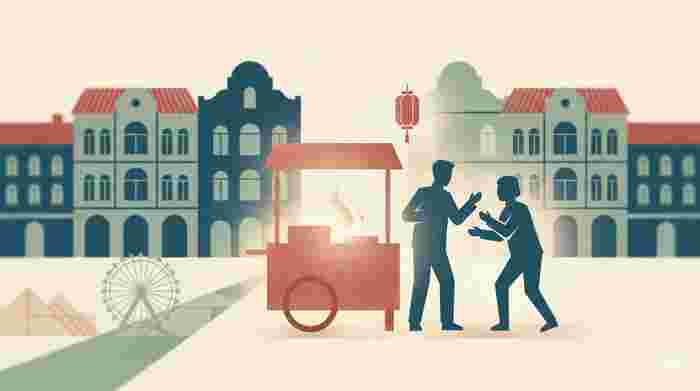
Turn a corner and you'll find a grandmother selling handmade rice noodles from a cart using the same
转过街角,你会发现一位老奶奶从小推车上售卖手工米粉,使用的是
recipe her family has used for generations.
她家族世代使用的食谱。
Guizhong doesn't force you to choose between old and new.
贵中不会强迫你在新与旧之间做出选择。
It embraces both.
它包容两者。
And that's what makes it so special.
正是这一点让它如此特别。
That's such a beautiful way to put it.
这样表达真是太美好了。
You know, I think Guiyong is one of those places that deserves way more attention than it gets.
你知道,我觉得贵阳是那些值得获得更多关注的地方之一。
It's got history, incredible food, living ethnic cultures, stunning natural scenery, and this
它拥有历史、绝妙的美食、活态的民族文化、令人惊叹的自然风光,以及
unexpected modern side.
这种意想不到的现代一面。
Nathan, before we wrap up, if someone is planning their first trip to Guiyong, what's your number
内森,在我们结束之前,如果有人在计划他们的第一次贵阳之旅,你最
one piece of advice?
最重要的一个建议是什么?
I'd say go with an open mind and an empty stomach.
我会说,带着开放的心态和空空的肚皮去吧。
Don't plan every minute.
不要安排每一分钟。
Wander through the old neighborhoods, sit in a tea house, talk to the locals.
在老街区漫步,坐在茶馆里,与当地人聊天。
And please, please try the sour soup fish.
请务必尝尝酸汤鱼。
If you give Guiyong a chance, it will surprise you in the best way possible.
如果你给贵阳一个机会,它会以尽可能最好的方式给你带来惊喜。
I love that.
我喜欢这个建议。
Go with an open mind and an empty stomach.
带着开放的心态和空空的肚皮去。
Perfect advice.
完美的建议。
Nathan, thank you so much for sharing your stories and your knowledge with us today.
内森,非常感谢你今天与我们分享你的故事和知识。
This has been such a wonderful conversation.
这真是一场精彩的对话。
Thank you, Olivia.
谢谢你,奥利维亚。
It was a pleasure.
这是我的荣幸。
Guiyong is a city that's very close to my heart, and I hope our listeners feel inspired to explore
贵阳是一座非常贴近我心灵的城市,我希望我们的听众能受到启发去探索
it someday.
有朝一日去探索它。
I'm sure they will.
我确信他们会的。
Now, before we go, I have a fun question for all of you listening.
现在,在我们结束之前,我有一个有趣的问题想问所有正在收听的大家。
We talked about how Guizhou cuisine is famous for being sour and spicy.
我们谈到了贵州菜系如何以酸辣闻名。
But can you name another region or country in the world that is also famous for using sour flavors
但你能说出世界上另一个也以在烹饪中使用酸风味而闻名的地区或国家吗?
in its cooking?
在它的烹饪中?
Think about it and write your answer in the comments section below.
思考一下,并在下方的评论区写下你的答案。
Or you can check out what other listeners have said.
或者你可以看看其他听众说了什么。
I'd love to see what you come up with.
我非常想看看你们能想出什么。
That's it for today's episode of TalkCast Discovery.
以上就是今天这集《TalkCast Discovery》的全部内容。
If you enjoyed this episode, please subscribe and share TalkCast with your friends.
如果你喜欢本集节目,请订阅并与你的朋友分享 TalkCast。
We truly appreciate all your kind feedback and support.
我们真心感谢大家的所有善意反馈与支持。
It keeps us going.
这支撑着我们不断前行。
A quick reminder.
一个简短的提醒。
The English transcript of this episode and others in this series will be published regularly on the
本期及本系列其他单集的英文逐字稿将定期发布在
TalkCast official WeChat account.
TalkCast 官方微信公众号上。
So head over there if you'd like to read along.
因此,如果您想边听边读,请前往关注。
And finally, I'd love to hear from you.
最后,我也非常想听到您的声音。
Leave a comment telling us which place or topic you'd like us to explore next.
请留言告诉我们您希望我们接下来探索哪个地方或主题。
Your suggestions help us shape future episodes.
您的建议能帮助我们塑造未来的节目内容。
Until next time, keep exploring, keep learning, and keep discovering.
下期见,保持探索,保持学习,不断发现。
See you soon.
我们很快再见。
Thank you.
感谢您。