Interactive transcript · 177 lines
Good morning, everyone.
大家早上好。
Welcome to TalkCast, your daily early morning science digest.
欢迎收听 TalkCast,您的每日清晨科学文摘。
I am Thomas, your lead anchor for today.
我是托马斯,您今天的主力主播。
And a very warm, bright morning to you all.
祝大家度过一个非常温暖、明媚的早晨。
I am Olivia, your co -host and commentary partner.
我是奥利维亚,您的联合主持人和评论搭档。
It is September 12th, 2026, and we are so excited to bring you another day of incredible discoveries.
今天是2026年9月12日,我们非常高兴能为您带来又一天令人难以置信的发现。
That is right.
一点没错。
Whether you are drinking your first cup of coffee or heading out for your morning jog, we have got
无论您是在喝今天的第一杯咖啡,还是准备出门晨慢跑,我们都已经准备好了
some spectacular stories to kickstart your brain.
一些精彩的故事来激发您的脑活力。
Before we preview today's headlines, we want to share a massive thank you with our TalkCast members.
在预览今天的头条新闻之前,我们要向 TalkCast 的会员们表达由衷的感谢。
Your support keeps us going, allowing us to research, write, and produce this podcast every day. Absolutely.
您的支持是我们前行的动力,使我们能够每天研究、撰写和制作这档播客。绝对如此。
Your generosity means the world to us.
您的慷慨对我们来说意味着一切。
If you are not a member yet, please consider joining our TalkCast community.
如果您还不是会员,请考虑加入我们的 TalkCast 社区。
Your support ensures we can continue making high -quality episodes for learners worldwide.
您的支持确保了我们能够继续为全球学习者制作高质量的节目。
Yes, please do join.
是的,请务必加入我们。
Now, Tamas, what do we have in our science basket this morning?
现在,塔马斯,今天早上我们的科学篮子里有什么?
Today, we have got some truly mind -bending stories.
今天,我们有一些真正令人脑洞大开的故事。
First, we are looking at superionic ice.
首先,我们来看看超离子冰。
Scientists have created hot, metallic ice that stays solid at over 2 ,000 degrees Celsius.
科学家们创造出了灼热的金属态冰,它在摄氏2000度以上仍能保持固态。
Hot ice?
热冰?
That sounds like a complete paradox.
听起来这完全是一个悖论。
I cannot wait to hear how that works.
我等不及想听听它是如何运作的了。
Then, we'll discuss a brilliant 14 -year -old in New York who has used origami to design ultra -strong,
然后,我们将讨论纽约一位聪明的14岁少年,他利用折纸艺术设计出了超强的、
flat -packed disaster shelters that can hold 9 ,000 times their own weight. Origami?
平整包装的灾害避难所,承受的重量可达自身重量的9000倍。折纸?
That's the art of paper folding, right? Incredible.
那是纸张折叠的艺术,对吧?太不可思议了。
And finally, we'll visit northern China, where geologists searching for copper drilled nearly 500
最后,我们将前往中国北方,寻找铜矿的地质学家在那里钻探了近500
meters underground and struck a prehistoric jackpot.
米深的地底,并挖到了史前的宝藏。
Plus, we have our quickfire round, featuring learning bacteria, a shifted prime meridian, and simple
此外,我们还有快问快答环节,特色内容包括会学习的细菌、偏移的本初子午线,以及简单的
tree branches turned into high -tech water filters.
树枝变身成为高科技水过滤器。
Let us dive in.
让我们深入探讨吧。
Let's start with our big story.
让我们从头条新闻开始。
In physics, we are taught that ice melts when it gets hot.
在物理学中,我们被教导冰变热时会融化。
But scientists have successfully recreated a bizarre, extreme state of matter known as superionic
但科学家们成功重现了一种被称为超离子的奇异、极端物质状态
ice, or ICE 18.
冰,即冰18。
Hold on, Tamas.
等等,塔马斯。
Superionic ice?
超离子冰?
That sounds like a fancy sci -fi weapon.
听起来像是一种酷炫的科幻武器。
What is it exactly?
它究竟是什么?
Well, to understand it, we have to look at Uranus and Neptune.
嗯,要理解它,我们得看看天王星和海王星。
Deep inside these giant ice planets, the pressures are millions of times greater than on Earth, and
在这些巨大的冰行星内部深处,压力是地球上的数百万倍,而且
the temperatures are scorching hot.
温度极其灼热。
Under these extreme conditions, water does not act like the ice in your freezer.
在这些极端条件下,水的表现并不像你冷冻室里的冰。
So, what happens to the water?
那么,水会发生什么变化?
The intense pressure forces the oxygen atoms to lock tightly into a solid crystalline grid.
强烈的压力迫使氧原子紧密锁定在一个固态晶体网格中。
But because the temperature is so incredibly high, the hydrogen atoms inside the water molecules
但由于温度高得不可思议,水分子内部的氢原子
break free.
挣脱束缚。
They start flowing through this solid oxygen grid like a liquid. Wow.
它们开始像液体一样穿过这个固态氧网格流动。哇。
So it's half solid, half liquid? Exactly.
所以它半是固态,半是液态?完全正确。
It's a solid crystal that conducts electricity just like a liquid metal.
它是一种固态晶体,能像液态金属一样导电。
In fact, scientists on Earth just managed to recreate the state in a laboratory by blasting liquid
事实上,地球上的科学家刚刚通过轰炸液体,成功在实验室里重现了这种状态
water with powerful lasers and shockwaves, keeping it solid at over 2 ,000 degrees Celsius.
利用强大的激光和冲击波处理水,使其在超过2000摄氏度的高温下保持固态。
2 ,000 degrees?
2000度?
That's hot enough to melt steel, yet this ice remains solid.
这足以熔化钢铁,然而这种冰依然保持固态。
Can you give me a metaphor to help visualize this?
你能给我打个比喻来帮助形象化理解吗?
Think of a giant bath sponge.
想象一下一块巨大的洗澡海绵。
The sponge itself is solid, representing the locked oxygen grid.
海绵本身是固态的,代表着被锁定的氧原子网络。
Now, imagine water flowing rapidly through the holes of that sponge.
现在,想象水迅速穿过海绵的孔洞。
The flowing water represents the free -roaming hydrogen ions.
流动的水代表自由游动的氢离子。
Because those hydrogen ions are charged and moving, they create electric currents.
因为这些氢离子是带电且移动的,它们创造了电流。
Ah, I get it now.
啊,我完全明白了。
The sponge is solid, but the inside is flowing.
海绵是固态的,但内部是流动的。
That's why Uranus and Neptune have such chaotic, tilted magnetic fields.
这就是为什么天王星和海王星拥有如此混乱且倾斜的磁场。
It's because of this churning, conductive superionic ice deep inside them.
这是因为它们深处存在着这种剧烈翻腾的、导电的超离子冰。
Spot on, Olivia.
完全准确,奥利维亚。
It's amazing how recreating this ice on Earth helps us solve cosmic mysteries billions of miles away.
在地球上重现这种冰能帮助我们解开数亿英里之外的宇宙奥秘,这太神奇了。
Now, let's bring our focus back to Earth and look at an incredible engineering breakthrough.
现在,让我们把焦点带回地球,看看一项令人难以置信的工程突破。
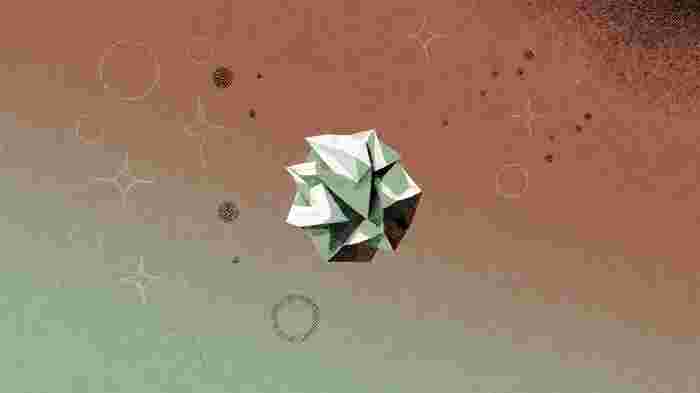
A 14 -year -old student in New York has developed a revolutionary new design for disaster shelters
纽约一名14岁的学生为灾难庇护所开发出了一种革命性的新设计
using origami. Origami?
使用了折纸。折纸?
Like folding paper cranes?
像折纸鹤那样吗?
How can folded paper protect someone in a disaster?
折叠的纸如何在灾难中保护人类呢?
Well, it's not actually made of paper, but it uses the mathematical principles of origami crease patterns.
嗯,它实际上不是用纸做的,而是利用了折纸折痕模式的数学原理。
The young designer folded 54 variations of a specific crease pattern using plastic sheets.
这位年轻的设计师用塑料板折出了某种特定折痕模式的54种变体。
To test their strength, he literally stacked heavy metal dumbbells on top of them.
为了测试它们的强度,他真的在上面堆叠了沉重的金属哑铃。
That's a very practical laboratory test.
那是非常实用的实验室测试。
How did the folds perform?
这些折痕结构的表现如何?
The winning fold was able to support more than 9 ,000 times its own weight before collapsing.
获胜的折痕结构在塌陷前能够承载超过其自身重量9000倍的重量。
Because of this incredible strength -to -weight ratio, the design is being adapted for flat -pack
由于这种令人难以置信的强度重量比,该设计正在被改造用于平板包装
disaster shelters.
灾难庇护所。
Let me guess.
让我猜猜。
Flat -pack means they can be shipped completely flat, saving massive amounts of space on cargo
平板包装意味着它们可以完全平整地运输,在货运飞机上节省海量的空间
planes, and then popped open instantly when they arrive in a disaster zone.
然后在到达灾区时能够立刻展开。
Yes, precisely.
是的,确切如此。
It is a brilliant combination of math, art, and humanitarian aid.
这是数学、艺术和人道主义援助的绝妙结合。
When a natural disaster strikes, getting heavy building materials to the scene is incredibly difficult.
当自然灾害来袭时,将沉重的建筑材料运到现场是极其困难的。
These lightweight origami structures can be deployed in minutes, providing immediate, sturdy shelter.
这些轻量级的折纸结构可以在几分钟内被部署完成,提供即时、坚固的庇护。
That is wonderful.
那真是绝妙。
It shows that great scientific ideas do not just come from university laboratories.
这表明伟大的科学设想不仅仅来自大学实验室。
They can start on a bedroom floor with a piece of folded plastic and a dumbbell.
它们可以始于卧室地板上的一块折叠塑料和一只哑铃。
It really does.
确实如此。
Now, let us move to northern China for a story of pure astronomical luck.
现在,让我们把视线转向中国北方,听一个纯粹是天文数字般幸运的故事。
Geologists drilling deep underground in Inner Mongolia made a shocking discovery.
在内蒙古地下深处进行钻探的地质学家们有了惊人的发现。
I love a good mystery.
我喜欢精彩的谜团故事。
What were they looking for, and what did they actually find?
他们当时在寻找什么,而他们实际上又发现了什么?
The geologists were searching for copper deposits.
地质学家们当时正在寻找铜矿藏。
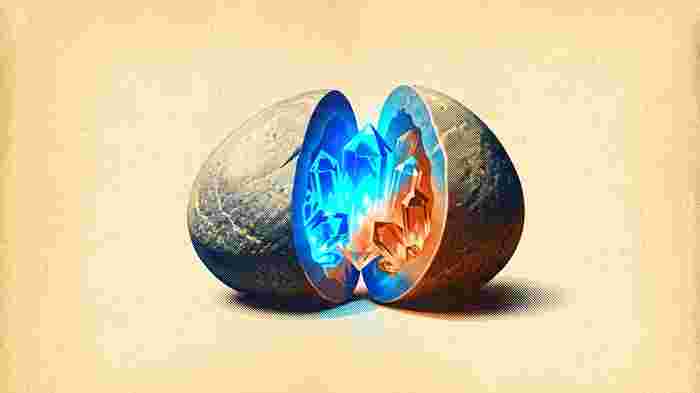
To do this, they use a massive machine to drill deep into the earth and extract what is called a
为了做到这一点,他们使用大型机器深入地下钻探并提取所谓的
drill core.
钻孔岩芯。
Wait, can you explain what a drill core is? Sure.
等等,你能解释一下什么是钻芯吗?当然可以。
Imagine pushing a hollow metal straw deep into a layered cake and pulling it back out.
想象一下将一根中空的金属吸管深插入多层蛋糕中,然后再把它拔出来。
The cylinder of cake inside the straw shows you all the layers.
吸管内部的蛋糕圆柱体会展示出所有的层次。
That is a drill core.
这就是钻孔岩芯。
It is a long, narrow cylinder of rock, usually only a few inches wide.
那是一根又长又窄的岩石圆柱体,通常只有几英寸宽。
Okay, that makes sense.
好的,那听起来很有道理。
So they pulled up this narrow rock cylinder from deep underground.
所以他们从地下深处拉出了这个狭窄的岩石圆柱体。
And what was inside it?
那里面有什么?
At a depth of 473 meters, which is over 1 ,500 feet, they found a beautifully preserved dinosaur
在 473 米(超过 1500 英尺)的深度,他们发现了一头保存完好的恐龙
fossil dating back 115 million years.
追溯到 1.15 亿年前的化石。
That is insane.
那太疯狂了。
They hit a dinosaur skeleton with a tiny metal straw from 1 ,500 feet above? Yes.
他们从 1500 英尺的高空用一根微型金属管击中了恐龙骨架?是的。
The chances of hitting a dinosaur fossil using a narrow drill bit at that depth are practically zero.
在那个深度用狭窄的钻头击中恐龙化石的概率几乎为零。
It is an extraordinary stroke of luck.
这真是非凡的幸运。
Usually, paleontologists find fossils near the surface, where the wind and rain have eroded the soil.
通常,古生物学家会在地表附近发现化石,那里的风雨已经侵蚀了土壤。
Finding one deep underground in a copper exploration drill is virtually unheard of.
在铜矿勘探钻探中深入地下发现化石简直是前所未闻。
It is like dropping a pin from an airplane and hitting a specific beetle on the ground.
这就像从飞机上掉下一根针,正好击中地面上的某只甲虫。
This fossil must be incredibly precious.
这块化石一定极其珍贵。
It is.
确实如此。
It gives scientists a rare, undisturbed look at the environment of ancient China during the
它让科学家们得以罕见地观察中国古代在……期间未受干扰的环境
Cretaceous period.
白垩纪时期。
Truly historic.
确实具有历史意义。
Now, let us move to our quickfire round.
现在,让我们进入快问快答环节。
Olivia, did you know that bacteria can remember things, even though they don't have brains? Wait.
奥利维亚,你知道吗,细菌即使没有大脑也能记住事情?等等。
Learning without a brain?
没有大脑也能学习?
That sounds impossible.
这听起来不可能。
How do they store information?
它们是如何存储信息的?
Scientists found that single -celled bacteria can store memories and learn from past experiences by
科学家发现单细胞细菌可以存储记忆,并从过去的经历中学习,通过
adjusting chemical pathways.
调整化学路径。
It works almost exactly like an artificial neural network in computer science.
它的工作原理几乎与计算机科学中的人工神经网络完全相同。
That is wild.
这太不可思议了。
It means our advanced AI technology actually mimics the simplest organisms on Earth?
这意味着我们先进的 AI 技术实际上模仿了地球上最简单的生物?
What is next?
下一个是什么?
Next, if you have ever visited the Royal Observatory in Greenwich, London, and stood on the famous
接下来,如果你曾参观过伦敦格林威治的皇家天文台,并站在著名的
brass line representing zero longitude, I have some bad news.
代表零度经度的黄铜线上,我有坏消息要告诉你。
You were in the wrong place.
你站在了错误的地方。
Oh no.
哦不。
Is the prime meridian moving?
本初子午线在移动吗?
It already did.
它已经移动了。
When the world switched to satellite positioning, or GPS, scientists realized that zero longitude
当世界切换到卫星定位(即 GPS)时,科学家们意识到零度经度
actually lies about 100 meters east of the historic brass line.
实际上位于这条历史性的黄铜线以东约 100 米处。
Well, I guess millions of tourists will have to take their photos slightly to the right from now on.
好吧,我猜从现在开始数以百万计的游客必须稍微向右移动一点拍照了。
What is our final quickfire story?
我们最后的快问快答故事是什么?
Finally, engineers at MIT have created low -cost, highly effective water filters using simple slices
最后,麻省理工学院的工程师利用简单的薄片创造了低成本、高效率的水过滤器
of tree branches.
用树枝切成。
Tree branches?
树枝?
How can a piece of wood filter water?
一块木头怎么能过滤水?
Plants have a natural transport tissue called xylem, which consists of tiny microscopic pores.
植物有一种叫做木质部的天然输送组织,由极小的微观孔隙组成。
When water passes through these pores, they naturally filter out more than 99 % of harmful E.
当水穿过这些孔隙时,它们会自然过滤掉 99% 以上的有害大肠杆
coli bacteria.
菌细菌。
This could provide a lifesaver for communities without access to expensive filtration systems.
这可以为无法获得昂贵过滤系统的社区提供一个救星。
That is brilliant.
那太绝妙了。
Nature provides the filter, and we just have to slice it.
大自然提供了过滤器,我们只需要把它切片。
It is a beautiful, low -tech solution.
这是一个完美的低科技解决方案。
And that brings us to the end of today's morning edition of TalkCast.
今天的 TalkCast 早间版到这里就结束了。
We have journeyed from the superionic ice of Neptune to origami disaster shelters, deep -earth
我们从海王星的超离子冰,一路探索到折纸避难所、地底
dinosaurs, remembering bacteria, shifted meridians, and wooden water filters.
恐龙、具备记忆力的细菌、偏移的子午线,以及木质水过滤器。
What a fantastic journey to start our day.
开启新的一天是多么美妙的一段旅程啊。
Now we have a fun and open -ended question for our listeners.
现在我们为听众准备了一个有趣且开放式的问题。
If you could design any daily object using the principles of origami, what would it be, and how
如果你能利用折纸原理设计任何日常用品,它会是什么,又会如何
would it make your life easier?
让你的生活变得更加轻松?
That is a wonderful question.
那真是个绝妙的问题。
Please write down your creative answers in the comments section below, or check out what our other
请在下方评论区写下你充满创意的回答,或者看看其他
listeners have shared.
听众们分享的内容。
We always love reading your ideas.
我们总是非常喜欢阅读大家的想法。
Yes, please do share.
是的,请务必与我们分享。
If you enjoyed today's episode, don't forget to subscribe to TalkCast, share it with your friends,
如果你喜欢今天的这期节目,别忘了订阅 TalkCast,并分享给你的朋友们,
and leave us a review on your favorite podcast platform.
并在你最喜欢的播客平台上给我们留下一条评价。
A friendly reminder for our language learners, the full English script and audio of this broadcast
给语言学习者们一个温馨提示,本次广播的完整英文文稿和音频
are published regularly on our website, www .talkcast .top, as well as on our official WeChat public
都会定期发布在我们的网站 www.talkcast.top,以及我们的微信官方
account, TalkCast.
账号 TalkCast 上。
It is the perfect tool to practice your reading and listening skills.
这是练习阅读和听力技能的绝佳工具。
Thank you all so much for tuning in this morning.
非常感谢大家今天早晨的收听。
Have a wonderful, curious day.
祝大家度过美好而充满好奇的一天。
And we will see you next time.
我们下次再见。
Goodbye, everyone.
大家再见。
Keep exploring.
保持探索。
Bye, everyone.
大家再见。
Bye, everyone.
大家再见。
Bye, remember.
再见,记得关注。
Bye, and we'll be hearing.
再见,期待再次听见大家的声音。