Interactive transcript · 168 lines
Welcome back to TalkCast, wander off the map into the world.
欢迎回到 TalkCast,让我们一起漫步出地图,走向世界。
I'm your host, Emma.
我是你的主持人,Emma。
You know, there's an old saying that goes, to understand a culture, you must taste its winter.
你知道,有句老话是这么说的,要了解一种文化,你必须品尝它的冬天。
OK, I might have just made that up, but today's episode proves exactly that.
好吧,这可能是我编的,但今天的这一集节目恰恰证明了这一点。
We are journeying to the freezing snow -covered landscapes of Northeast China, a region known as
我们将前往中国东北冰天雪地的景观地带,这个地区被称为
Dongbei.
东北。
And we are going to explore the soul of this region through a single legendary dish, suan sai dun
我们将通过一道传奇菜肴——酸菜炖,来探索这个地区的灵魂
fen tiao, to help us unpack this steaming bowl of history.
粉条,来帮我们解读这碗热气腾腾的历史。
I'm thrilled to welcome David.
我非常激动地欢迎 David。
He is a cultural anthropologist and the author of Tastes of the Frost, Food and Culture in Northeast
他是一位文化人类学家,也是《霜之味:中国东北的饮食与文化》的作者
China.
中国。
David, welcome to the show.
David,欢迎来到节目。
Thank you, Emma.
谢谢你,Emma。
I'm so excited to be here.
我非常兴奋能来到这里。
Just hearing the name of that dish makes me nostalgic.
一听到那道菜的名字就让我感到怀旧。
I read that you actually lived in rural Heilongjiang province for several years doing field
我读到你实际上在黑龙江农村地区生活了好几年,进行田野
research.
研究。
How did you first encounter this dish?
你是如何第一次邂逅这道菜的?
That's right.
没错(对的)。
I spent three winters in a small village near Harbin.
我在哈尔滨附近的一个小村庄度过了三个冬天。
The first time I tried suan sai dun fen tiao, which translates to pickled cabbage stew with glass
我第一次尝试酸菜炖粉条,翻译过来就是酸菜炖配上玻璃
noodles, was on a night when it was minus 30 degrees Celsius outside.
面条(粉条),那是在一个室外温度零下30摄氏度的夜晚。
I had just come in from a blinding snowstorm.
我刚从一场刺眼的暴风雪中走进来。
My eyelashes literally frozen together, and my host family handed me this steaming, bubbling bowl.
我的睫毛简直冻在了一起,房东一家递给我这碗热气腾腾、冒着泡的菜。
One bite and I understood everything about the local culture.
吃上一口,我就理解了当地文化的一切。
It's warm, hearty, and deeply comforting.
它温暖、丰盛,给人以深深的慰藉。
Oh, wow, minus 30?
哦,哇,零下 30 度?
I can't even imagine being out in that kind of cold.
我甚至无法想象待在那种寒冷的环境里。
Let's start right there with the extreme environment.
让我们就从那里的极端环境开始谈起吧。
Why is suan sai, this specific pickled cabbage, so fundamental to Northeast China?
为什么酸菜这种特殊的腌制白菜,对中国东北如此根本(重要)?
I mean, we see pickled and fermented foods in many different cultures around the world, but it seems
我的意思是,我们在世界各地许多不同的文化中都能看到腌制和发酵食品,但它似乎
to have a completely unique and special status in Dongbei.
在东北拥有完全独特且特殊的地位。
It really does.
它的的确确如此。
To understand suan sai, you have to first understand the intense geography and climate of the
要了解酸菜,你必须首先了解该地区剧烈的地理和气候
region.
地区。
Historically, winter in Dongbei lasts for almost half the year, from October all the way to April.
历史上,东北的冬天持续近半年,从十月一直持续到四月。
In the days before modern logistics, refrigeration, and greenhouse farming, absolutely nothing could
在现代物流、冷藏和温室耕作出现之前的日子里,绝对没有任何东西可以
grow outdoors during those freezing months.
在那些寒冷的月份里在户外生长。
If you wanted to survive the brutal winter and ensure you got your essential vitamins, you had to
如果你想在残酷的冬天生存下来并确保摄入必要的维生素,你必须
find a way to preserve the massive autumn harvest.
找到一种方法来保存大量的秋季收获。
So suan sai wasn't just a tasty side dish, it was quite literally a matter of life and death for the
所以酸菜不仅仅是一道美味的配菜,它对于那里的
people living there.
生活的人们来说,简直是关乎生死的大事。
A lifeline in a jar, that's fascinating.
坛子里的生命线,真是迷人(令人着迷)。
So how exactly is it made?
那么它究竟是怎么做的呢?
Is it like the sauerkraut we see in Europe?
它像我们在欧洲看到的酸菜吗?
There are similarities, yes, but dongbei suan sai is specifically made from napa cabbage, or daibai
有相似之处,是的,但东北酸菜是专门用大白菜,即 daibai 制作的
shi in Chinese.
用中文说就是 shi。
In late autumn, families buy hundreds of pounds of this cabbage.
深秋时节,各家各户会购买数百磅这种白菜。
The process is a natural lacto -fermentation technique.
这个过程是一种天然的乳酸发酵技术。
They pack the cabbages tightly into giant ceramic vats, sprinkle salt between the layers, fill it
他们把白菜紧紧地装进巨大的陶瓷缸里,在层与层之间撒上盐,装满它
with water, and then press it all down with a massive heavy stone.
加水,然后用一块巨大的沉重石头把它全部压下去。
What's amazing is that they don't add a single drop of vinegar.
令人惊讶的是,他们一滴醋都不加。
The sourness comes entirely from wild lactic acid bacteria, naturally present on the cabbage itself.
这种酸味完全来自野生乳酸菌,它们天然存在于白菜本身。
Wait, I have to ask, hundreds of pounds of cabbage per family?
等等,我得问一下,每家每户要几百斤白菜吗?
Where on earth do they put these giant vats?
他们到底把这些巨大的缸放在哪里?
It must take up so much space.
那一定占据了很多空间。
Laughing everywhere you can imagine.
在你所能想象到的任何地方(大笑)。
Traditionally, you would see these massive jars lined up in courtyards, front gardens, or in
传统上,你会看到这些巨大的坛子排列在院子里、前花园或者...
unheated corridors of apartment buildings.
公寓楼里没有暖气的走廊里。
In the past, and even today in rural areas, preparing tsuanchai was a huge communal event.
在过去,甚至在今天的农村地区,制作酸菜是一项巨大的集体活动。
Neighbors would help each other haul the heavy cabbages and those giant pressing stones.
邻居们会互相帮助搬运沉重的白菜和那些巨大的压石。
It was a social activity that signaled the changing of the seasons.
这是一项预示着季节更替的社交活动。
There's even a famous pop culture phrase from a hit Chinese TV show and song in 2001 called, Tui Hua
甚至还有一句著名的流行文化用语,出自2001年的一部热门中国电视剧和歌曲,叫做《翠花》
Shang Tsuanchai, which translates to, Tui Hua, serve the tsuanchai.
“上酸菜”,翻译过来就是“翠花,上酸菜”。
It became a national catchphrase, and it perfectly captures the lively, communal, and warm -hearted
它成了全国性的流行语,完美地捕捉到了那种活泼、集体且热心的
rustic vibe of the Dongbai region.
东北地区淳朴的氛围。
I love that, serve the tsuanchai.
我喜欢那个,“上”酸菜。
It sounds like it's deeply woven into their social fabric.
听起来它已经深深地织入了他们的社会结构中。
But let's dive into the dish itself, tsuanchai dung fen chow.
但让我们深入探讨这道菜本身,酸菜炖粉条。
Break it down for us, when you look at a bowl of it, what are you seeing, smelling, and tasting?
为我们详细分析一下,当你看着这一碗菜时,你看到了什么、闻到了什么、品尝到了什么?
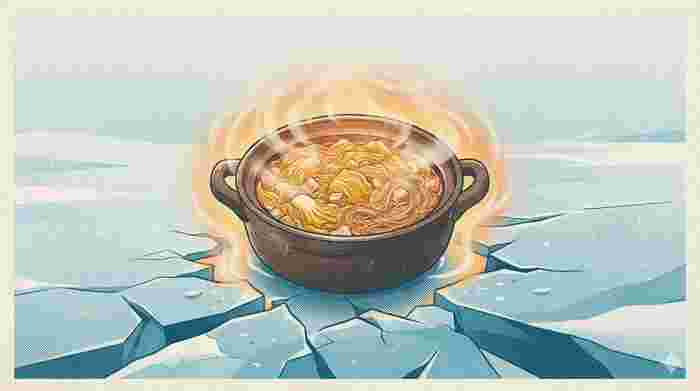
Picture this, you have a large cast iron pot bubbling and simmering away on a wood -fired stove.
想象一下这个场景:你有一个巨大的铸铁锅,在柴火灶上咕嘟咕嘟地炖着。
The base of the dish usually starts with thick slices of fatty pork belly.
这道菜的基础通常是从厚厚的肥猪五花肉开始的。
The heat slowly renders the fat down, and then you add the finely shredded tsuanchai.
热量慢慢地熬出油脂,然后加入切得细碎的酸菜。
Because of the pickling process, the cabbage has this beautiful, slightly translucent golden color.
因为腌制过程,白菜呈现出这种美丽的、略带半透明的金色。
As it stews, it acts like a sponge, absorbing all that savory, rich pork fat, while releasing its
炖的时候,它就像海绵一样,吸收了所有鲜美浓郁的猪油,同时释放出它
own tangy acid into the broth.
自身的强烈酸味进入汤中。
That sounds absolutely incredible.
听起来简直太棒了。
The way you describe the cooking process really makes me feel like I am standing right there in the
你描述烹饪过程的方式真的让我觉得我就站在...
kitchen.
厨房里。
And what about the fen chow?
那么粉条呢?
What exactly is that ingredient?
那到底是什么食材?
Right, we can't forget the fen chow.
对,我们不能忘记粉条。
Those are glass noodles made from sweet potato starch.
那些是用红薯淀粉做成的粉条。
Once stewed in the broth, they transform.
一旦在汤里炖过,它们就会发生变化。
They become thick, slightly transparent, chewy, and wonderfully bouncy.
它们变得厚实、微透明、有嚼劲,而且非常有弹性。
They're the ultimate vehicle for flavor, because they soak up the rich, soy sauce -based broth, the
它们是风味的终极载体,因为它们吸收了浓郁的酱油底汤,以及
intense umami from the pork belly, and that refreshing, mellow acidity of the pickled cabbage.
来自五花肉的浓郁鲜味,还有腌白菜那种清新醇厚的酸味。
Every bite of the noodles gives you a burst of the entire dish's flavor.
每一口粉条都会让你感受到整道菜风味的爆发。
It sounds like a perfect balance.
听起来是一个完美的平衡。
The bright acidity of the cabbage must really cut through the richness of the pork.
白菜鲜明的酸味一定能很好地化解猪肉的油腻。
Exactly.
没错。
If you just ate fatty pork belly, it would be way too heavy.
如果你只吃肥五花肉,那会太腻了。
But the lactic acid in suan chai gives it a piercing, yet remarkably rounded sourness.
但酸菜中的乳酸赋予了它一种锐利的、但又非常圆润的酸味。
It's not sharp like vinegar.
它不像醋那样刺鼻。
When you chew it, the cabbage still retains a surprising crisp crunch, even after being stewed for a
当你咀嚼它时,白菜仍然保留着令人惊讶的清脆口感,即使在炖了很长
long time.
时间之后。
The combination of the melt -in -the -mouth pork, the bouncy sweet potato noodles, and the crunchy sour
入口即化的猪肉、有弹性的红薯粉和脆酸的...结合...
cabbage is a true masterpiece of textures and flavors.
白菜是口感和风味的真正杰作。
I am literally getting hungry right now.
我真的现在就觉得饿了。
The way you describe it, the golden translucent cabbage and the chewy noodles, it really paints such
按照你的描述,金黄半透明的白菜和有嚼劲的粉条,它真的描绘出了一幅...
a vivid picture.
一幅生动的画面。
You mentioned that you call this dish the soul of Dongbei.
你提到你称这道菜为东北的灵魂。
Do you have a specific memory of eating it that stands out to you?
对于吃这道菜,你有没有什么让你印象深刻的特定的记忆?
Absolutely.
当然。
During my second winter there, the village was celebrating the Lunar New Year.
在那里的第二个冬天,村子里正在庆祝农历新年。
We were all gathered around a traditional heated brick bed, known as a kang.
我们都聚在一个传统的加热砖床周围,也就是所谓的炕。
We sat cross -legged, drinking strong local grain spirit called baijiu, and right in the center of
我们盘腿而坐,喝着当地强烈的谷物烈酒——白酒,就在正中间
the table was a massive pot of suan chai duan fen tiao.
桌子上放着巨大的一锅酸菜炖粉条。
The steam was rising and fogging up the windows.
蒸汽升腾,使窗户变得模糊。
The room was filled with laughter, the smell of garlic, pork, and that earthy sour tang.
房间里充满了笑声,大蒜、猪肉的味道,以及那种泥土般的酸味。
It wasn't just food.
这不仅仅是食物。
It was a profound feeling of warmth, family, and survival against the freezing wilderness outside.
这是一种关于温暖、家庭以及在郊外冰天雪地中生存下来的深刻的感受。
That makes so much sense.
那非常有道理。
It's like the food brings the community together as a shield against the cold.
就像食物将社区聚集在一起,作为抵御寒冷的屏障。
But what about today?
但今天呢?
You mentioned greenhouses and modern logistics earlier.
你之前提到了温室和现代物流。
Since people can now easily buy fresh vegetables all year round in supermarkets, has the tradition
既然现在人们可以很容易地在超市买到全年的新鲜蔬菜,那么制作酸菜的传统
of making and eating suan chai faded?
和吃酸菜的习惯是否已经淡去了?
That's a great question.
这是一个好问题。
You would naturally think it might disappear, right?
你自然会认为它可能会消失,对吧?
But surprisingly, it hasn't.
但令人惊讶地是,它并没有。
While it's true that fewer young people living in modern city apartments are fermenting hundreds of
虽然确实较少有住在现代城市公寓里的年轻人会发酵数百
pounds of cabbage in their living rooms, the cultural love for the flavor hasn't changed one bit.
磅卷心菜在他们的客厅里,但对这种风味的文化喜爱一点也没有改变。
So they just buy it from the grocery store now?
所以他们现在只是从杂货店买?
Yes, mostly.
是的,大部分是这样。
The suan chai industry has become highly standardized and commercialized.
酸菜产业已经变得高度标准化和商业化。
You can buy vacuum -sealed packs of authentic dongbei suan chai anywhere in China or even globally.
你可以在中国任何地方甚至全球买到真空密封包装的正宗的东北酸菜。
But for many locals, especially the older generation, making it at home is an unbreakable winter
但对于许多当地人,尤其是老一辈人来说,在家里制作酸菜是一个不可动摇的冬季
ritual.
仪式。
It's what we call terroir.
这就是我们所说的风土。
Basically, it means the unique character that the local environment, the local water, and the
基本上,它指的是当地环境、当地水源和
specific airborne microbes give to the food.
特定的空气传播微生物赋予食物的独特特征。
Many people swear that store -bought versions just can't replicate the complex, nostalgic taste of
许多人发誓,商店买的版本根本无法复制那种复杂的、怀旧的
their grandmother's homemade suan chai.
他们祖母自制的酸菜味道。
I completely understand that.
我完全理解这一点。
There is something truly magical about the time, effort, and specific environment that goes into a
投入到一份家庭神奇的食谱中的时间、精力和特定环境确实有某种魅力
family recipe.
家族食谱。
It's like eating a piece of home.
就像在品尝一份家的味道。
Precisely.
正是如此。
Today, suan chai duan fin tiao is no longer about strict physical survival.
今天,酸菜炖粉条不再仅仅是为了严苛的生理生存。
It's about cultural identity.
它关乎文化认同。
It reminds the people of Northeast China of their resilience, their history, and their deep
它提醒着东北人民他们的韧性、他们的历史,以及他们之间深厚的
connection to the land and to each other.
与土地及彼此之间的联系。
Whenever a dongbei native travels far from home, this is the dish they miss the most.
每当东北本地人远行他乡,这就是他们最思念的一道菜。
What a beautiful way to put it.
多么优美的表达方式。
It's amazing how a simple bowl of fermented cabbage, pork, and sweet potato noodles can hold so much
一碗简单的发酵卷心菜、猪肉和红薯粉条竟然能承载如此多的
history, emotion, and cultural weight.
历史、情感和文化分量,这太神奇了。
David, thank you so much for taking us on this sensory journey to Northeast China.
大卫,非常感谢你带我们开启这段前往中国东北的感官之旅。
I feel like I can almost smell the stew simmering right now.
我觉得我现在几乎能闻到那锅正在炖煮的炖菜香味。
My pleasure, Emma.
我的荣幸,艾玛。
Thank you so much for having me.
非常感谢邀请我。
And to our listeners, thank you for tuning in to this episode of TalkCast Wander, Off the Map, Into
各位听众朋友们,感谢收听本期《漫谈之旅:走出地图,走进》
the World.
这个世界。
Before we go, here's a quick quiz question for you based on today's chat.
在节目结束前,根据今天的聊天内容,为您准备了一个小测验。
What is the exact source of the sour flavor in dongbei suancai?
东北酸菜酸味的准确来源是什么?
Is it vinegar or something else?
是醋还是别的什么?
Please write your answers down in the comment section below or check out what other people have
请在下方的评论区写下您的答案,或者看看其他人已经
answered.
是如何回答的。
We always love seeing your responses.
我们一直很乐于看到您的回复。
Don't forget to subscribe and share TalkCast with your friends if you enjoyed our journey today.
如果您喜欢我们今天的旅程,请不要忘记订阅并与朋友分享 TalkCast。
We deeply appreciate all your enthusiastic feedback and support.
我们非常感谢您所有热情的反馈和支持。
Also, a quick reminder, the English transcripts for this series are regularly published on the
另外,温馨提醒,本系列的英文逐字稿会定期发布在
TalkCast official WeChat account, so please head over there if you need them for your listening
TalkCast 官方微信账号,如果您在听力中需要它们,请前往那里进行听力
practice.
练习。
Finally, please let us know in the comments which place or cultural topic you'd like us to explore
最后,请在评论中告诉我们您希望我们接下来探索哪个地方或文化话题
next.
下个目标。
We will choose our next episode's theme based on your suggestions.
我们将根据您的建议来选择下一期节目的主题。
Until next time, keep wandering and stay curious.
下次见,保持漫步,保持好奇。