Interactive transcript · 245 lines
Hello, and welcome to Talkcast Discovery, the podcast where we step off the map and dive deep into
您好,欢迎收听 Talkcast Discovery,这是一档带我们走下地图并深入探索的播客节目,
the heart of the world's most fascinating places.
探寻世界上最迷人之地的核心区域。
I am your host, Sarah.
我是你的主持人莎拉。
Before we begin today's journey, I want to share a very warm and heartfelt thank you to all of our
在开始今天的旅程之前,我想向我们所有的听众表达最温暖、最衷心的感谢,
Talkcast members.
献给 Talkcast 的会员们。
Your support keeps this show running and allows us to travel to these incredible destinations.
您的支持维持着本节目的运营,并使我们能够前往这些令人惊叹的目的地。
If you are not a member yet, please consider joining us.
如果您还不是会员,请考虑加入我们。
We really need your support to keep bringing you these deep cultural explorations.
我们真的非常需要您的支持,以便继续为您带来这些深度的文化探索。
Today, we are traveling to a city in central China that was once the largest, most prosperous
今天,我们要前往中国中部的一座城市,它曾是 11 世纪最庞大、最繁荣的
metropolis on earth during the 11th century.
地球上的大都市。
It is a place of deep history, poetry, and unbelievable resilience.
这是一个历史悠久、富有诗意且拥有不可思议之韧性的地方。
We are talking about the ancient capital of Kaifeng, located in Henan province.
我们聊的就是位于河南省的古老古都开封。
To help us explore this incredible city, I am joined by David, a historical geographer and travel
为了帮助我们探索这座难以置信的城市,我们邀请到了大卫,他是一位历史地理学家兼旅游
writer who lived and worked in Kaifeng for three years while researching ancient urban planning.
作家,他曾在研究古代城市规划期间在开封生活和工作了三年。
David, welcome to the show.
大卫,欢迎来到节目。
Thank you, Sarah.
感谢你,莎拉。
It is absolutely wonderful to be here.
能来到这里绝对太棒了。
I am so excited to talk about Kaifeng.
能探讨开封,我感到非常兴奋。
You know, even though I have traveled all over China and the world, Kaifeng is a very special,
你知道,尽管我游历过全中国和全世界,但开封是一个非常特别、
almost magical place in my heart.
在我心中近乎神奇的地方。
It is not like Beijing or Shanghai with their giant skyscrapers and fast pace.
它不像北京或上海那样有着庞大的摩天大楼和快节奏。
Kaifeng has this wonderful, slow, and historic rhythm.
开封有着这种美妙、缓慢且富有历史感的节奏。
When you walk down its streets, you can almost feel the presence of the poets, painters, and
当你走在它的街道上,你几乎能感受到千年前诗人们、画家们以及
emperors from a thousand years ago.
皇帝们的存在。
It is a city where history is not just in a museum.
这是一座历史不仅仅保存在博物馆里的城市。
It is right there under your feet.
它就在你的脚下。
Right under your feet.
就在你的脚底下。
That is actually a very literal description when it comes to Kaifeng, isn't it?
说到开封,这其实是一个非常字面上的描述,不是吗?
I have read about this mind -blowing archaeological phenomenon called city upon city, or Cheng Lo
我读过关于这种令人震惊的考古学现象,被称为“城摞城”,或者汉语里的“城摞
Cheng in Chinese.
城”(Cheng Lo Cheng 的中文)。
Can you explain that to our listeners?
你能为我们的听众解释一下吗?
It sounds like something out of a fantasy novel.
这听起来像是奇幻小说里的内容。
It really does.
确实如此。
It is one of the most incredible geological and historical wonders in the world.
这是世界上最不可思议的地质与历史奇观之一。
Because of Kaifeng's location near the Yellow River, the city was flooded multiple times over
由于开封靠近黄河的地理位置,这座城市曾多次被淹没
thousands of years.
在数千年间。
The river carried an immense amount of yellow silt and mud.
这条河流携带了巨大数量的黄色泥沙和淤泥。
Every time a major flood hit the city, it would bury the existing streets and buildings.
每当特大洪水袭击这座城市,它就会掩埋现有的街道和建筑。
But instead of abandoning the site, the people would return, clear the mud, and build a brand new
但人们并没有放弃这个地方,而是重新回来,清理泥沙,并建造一座全新的
city directly on top of the old one.
直接盖在旧城之上的城市。
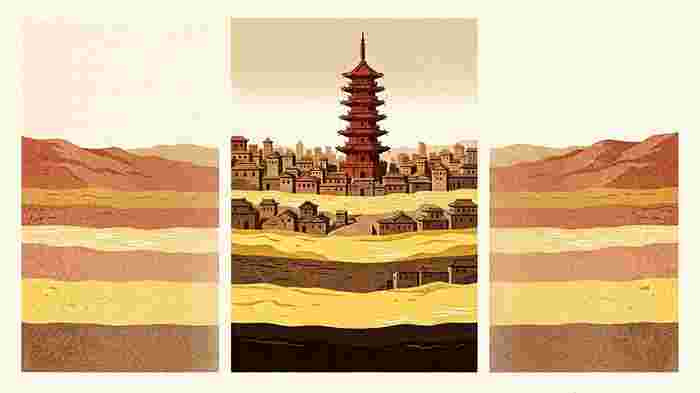
Today, archaeologists have discovered that there are actually six different cities stacked
如今,考古学家发现,实际上有六座不同的城市堆叠
vertically beneath the modern streets of Kaifeng.
垂直地埋在开封现代街道之下。
It's like a giant historical layer cake.
这就像一个巨大的历史千层蛋糕。
That is absolutely mind -blowing.
这绝对令人震撼。
Six cities?
六座城市?
So if we were to dig straight down beneath our feet in Kaifeng, what would we find? Exactly.
所以如果我们从开封脚下方垂直向下挖,我们会发现什么?正是如此。
If you dig down, you will pass through different dynasties.
如果你往下挖,你将穿过不同的朝代。
Just about three meters down, you find the ruins of the Qing Dynasty city.
大约往下三米,你就会发现清代城市的遗址。
Go down about five to six meters, and you reach the Ming Dynasty.
往下大约五到六米,你就会到达明代层。
Keep going down to about 10 to 12 meters, and you are standing on the streets of Benjing, the
继续往下挖到大约10到12米,你就站在了汴京的街道上,即
glorious capital of the Northern Song Dynasty from a thousand years ago.
一千年前北宋辉煌的帝都。
Below that, there are even older cities from the Tang Dynasty in the Warring States period.
在其下方,甚至还有来自唐朝和战国时期更古老的城市。
When I was living there, I visited some archaeological dig sites, and seeing the old city gates and
当住在那里时,我参观了一些考古发掘现场,看到古老的城门以及
paved roads buried deep underground was a deeply humbling experience.
深埋地下的铺石道路,是一次让人深感肃然起敬的体验。
It shows the incredible resilience of the local people.
这展现了当地人民令人难以置信的韧性。
No matter how many times the river washed their home away, they always rebuild.
无论洪水多少次冲毁家园,他们总会重建。
The resilience of the human spirit is just amazing.
人类精神的韧性真是令人惊叹。
And you mentioned Bianjing, the Northern Song Dynasty capital.
你刚才提及了北宋首都汴京。
That was really the golden age of Kaifeng, wasn't it?
那真是开封的黄金时代,不是吗?
I think many of our listeners might have heard of the famous scroll painting along the river during
我想我们的许多听众可能听说过那幅著名的清明上河画卷
the Klingman Festival.
清明节。
It depicts Kaifeng during that time.
它描绘了那个时代的开封。
What was life like in the city back then?
当时的城市生活是什么样的?
Oh, it was a spectacular time.
哦,那是一个极其壮丽的时代。
In the 11th century, Bianjing was the center of the world, with a population of over one million people.
在11世纪,汴京是世界的中心,人口超过了一百万。
To give you some context, London and Paris at that time were just small towns in comparison.
为了给你提供一些背景参考,当时的伦敦和巴黎相较之下不过是小镇。
The scroll painting you mentioned, which was painted by Zhang Ziduan, shows a highly detailed,
你提到的那幅由张择端所作的画卷,展现了极其细致的
bustling panorama of the city.
城市繁华的全景。
You see merchants, monks, fortune tellers, camels carrying silk, and ships navigating the busy canals.
你可以看到商人、僧侣、算命先生、驮着丝绸的骆驼,以及在繁忙运河中航行的船只。
But what really made Song Dynasty Kaifeng unique was its social life.
但真正让宋代开封独一无二的是它的社会生活。
Before the Song Dynasty, Chinese cities had a strict curfew system.
在宋朝之前,中国的城市有着严格的宵禁制度。
The gates of residential areas were locked at night, and you could not go out.
住宅区的门在晚上会被锁上,你无法出门。
But in Kaifeng, they abolished the curfew.
但在开封,他们废除了宵禁。
The city came alive at night.
这座城市在夜间焕发生机。
Oh, wow.
哦,哇。
So Kaifeng was basically the original city that never sleeps?
所以开封基本上就是最早的不夜城?
I can only imagine how exciting that must have been for travelers and locals alike. Absolutely.
我只能想象那对游客和当地人来说该有多令人兴奋。确实如此。
It was vibrant and filled with energy.
它充满活力,洋溢着生机。
There were markets open 24 hours a day, theater houses, tea shops, and street performers.
那里有全天24小时营业的集市、戏院、茶馆和街头艺人。
People from all over the world, including Persia, Korea, and Japan, came to trade and study.
来自世界各地的人们,包括波斯、朝鲜和日本,都来这里进行贸易和学习。
This open, commercial, and lively atmosphere is actually what gave birth to China's famous night
这种开放、商业化且充满活力的氛围,正是孕育出中国著名的夜
market culture, which is still a huge part of Kaifeng today.
市文化的原因,而这至今仍是开封的重要组成部分。
I definitely want to talk about the night markets and the food.
我绝对想聊聊夜市和美食。
But first, let us look at some of the physical landmarks that we can still see today.
但首先,让我们看看今天依然能见到的一些实物地标。
If a traveler goes to Kaifeng, what is the one historical monument they absolutely cannot miss?
如果游客去开封,哪一个历史遗迹是他们绝对不能错过的?
Without a doubt, it is the Iron Pagoda, or Tieta.
毫无疑问,那就是铁塔(Tieta)。
Now, don't let the name fool you.
不过,别让这个名字愚弄了你。
It is not actually made of iron.
它实际上并不是用铁建造的。
It is a 13 -story Buddhist pagoda built in the year 1049.
这是一座建于公元1049年的13层佛塔。
It is called the Iron Pagoda because the glazed bricks used to build it have a dark, rusty brown
它被称为铁塔,是因为用于建造它的琉璃砖呈暗锈褐色
color that looks exactly like iron.
颜色看起来完全像铁一样。
When the sun shines on it, it has this beautiful metallic glow.
当阳光照在上面时,它会散发出美丽的金属光泽。
It stands at about 55 meters tall, and it has survived dozens of earthquakes, major floods, and wars
它高约55米,在其近千年的历史中挺过了数十次地震、特大洪水和战争
over its nearly 1 ,000 -year history.
在其近一千年的历史中。
It is a true survivor and a symbol of the city.
它是真正的幸存者,也是这座城市的象征。
That is beautiful.
那真是美妙。
A ceramic pagoda that looks like iron and stands as a symbol of survival.
一座外观像铁、象征着幸存的陶瓷宝塔。
When you get close to it, what are the details like?
当你走近它时,细节是什么样的?
Are there carvings on the bricks?
砖上有雕刻吗?
Yes, the detail is incredible.
是的,细节令人难以置信。
There are more than 50 different types of glazed bricks, and each one is carved with delicate figures.
这里有 50 多种不同类型的琉璃砖,每一块上都雕刻着精美的图案。
You can see images of sitting Buddhas, flying dancers, musicians, and lions.
你可以看到坐佛、飞天舞者、乐师和狮子的图案。
It is like an outdoor art gallery.
它就像一个户外艺术画廊。
There is also a narrow winding staircase inside.
里面还有一段狭窄的盘旋楼梯。
In the past, visitors could climb all the way to the top.
过去,游客可以一路攀登到塔顶。
As you climb, the steps get so narrow that you almost have to crawl.
越往上爬,台阶就越狭窄,你几乎不得不爬行前进。
But when you reach the top and look out over the city and the yellow river in the distance, the few
但是当你到达顶峰,远眺这座城市和远处的黄河时,那微小的
is breathtaking.
简直令人惊叹。
That sounds like an adventure in itself.
这听起来本身就是一场冒险。
Aside from the Iron Pagoda, another thing Kaifeng is famous for is its flowers, specifically the chrysanthemums.
除了铁塔,开封闻名的另一件事就是它的花卉,特别是菊花。
I hear there is a huge festival every year.
我听说每年这里都有一个盛大的节日。
Yes, the Kaifeng Chrysanthemum Festival in autumn is a spectacular sight.
是的,秋天的开封菊花节是一道壮观的风景。
Every October and November, the entire city is literally covered in millions of chrysanthemums.
每年十月和十一月,整个城市简直被数以百万计的菊花覆盖。
They are arranged in beautiful designs, shape -shifting into dragons, pagodas, and peacocks.
它们被摆放成美丽的造型,变换成龙、宝塔和孔雀的模样。
The connection between Kaifeng and chrysanthemums actually goes back to the Northern Song Dynasty.
开封与菊花之间的渊源实际上可以追溯到北宋时期。
The emperors loved these flowers because they symbolized longevity and noble character.
皇帝们热爱这些花,因为它们象征着长寿和高洁的品格。
Today, local growers have mastered the art of cultivating them.
如今,当地的花农已经掌握了培育菊花的艺术。
They have varieties that can produce thousands of blossoms on a single plant.
他们拥有的品种可以在单株植物上开出成千上万朵花。
The fragrance in the air during the festival is sweet and earthy.
节日期间,空气中的香味甜美而纯朴。
It is a wonderful time to visit.
这是一个绝妙的游览时机。
It sounds incredibly sensory.
听起来带来极其丰富的感官体验。
Now, David, while researching, you must have come across some of the lesser -known historical
现在,大卫,在研究时,你一定遇到过一些鲜为人知的历史
communities of Kaifeng.
开封的群体。
I have read about the Kaifeng Jews, which is a highly unusual and fascinating historical footnote.
我读过关于开封犹太人的资料,这是一个非常不寻常且引人入胜的历史脚注。
Can you tell us about them?
你能向我们讲述关于他们的事吗?
It is indeed a fascinating story.
这确实是一个引人入胜的故事。
During the Northern Song Dynasty, Jewish merchants traveling along the Silk Road arrived in Kaifeng.
在北宋时期,沿丝绸之路旅行的犹太商人来到了开封。
The Song Emperor welcomed them warmly and told them to keep their customs but to live in peace.
宋朝皇帝热情地欢迎了他们,并让他们保留自己的习俗,和平生活。
They built a beautiful synagogue in 1163, which combined Jewish and Chinese architectural styles.
他们于 1163 年建造了一座漂亮的犹太会堂,它结合了犹太和中国建筑风格。
Over the centuries, they fully integrated into Chinese society, taking Chinese surnames like Cao,
几个世纪以来,他们完全融入了中国社会,取了像曹这样的中国姓氏,
Li, and Xi.
李,和西。
While the original synagogue was destroyed by floods in the 19th century, their descendants still
虽然最初的犹太会堂在 19 世纪被洪水冲毁,但他们的后裔依然
live in Kaifeng today.
今天居住在开封。
They represent a very unique chapter of cultural exchange and tolerance in Chinese history.
他们代表了中国历史上文化交流与包容非常独特的一页。
That is a beautiful example of how welcoming the city was to different cultures.
这是一个美丽的例证,说明了这座城市对不同文化是多么热情包容。
Now, let us transition to something that I know all of our listeners are waiting for, the food.
现在,让我们过渡到我知道所有听众都在期待的话题——美食。
You mentioned that Kaifeng is the birthplace of the Chinese night market.
你提到开封是中国夜市的发源地。
If we were to walk into a Kaifeng night market tonight, what would we experience?
如果今晚我们走进开封夜市,我们会体验到什么?
Oh, Sarah, prepare your senses.
哦,莎拉,准备好你的感官体验吧。
The most famous night market is the Drum Tower Night Market, or Gu Lu Ye Shi.
最著名的夜市是鼓楼夜市,也就是 Gu Lu Ye Shi。
As soon as you step into the square, you are hit by a wave of heat, lights, and incredible smells.
只要你一踏入广场,就会迎面扑来热浪、灯光和难以置信的香味。
There are hundreds of brightly lit food carts lined up, with steam rising into the night air.
数以百计灯火通明的小吃车排成一排,蒸汽升腾在夜晚的空气中。
You hear the loud shouts of the vendors calling out to customers, the sizzling of meat on grills,
你能听到摊贩向顾客大声吆喝,烤肉在烤架上发出滋滋声,
and the laughter of families sitting at low tables.
以及坐在矮桌旁的家庭传来的笑声。
The energy is absolutely contagious.
这种活力绝对极具感染力。
It is loud, it is chaotic, but it is incredibly warm and welcoming.
这里声音喧闹,甚至有些混乱,但却极其温暖和包容。
I can almost smell the spices and see the steam.
我几乎能闻到香料的味道,看到升腾的蒸汽。
So what is the absolute must -try dish?
那么,什么是绝对必尝的菜肴呢?
What is the signature flavor of Kaifeng?
开封的招牌风味是什么?
The undisputed king of Kaifeng cuisine is the Kaifeng soup dumpling, known as guantang bao.
开封美食无可争议的王者是开封灌汤包。
Now, these are not just ordinary dumplings.
现在,这可不仅仅是普通的汤包。
They are a masterpiece of culinary art.
它们是烹饪艺术的杰作。
The skin is incredibly thin, almost translucent, yet it is strong enough to hold a generous amount
包子皮非常薄,几乎是半透明的,但它又足够结实,能包裹住大量的
of savory pork and a spoonful of rich hot broth inside.
咸香的猪肉馅和满满一勺浓郁的热汤。
When they are served in their bamboo steaming baskets, they look like delicate white chrysanthemums.
当它们盛在竹制蒸笼里端上来时,看着就像精致的白色菊花。
That sounds delicious, but also a bit dangerous.
这听起来很美味,但也有一点危险。
If there is hot soup inside a delicate dumpling, how do you eat it without burning your mouth or
如果精致的汤包里面有烫汤,你怎么吃才能既不烫嘴又不
making a huge mess?
弄得一团糟呢?
That is the golden question.
这正是最关键的问题。
Eating guantang bao is an art form, and there is actually a local rhyming guide on how to do it properly.
吃灌汤包是一门艺术,当地其实有一套顺口押韵的吃法指南。
In Chinese, they say, In English, that translates to, gently lift, move slowly, open a window first,
用中文说就是(先开窗,后喝汤…),翻译成英文就是,轻轻提,慢慢移,先开窗,
and then drink the soup.
然后再喝汤。
So what you do is, use your chopsticks to gently pick up the dumpling by the top knot.
所以步骤是,用筷子夹住汤包顶部的提手轻轻提起。
You lift it slowly into a deep spoon, then you bite a tiny hole in the side of the dough.
慢慢把它移到一个深汤匙里,然后从面皮侧面咬出一个小孔。
That is opening the window.
这就是所谓的‘开窗’。
Next, you gently tilt the dumpling and suck out the delicious, savory broth through the hole.
接下来,你轻轻倾斜汤包,通过小孔吸出鲜美浓郁的汤汁。
Once the hot soup is safely enjoyed, you dip the rest of the dumpling in black vinegar and eat it.
安全享用完热汤后,你把剩下的汤包蘸上黑醋吃掉。
It is an explosion of flavor and texture.
这是风味与口感的绝妙结合。
Gently lift, move slowly, open a window, and drink the soup.
轻轻提,慢慢移,先开窗,后喝汤。
I love that.
我喜欢这个。
It sounds like a lovely ritual.
这听起来像是一个可爱的仪式。
What other street food should we try while we are wandering through the market?
我们在市场里闲逛时,还应该尝尝其他什么街头小吃?
You should definitely try the spiced donkey meat, which is a local delicacy.
你一定要尝尝五香驴肉,那是当地的一道美味佳肴。
It is often served in a crispy, baked flatbread called xiaobing.
它通常夹在一种叫做烧饼的酥脆烤饼里。
The contrast between the warm, flaky bread and the savory, tender meat is fantastic.
温热酥脆的烧饼与咸香鲜嫩的肉之间的对比简直棒极了。
Another unique dish is the almond tea, or xingran cha.
另一道特色美食是杏仁茶,也就是杏仁茶。
It is not actually tea, but a sweet, thick soup made from almond powder and lotus root starch.
它其实不是茶,而是一种由杏仁粉和藕粉调制而成的浓稠甜汤。
It is topped with rose petals, peanuts, raisins, sesame seeds, and dried fruits.
上面撒有玫瑰花瓣、花生、葡萄干、芝麻和果干。
It is warm, sweet, and comforting, especially on a cool autumn night.
它温暖、甜蜜又治愈,尤其是在凉爽的秋夜。
And if you're feeling brave, you can try fried insects or spicy sheep tripe soup.
如果你足够勇敢,还可以尝试炸昆虫或香辣羊肚汤。
Well, I might stick to the almond tea and the soup dumplings for my first visit, but I love that
嗯,第一次游览我可能还是吃杏仁茶和灌汤包吧,不过我很喜欢
there is so much variety.
这里有如此丰富的多样性。
It seems like Kaifeng's food culture really reflects its history as a busy, ancient trading hub.
开封的饮食文化似乎真实地反映了它作为古代繁忙贸易中心的历史。
It really does.
确实如此。
The food here is a blend of royal court cuisine from the Song Dynasty and local street food traditions.
这里的食物融合了宋代宫廷佳肴与当地民间街头小吃的传统。
There is a deep pride in these recipes.
人们对这些烹饪食谱怀有深切的自豪感。
Many of the families running these food stalls have been using the same recipes for generations.
许多经营这些小吃摊的家族世世代代都在使用相同的食谱,传承了数代人。
They will tell you stories about how their great -grandfather served the exact same dish to officials
他们会给你讲他们的曾祖父当年如何将完全相同的菜肴端给官员
or travelers decades ago.
或是几十年前的游客的故事。
That level of connection to the past is quite rare in our modern, fast -changing world.
在我们这个现代、快速变化的世界中,与过去保持如此深厚联系的情况是相当罕见的。
That brings me to my next question.
这引出了我的下一个问题。
In a modern China that is rapidly urbanizing, how does Kaifeng balance its ancient heritage with
在快速城市化的现代中国,开封如何平衡其古老的历史遗产与
modern life?
现代生活?
Is it becoming a museum city, or is it still a living, breathing place?
它是在变成一座博物馆式的城市,还是依然是一座活生生的、有呼吸的城市?
That is a very important question.
那是一个非常重要的问题。
Kaifeng has managed to find a very unique balance.
开封成功地找到了一种非常独特的平衡。
Unlike some other ancient cities that have been completely rebuilt for tourists, Kaifeng still feels
不像其他一些为了游客而完全重建的古城,开封给人的感觉依然
very authentic.
非常地道。
Much of the daily life still takes place inside the rebuilt Ming Dynasty city walls.
大部分日常生活依然在重建的明代城墙内进行。
You see elderly citizens gathering under the old willow trees to play Shang -Chi, which is Chinese
你会看到老人们聚集在老柳树下下中国象棋,也就是中国
chess, or practicing calligraphy on the stone pavements using water and giant brushes.
下棋,或者用水和巨型毛笔在石板路面上练习书法。
At the same time, the local government has done a wonderful job of preserving the ancient Song
与此同时,当地政府在保护古老的宋代
Dynasty style of architecture.
王朝风格的建筑方面做得非常出色。
They have built scenic areas like the Millennium City Park, which is a life -size recreation of the
他们建造了像清明上河园这样的景区,它是按实际比例进行的重现,
painting along the river during the Qingming Festival.
即《清明上河图》这幅画卷。
Here, the staff wear traditional Song Dynasty clothing, and you can watch traditional puppet shows,
在这里,工作人员身着宋代传统服饰,你可以观看传统的木偶戏、
acrobatics, and historical reenactments.
杂技和历史场景重现。
It's touristy, yes, but it's done with a lot of respect and love for the history.
是的,这里充满商业气息,但它是怀着对历史的极大尊重和热爱来打造的。
It sounds like a city that is very proud of its identity.
听起来这是一座为自己的文化身份而感到非常自豪的城市。
For our listeners who are planning a trip to China, would you recommend Kaifeng as a destination,
对于我们那些正在计划中国之行的听众来说,你会推荐开封作为一个旅行目的地吗,
and how should they experience it?
他们又应该如何去体验它呢?
I highly recommend it, especially for travelers who want to experience the authentic soul of
我强烈推荐,尤其是对于那些想要体验最地道灵魂的旅行者
historical China.
历史中国。
My advice is to spend at least two days there.
我的建议是在那里至少待上两天。
Do not rush.
不要匆忙。
Rent a bicycle and ride along the ancient city walls.
租一辆自行车,沿着古老的城墙骑行。
Visit the Iron Pagoda in the morning when the light is perfect.
在清晨光线完美的时候去游览铁塔。
Take a boat ride on the ancient canals in the afternoon.
下午乘船游览古老的运河。
And most importantly, save your appetite for the night markets.
最重要的是,把你的胃口留给夜市。
Walk around, talk to the locals, and try things you've never eaten before.
到处走走,和当地人聊聊天,品尝你以前从未吃过的东西。
The people of Kaifeng are famous for their friendliness and hospitality.
开封人民以其友好和热情好客而闻名。
They are always eager to share a story or help a traveler.
他们总是热切地想分享故事或帮助旅行者。
That sounds like an absolutely perfect travel itinerary, David.
大卫,这听起来真是个绝妙的旅行行程。
I feel like I have just taken a journey through time, smelling the chrysanthemums and tasting the
我觉得自己仿佛刚刚经历了一场穿越时空的旅行,闻到了菊花的香气,品尝到了
soup dumplings myself.
汤包。
Thank you so much for sharing your deep knowledge and your wonderful stories with us today.
非常感谢你今天与我们分享你渊博的知识和精彩的故事。
It has been an absolute pleasure, Sarah.
这绝对是一件非常愉快的事,莎拉。
Thank you for having me.
感谢邀请我。
And I hope all of your listeners get the chance to experience the magic of Kaifeng one day.
我希望你所有的听众都有机会在某一天体验开封的魔力。
What an incredible journey.
真是不可思议的精彩旅程。
Now, dear listeners, we have a question for you based on our conversation today.
现在,亲爱的听众们,基于我们今天的对话,我们有一个问题想问大家。
If you could travel back in time to the northern Song dynasty in Kaifeng, what is the first thing
如果你能穿越回开封的北宋朝代,你第一件
you would want to buy or eat at the famous night market?
想在著名的夜市上购买或品尝的东西是什么?
Please write down your answers in the comments section below, or check out what other listeners have written.
请在下方的评论区写下你的答案,或者看看其他听众写了什么。
We love reading your creative thoughts.
我们非常喜欢阅读大家富有创意的想法。
If you enjoyed today's journey, please make sure to subscribe to Talkcast Discovery, and share this
如果你喜欢今天的旅程,请务必订阅《Talkcast Discovery》,并将本期
episode with your friends who love travel and culture.
节目分享给喜欢旅游和文化的朋友们。
Your feedback and support mean the world to us.
您的反馈和支持对我们来说至关重要。
Don't forget that the full English transcript and audio of this episode will be regularly posted on
别忘了,本期节目的完整英文逐字稿和音频将定期发布在
our official website, at talkcast .top.
我们的官方网站 talkcast.top 上。
Please head over there if you want to review the vocabulary or read along.
如果你想复习词汇或跟读,请前往那里。
Lastly, please leave a comment telling us which destination or cultural theme you want us to explore next.
最后,请留言告诉我们你希望我们下一步探索哪个目的地或文化主题。
We choose our upcoming episode topics based directly on your requests.
我们会直接根据大家的请求来选择接下来的节目主题。
Thank you all for listening.
感谢大家的收听。
Keep exploring, and we will see you next time on Talkcast Discovery.
保持探索,我们下次《Talkcast Discovery》再见。