Interactive transcript · 181 lines
Good morning, everyone.
大家早上好。
Welcome to TalkCast, your daily dose of science, technology, and life stories.
欢迎收听 TalkCast,这里有你每日的科学、科技与生活故事。
I am Brian.
我是布莱恩。
And I am Chloe.
而我是克洛伊。
Good morning, Brian, and good morning to all our listeners.
早安,布莱恩,也祝我们所有的听众早安。
It is a beautiful morning, and I have my warm coffee ready.
这是一个美好的早晨,我的热咖啡已经就绪。
That is great, Chloe, because we have some truly fascinating stories to talk about on this October
太棒了,克洛伊,因为我们在今年10月有一些真正迷人的故事要聊
9th, 2026.
9日,2026年。
Today, we are going deep into the secrets of time, ancient life, and the night sky.
今天,我们将深入探讨时间、古代生命和夜空的秘密。
Oh, I love a good mix of topics.
哦,我喜欢各种话题的组合。
What are the main headlines for our listeners today?
今天我们听众的头条新闻是什么?
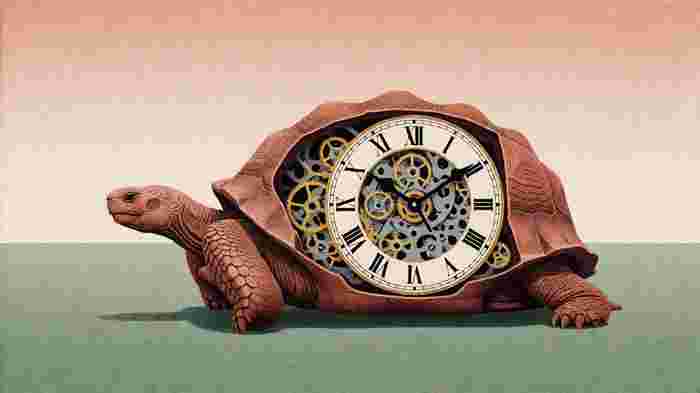
Well, first, scientists have built the world's first nuclear clock, which is much more accurate than
嗯,首先,科学家们建造了世界上第一座核钟,它比我们现有的任何仪器要准确得多
anything we have today.
比我们现有的任何东西都要精准。
Next, we will meet Jonathan, a giant tortoise who is 194 years old, and learn how his DNA helps him
接下来,我们将认识乔纳森,一只194岁的大陆龟,并了解他的DNA如何帮他
live so long.
活得这么久。
A tortoise that is nearly 200 years old?
一只将近200岁的陆龟?
That is amazing.
这太神奇了。
What else do we have?
我们还有其他什么?
We also have a funny story about a tiny 99 -million -year -old insect that is named after a Teletubbies character.
我们还有一个有趣的故事,关于一只9900万年前的微小昆虫,它是以天线宝宝的角色命名的。
And finally, we will tell you how you can see the beautiful northern lights in the sky tonight.
最后,我们将告诉你今晚如何在天空中看到美丽的北极光。
Wow, what an exciting list of stories.
哇,多么精彩的故事列表。
I cannot wait to get started.
我等不及要开始了。
Let us begin with the nuclear clock. Yes.
让我们从核钟开始吧。是的。
Our first story comes from researchers in Vienna and Beijing.
我们的第一个故事来自维也纳和北京的研究人员。
They have built the very first nuclear clock.
他们建造了正是第一座核钟。
This is a huge breakthrough in the science of timekeeping.
这是计时科学中的一个巨大突破。
Wait, a nuclear clock?
等等,核钟?
That sounds a bit scary.
听起来有点可怕。
Does it use nuclear energy like a power plant?
它像发电厂一样使用核能吗?
No, do not worry.
不,别担心。
It is completely safe.
它是完全安全的。
It does not produce electricity or harmful radiation.
它不产生电力或有害辐射。
It is simply a new and incredibly precise way to measure time.
这只是一种测量时间的全新且令人难以置信的精确方法。
Okay, that is a relief.
好吧,这我就放心了。
But we already have atomic clocks, right?
但我们已经有原子钟了,对吧?
I heard that they are already super accurate.
我听说它们已经超级准确了。
Yes, atomic clocks are very good.
是的,原子钟非常不错。
They use lasers to measure the movement of electrons around an atom.
它们使用激光来测量原子周围电子的运动。
But a nuclear clock is different.
但核钟是不同的。
It measures changes inside the nucleus.
它测量原子核内部的变化。
That is the very center of the atom.
那正是原子的中心。
Ah, the nucleus.
啊,原子核。
That is like the heart of the atom.
这就像原子的心脏。
Why is measuring the heart better than measuring the outer parts?
为什么测量心脏比测量外部零件更好?
Because the nucleus is much smaller and tightly packed.
因为原子核小得多,而且结合得非常紧密。
It is protected from outside disturbances like temperature changes or magnetic fields.
它免受外部干扰(如温度变化或磁场)的保护。
As a result, a nuclear clock is much more stable.
因此,核钟要稳定得多。
How much more stable are we talking about?
我们说的是多少倍的稳定?
Well, scientists say it is 10 to 100 times more accurate than our best atomic clocks.
嗯,科学家说它比我们最好的原子钟要准确10到100倍。
If you let it run for billions of years, it would lose less than a single second.
如果你让它运行数十亿年,它失去的会少于一秒钟。
That is unbelievable.
那真是难以置信的。
But why do we need that much accuracy?
但为什么我们需要那么高的准确度呢?
My phone already tells me the time perfectly.
我的手机已经能完美地报时了。
In our daily lives, we do not need it.
在我们的日常生活中,我们不需要它。
However, we do need it for advanced technology.
然而,我们在先进技术中确实需要它。
For example, GPS systems in our cars and phones.
例如,我们汽车和手机中的GPS系统。
GPS works by measuring the time it takes for a signal to travel from a satellite to Earth.
GPS通过测量信号从卫星传播到地球所需的时间来工作。
If our clocks are more accurate, our GPS will be accurate to centimeters, not meters.
如果我们的时钟更精确,我们的GPS就能精确到厘米,而不是米。
It can also make the Internet faster and help spacecraft navigate safely in deep space. Wow.
它还可以让互联网更快,并帮助航天器在深空中安全导航。哇。
So a better clock can actually make my phone navigation much better.
所以一个更好的时钟实际上可以让我的手机导航好得多。
That is very useful. Exactly.
这非常有用。确实如此。
Now, let us move from high -tech clocks to a very slow and peaceful animal.
现在,让我们从高科技时钟转向一种非常缓慢而平和的动物。
Our next story is about Jonathan the Giant Tortoise.
我们下一个故事关于巨型陆龟乔纳森。
He is currently the oldest living land animal in the world.
他目前是世界上活着的最年长的陆地动物。
I remember you said he is 194 years old.
我记得你说他194岁了。
That means he was born in the year 1832.
这意味着他出生于1832年。
That is a long time ago.
那是很久以前的事了。
Yes, indeed.
是的,确实。
He was alive before the telephone and the light bulb were invented.
在电话和电灯泡被发明之前他就活着了。
He lives on St.
他生活在圣……
Helena, a beautiful island in the South Atlantic Ocean.
海伦娜,南大西洋中的一个美丽岛屿。
He spends his days eating grass, sleeping in the sun, and enjoying his long life.
他每天吃草、在阳光下睡觉并享受他漫长的生命。
That sounds like a very relaxing lifestyle.
这听起来是一种非常放松的生活方式。
But recently, scientists did something very interesting.
但最近,科学家们做了一件非常有趣的事。
They sequenced his genome, right?
他们测序了他的基因组,对吧?
Yes, they did.
是的,他们做了。
Sequencing his genome means they mapped his DNA to find his secrets of long life.
对他的基因组进行测序意味着他们绘制了他的DNA图谱以寻找他长寿的秘密。
They wanted to understand why giant tortoises can live for nearly two centuries while humans rarely
他们想了解为什么巨型陆龟可以活近两个世纪而人类却很少
reach 100.
达到100岁。
And what did they find in his DNA?
他们在他的DNA里发现了什么?
Did they find a special gene for long life?
他们是否找到了长寿的特殊基因?
They actually found several interesting things.
他们实际上发现了几个有趣的事情。
First, Jonathan has extra copies of certain genes.
首先,乔纳森拥有某些特定基因的额外副本。
These genes are responsible for repairing damaged DNA.
这些基因负责修复受损的DNA。
You see, as animals get older, their DNA gets damaged, which causes aging and diseases like cancer.
你看,随着动物变老,它们的DNA会受损,这会导致衰老和像癌症这样的疾病。
But Jonathan's body is incredibly good at fixing these mistakes.
但乔纳森的身体在纠正这些错误方面极其擅长。
So his cells can just repair themselves before any real damage happens?
所以他的细胞可以在任何真正的损害发生之前自己修复吗?
That is like having a team of mechanics constantly fixing a car while it is driving.
这就像有一支机械师团队在车行驶时不断地修理它。
That is a perfect metaphor, Chloe.
这是一个完美的比喻,克洛伊。
In addition, his cells are very sensitive to stress.
此外,他的细胞对压力非常敏感。
If a cell is too damaged to be fixed, his body quickly destroys it instead of letting it become a
如果一个细胞受损严重无法修复,他的身体会迅速摧毁它,而不是让它变成一个
dangerous cancer cell.
危险的癌细胞。
This is a very smart way to stay healthy.
保持健康这是一个非常聪明的方法。
I wish my cells were that smart.
我希望我的细胞也能那么聪明。
Can we use this information to help humans live longer, too?
我们能利用这信息来帮助人类也活得更久吗?
Scientists hope so.
科学家们希望如此。
Although we might not live to 194.
尽管我们可能活不到194岁。
Studying Jonathan's DNA can help us find new ways to treat cancer and help humans age more healthily.
研究乔纳森的DNA可以帮助我们找到治疗癌症的新方法,并帮助人类更健康地衰老。
It is a wonderful example of how nature can teach us about our own health.
这是一个极好的例子,说明大自然如何能教导我们关于自身健康的知识。
That is really inspiring.
这真的很鼓舞人心。
Jonathan is not just a very old tortoise.
乔纳森不仅仅是一只非常老的乌龟。
He is a science teacher.
他是一位科学老师。
He certainly is.
他当然是。
Now, let us go from a very large, living animal to a very small, ancient one.
现在,让我们从一个非常大的、活着的动物转向一个非常小的、古代的动物。
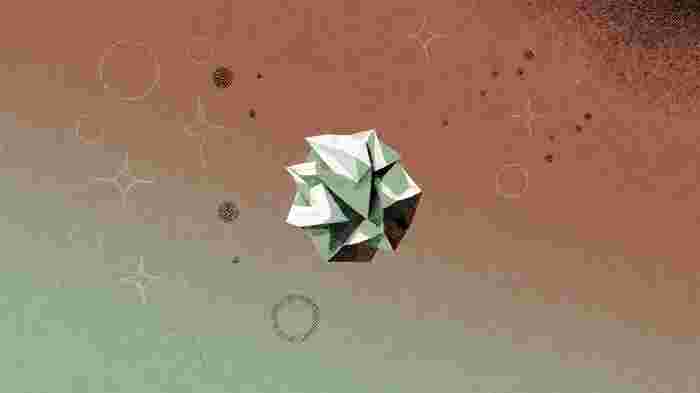
Scientists have discovered a new insect fossil trapped in tree resin from the dinosaur era.
科学家们在恐龙时期的树木树脂中发现了一种新的昆虫化石。
Trapped in resin?
被困在树脂里?
Like amber?
像琥珀一样?
How old is this fossil?
这个化石有多久的历史了?
It is about 99 million years old.
它大约有99百万年的历史。
And the funniest part of the story is its name.
这个故事最有趣的部分是它的名字。
Scientists have named this new species after a Teletubbies character.
科学家们以一个天线宝宝角色的名字来命名这个新物种。
Oh, let me guess.
哦,让我猜一猜。
Is it named after Tinky Winky or Poe?
它是以丁丁还是小波的名字命名的?
No, it is named Nunu.
不,它被命名为努努。
Do you remember Nunu?
你还记得努努吗?
Of course.
当然。
Nunu is the blue vacuum cleaner who cleans up the Teletubbies' house.
努努是那个打扫天线宝宝房子的蓝色吸尘器。
Why on earth did they name an ancient insect after a vacuum cleaner?
他们到底为什么要用吸尘器来给远古昆虫命名呢?
Because of its mouth.
因为它的嘴巴。
This insect had a feeding tube that was nearly twice as long as its entire body.
这种昆虫有一个几乎是它整个身体两倍长的摄食管。
The tube was very bendy, just like Nunu's vacuum hose.
这个管子非常弯曲,就像努努的吸尘软管一样。
Twice its body length?
两倍于它的身体长度?
That is like a human having a three -meter -long straw attached to their mouth. Exactly.
这就像一个人类嘴里附着着一根三米长的吸管。没错。
The insect used this long, bendy straw to reach deep inside ancient flowers to drink nectar.
这种昆虫用这根长而弯曲的吸管深入古代花朵内部去喝花蜜。
It is a very clever design.
这是一个非常巧妙的设计。
That is amazing.
这太令人惊叹了。
But wait, did flowers even exist 99 million years ago? Yes.
但是等等,9900万年前花朵真的存在吗?是的。
Flowers were just beginning to appear on earth at that time.
那时花朵才刚刚在地球上出现。
This insect was one of the first creatures to adapt to them.
这种昆虫是第一批适应它们的生物之一。
It shows how insects and plants grew and changed together to survive.
它展示了昆虫和植物是如何共同生长和改变以求生存的。
That is so interesting.
这太有趣了。
Science names can sometimes be very funny, but they always have a good story behind them.
科学名字有时会非常有趣,但它们背后总有一个很好的故事。
They do.
确实如此。
Finally, we have some very exciting news for sky watchers.
最后,我们为观星者带来了一些非常令人兴奋的消息。
Tonight, on October 9th, many people across the United States might see something truly beautiful in
今晚,10月9日,美国各地的许多人可能会在夜空中看到真正美丽的东西
the night sky.
在夜空中。
Are you talking about the northern lights?
你在说北部的极光吗?
I have always wanted to see them.
我一直都想看看它们。
Yes, I am.
是的,我是。
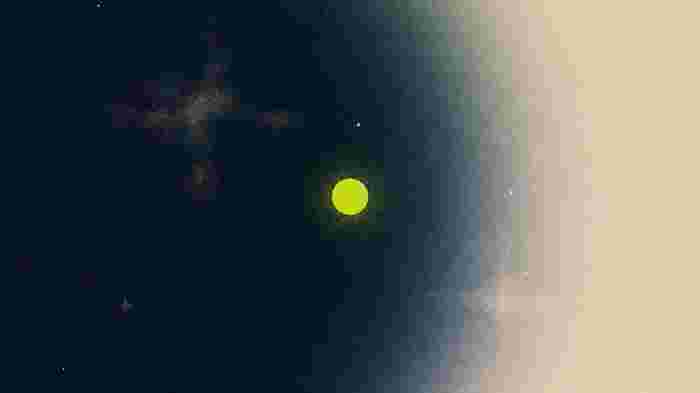
There is a moderate solar storm heading toward Earth today.
今天有一场中等强度的太阳风暴正朝地球袭来。
Because of this storm, the northern lights, or auroras, might be visible in up to 22 U .S. states.
由于这场风暴,北极光,即极光,可能在美国多达22个州可见。
22 states?
22个州?
Usually you have to travel to Alaska or Canada to see them.
通常你必须去阿拉斯加或加拿大才能看到它们。
How can they be visible so far south?
怎么可能在这么靠南的地方可见呢?
It is because of the strength of the solar storm.
这是因为太阳风暴的强度。
When the sun sends out a large cloud of energy, these particles hit Earth's magnetic field.
当太阳释放出一大团能量时,这些粒子会撞击地球的磁场。
This collision creates energy, which looks like green and red lights in the sky.
这种碰撞会产生能量,看起来就像天空中的绿色和红色灯光。
If the storm is strong, the lights push further south.
如果风暴很强,光芒会向更远的南方推进。
That sounds wonderful.
听起来真美妙。
What is the best way for our listeners to see them tonight?
对于我们的听众来说,今晚看它们的最好方法是什么?
First, you need to find a dark place.
首先,你需要找一个黑暗的地方。
Get away from city lights, like street lights and buildings.
远离城市的光线,比如路灯和建筑物。
Second, look toward the north.
第二,朝向北方看。
The lights might look like a faint green cloud at first.
起初,这些光看起来可能像一片微弱的绿色云彩。
But here is a tip.
但这里有个小建议。
Use your phone camera.
使用你的手机相机。
If you take a photo, the camera can see the bright colors much better than our eyes.
如果你拍张照片,相机能比我们的眼睛更好地看到那些明亮的颜色。
That is a great tip.
那是个好建议。
I will definitely go outside tonight, look north, and try to take a photo.
今晚我一定会去外面,向北看,并试着拍张照片。
I hope the sky is clear.
我希望天空是晴朗的。
I hope so too, Chloe.
我也希望如此,克洛伊。
It is a rare opportunity, so do not miss it if you are in the northern part of the country.
这是一个难得的机会,所以如果你在国家的北部地区,千万不要错过。
I definitely won't.
我绝对不会。
Well, that is a lot of wonderful news for one morning.
嗯,对于一个早晨来说,这有太多美妙的消息了。
It sure is.
它确实是。
But before we finish our show, we have a fun question for you, our listeners. Yes.
但在我们结束节目之前,我们有一个有趣的问题要问你们,我们的听众。是的。
If you could live as long as Jonathan the tortoise, what is the first thing you would do with all
如果你能活得和乔纳森这只乌龟一样长,你用所有
that extra time?
那些额外的时间会做的第一件事是什么?
Please write your answers in the comments section below.
请在下面的评论区写下你的答案。
We really want to read your creative ideas, and you can also check out what other listeners have written.
我们真的很想读到你们富有创造力的想法,你也可以查看其他听众写的内容。
Also, we want to thank our amazing TalkCast members and subscribers.
此外,我们要感谢我们优秀的TalkCast会员和订阅者。
Your support helps us create these episodes every day.
你们的支持帮助我们每天创作这些节目。
Thank you so much.
非常感谢。
Please remember to subscribe, share the show with your friends, and leave us a review.
请记得订阅,把节目分享给你的朋友,并给我们留下一条评论。
Have a wonderful morning, and we will see you next time.
祝你们有个美好的早晨,我们下次见。
Goodbye, everyone.
再见,大家。
Enjoy the night sky tonight.
享受今晚的夜空吧。
Bye, everybody.
再见,各位。
Bye, jeada.
再见,杰达。
Bye, all right.
再见,好的。
Bye, everybody.
再见,各位。