Interactive transcript · 161 lines
Good morning, everyone.
早上好,大家。
Welcome to TalkCast, your daily dose of the world's most fascinating news, tailored for English learners.
欢迎收听 TalkCast,为您量身定制的每日世界精彩新闻,专为英语学习者打造。
I'm Caleb.
我是卡莱布。
And I am Chloe.
我是克洛伊。
A very warm morning to all of you.
向大家致以极其温暖的晨间问候。
We hope you are starting your day with great energy.
我们希望大家怀着满满的活力开启新的一天。
Also, we want to wish a very happy Mid -Autumn Festival to all our listeners celebrating today.
同时,我们也祝愿今天庆祝佳节的所有听众中秋节快乐。
Yes, happy Mid -Autumn Festival.
是的,祝大家中秋节日快乐。
It is a beautiful time for family reunions and, of course, looking up at the bright full moon.
这是家人团聚的美好时刻,当然,还可以仰望明亮的满月。
Interestingly, Chloe, our very first story today takes us to another celestial body in the night
有趣的是,克洛伊,我们今天的第一则报道将带我们去探索夜空中的另一个天体
sky, though it is a bit further away than our moon.
,尽管它比我们的月球还要更远一些。
Oh, are we talking about Mars again?
噢,我们又要聊火星了吗?
I never get tired of hearing about the red planet.
关于这颗红色行星的故事,我真是百听不厌。
What has been discovered this time?
这次又发现了什么?
We are indeed.
我们确实是的。
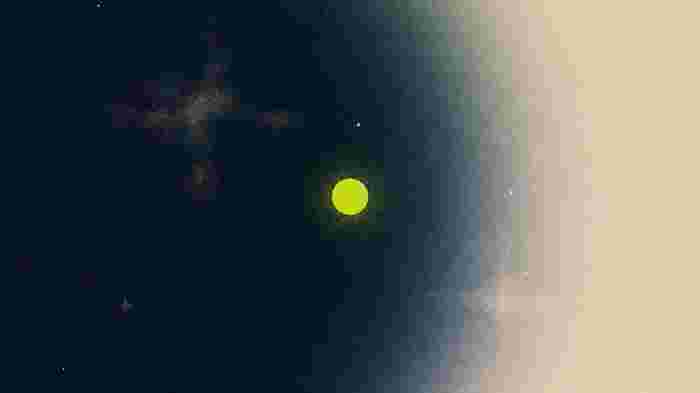
On this Friday, September 25th, 2020 SIPs, we are looking at a groundbreaking study regarding Mars.
在2020年9月25日这个星期五的节目中,我们将关注一项关于火星的突破性研究。
Scientists analyzing data from NASA's Perseverance rover have found evidence of a highly complex
科学家在分析来自美国宇航局“毅力号”火星车的数据时,发现了一个高度复杂的
water system that once existed in Jezero Crater.
曾存在于杰泽罗撞击坑的水系统的证据。
Wait, I thought we already knew Jezero Crater was an ancient lake.
等等,我以为我们早就知道杰泽罗撞击坑是一座古老的湖泊。
What is new about this?
这次有什么新发现吗?
While we knew it was a lake, we did not fully understand how the water behaved.
虽然我们知道它曾是一个湖,但我们并不完全了解水分是如何运作的。
The new study focused on an area called the Margin Unit, which is located along the inner edge of
这项新研究聚焦于一个被称为“边缘单元”的区域,它位于
the crater.
撞击坑的内缘。
It is rich in a mineral called olivine.
那里富含一种被称为橄榄石的矿物。
The data shows that this unit underwent major chemical alterations caused by both lake water and
数据表明,该单元经历了重大的化学演变,原因来自湖水与
groundwater over a long period. Groundwater.
长期的地下水作用。地下水。
So it was not just a simple lake filled from above by rain or rivers? Exactly.
所以它不仅仅是一个由降雨或河流从上方灌满的简单湖泊?确实如此。
It was a dynamic, active system.
这是一个动态的、活跃的系统。
The liquid water did not just sit there.
液态水并不只是停留在那里。
It flowed beneath the surface, interacting with the rocks and changing their chemical structure.
它在地下流动,与岩石发生相互作用并改变它们的化学结构。
This suggests that the environment on early Mars was much more active and potentially habitable than
这表明早期火星上的环境要活跃得多,且潜在更加宜居,相比
we previously estimated.
我们此前所估计的。
That is absolutely fascinating.
那简直太引人入胜了。
It is like Mars had its own active plumbing system billions of years ago.
这就好像数十亿年前,火星拥有自己活跃的管道系统一样。
It really makes you wonder what kind of microscopic life might have been swimming around in those
这真让人不禁好奇,究竟会有什么样的微观生命游动在那些
underground currents.
地下暗流之中。
It certainly does.
确实如此。
Now, let us bring our focus back to Earth.
现在,让我们把焦点带回地球。
But let us travel back millions of years.
不过让我们穿越回数百万年前。
Our next story is about the most famous predator in history, the Tyrannosaurus rex.
我们的下一个故事是关于历史上最著名的捕食者——霸王龙。
Oh, the T -Rex.
噢,霸王龙。
My favorite dinosaur.
我最喜欢的恐龙。
Please tell me we did not find another bone that just tells us how big it was.
请告诉我,我们没有再发现一块只是告诉我们它有多大的骨头。
No, this is much more exciting.
不,这次要令人兴奋得多。
A new study analyzing fossilized T -Rex teeth has revealed that this giant dinosaur was actually warm -blooded.
一项分析霸王龙化石牙齿的新研究表明,这种巨型恐龙实际上是温血动物。
Wait a minute.
等一分钟。
Warm -blooded?
温血的?
I thought dinosaurs were reptiles and reptiles are cold -blooded, right?
我以为恐龙是爬行动物,而爬行动物是冷血的,对吧?
They have to lie in the sun to get warm.
它们必须躺在太阳底下晒太阳取暖。
That was the traditional view for a long time.
在很长一段时间里,那都是传统的观点。
However, scientists used a highly advanced technique called clumped isotope paleothermometry to
然而,科学家们使用了一种被称为团簇同位素古气温计的高级技术,
study the chemistry of the dinosaur's teeth.
来研究恐龙牙齿的化学成分。
Hold on, Caleb.
稍等一下,凯勒布。
That is a massive term.
那真是个庞大的术语。
Clumped isotope paleothermometry?
团簇同位素古气温测定?
You have to explain that before we go any further.
在我们继续深入之前,你必须解释一下。
Fair enough.
很合理。
Let us use a metaphor.
让我们用一个比喻。
Imagine isotopes are like different colored Lego bricks.
想象一下同位素就像不同颜色的乐高积木。
At different temperatures, these bricks bond or clump together in specific patterns inside the tooth mineral.
在不同的温度下,这些积木会在牙齿矿物质内部以特定的模式结合或聚集在一起。
By analyzing how these atomic bricks clumped together when the T -Rex's teeth were forming,
通过分析霸王龙牙齿形成时这些原子积木是如何聚集在一起的,
scientists can calculate its actual body temperature.
科学家们就可以计算出它的实际体温。
Ah, I see.
啊,我明白了。
So the teeth acted like a permanent biological thermometer. Exactly.
所以牙齿就像一个永久的生物体温计。确实如此。
And the results show that the T -Rex had a body temperature of around 36 .3 degrees Celsius, which is
结果显示霸王龙的体温大约在36.3摄氏度左右,
about 97 degrees Fahrenheit.
大约是97华氏度。
That is incredibly close to human body temperature and almost identical to modern mammals like elephants.
这与人类体温极其接近,并且与大象等现代哺乳动物几乎完全相同。
Wow, that is a game changer.
哇,那真是个游戏规则改变者。
If they were warm -blooded, it means they did not need to wait for the morning sun to heat them up.
如果它们是恒温的,这意味着它们不需要等待早晨的太阳来加热身体。
They could hunt actively, move fast, and survive in various climates. Precisely.
它们可以积极地捕猎、快速移动,并在各种气候中生存。正是如此。
It paints a picture of a much more active, energetic predator.
这描绘了一幅更加活跃、精力充沛的捕食者形象。
It also helps explain how they managed to dominate their ecosystems for so long.
这也有助于解释它们是如何在这么长的时间里统治其生态系统的。
That is mind -blowing.
这真是令人震撼。
I will never look at a T -Rex the same way again.
我再也不会用同样的方式看待霸王龙了。
They were not just giant lizards.
它们不仅仅是巨大的蜥蜴。
They were highly efficient, warm -blooded machines. Indeed.
它们是高度高效的恒温机器。确实如此。
Now, let us transition from paleontology to archaeology and advanced technology.
现在,让我们从古生物学过渡到考古学和先进技术。
Our third major story today takes us to ancient Italy, specifically to the ruins of Herculaneum,
我们今天的第三个重大故事带我们来到古代意大利,特别是赫库兰尼姆的遗址,
which was destroyed by the eruption of Mount Vesuvius in 79 AD.
该城在公元79年因维苏威火山的喷发而被摧毁。
Ah, the same volcanic eruption that buried Pompeii.
啊,就是埋葬庞贝古城的同一次火山喷发。
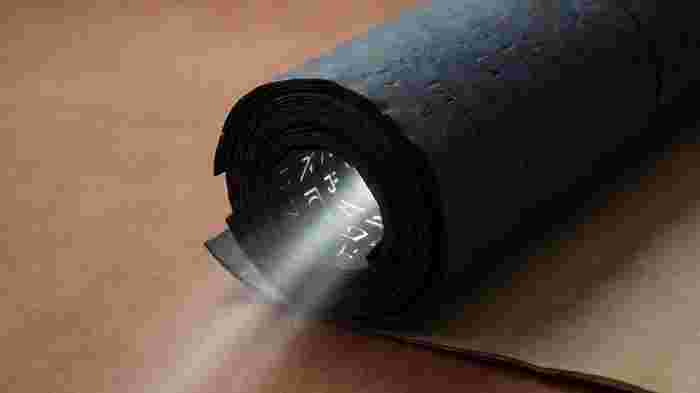
I know that many ancient scrolls were found there, but they were severely burned and turned into charcoal.
我知道那里发现了很多古代卷轴,但它们被严重烧毁并变成了炭块。
People have tried to open them, but they just crumble into dust.
人们试图打开它们,但它们直接碎成粉末。
Yes, they are essentially carbonized lumps.
是的,它们本质上是碳化的块状物。
But now, scientists have developed a non -invasive way to read these scrolls without ever unrolling them.
但现在,科学家们开发出一种非侵入性的方法,可以在完全不展开卷轴的情况下阅读它们。
Without opening them?
不用打开它们?
That sounds like magic.
听起来像魔法一样。
How is that physically possible?
这在物理上怎么可能?
It is all about the ink.
这完全取决于墨水。
Roman ink was often made from soot, but some special scrolls used lead -based ink.
罗马墨水通常是由烟灰制成的,但一些特殊的卷轴使用的是含铅墨水。
By using high -energy X -ray beams from a particle accelerator, scientists can detect the tiny traces
通过使用来自粒子加速器的高能X射线束,科学家们可以检测到微小的痕迹
of lead hidden deep inside the rolled layers of the scroll.
隐藏在卷轴卷叠层深处的铅。
So, the lead in the ink glows under the X -ray, and a computer can reconstruct the letters?
所以,墨水中的铅在X射线下发光,然后计算机可以重构出字母?
Yes, but it is incredibly difficult.
是的,但这是极其困难的。
Imagine trying to read a newspaper that has been crumpled into a tight ball and then burnt to a crisp.
想象一下试图阅读一份被揉成紧密纸团然后烧成干渣的报纸。
Scientists use advanced computer algorithms to virtually flatten the layers and piece the words back together.
科学家们使用先进的计算机算法在虚拟空间中平整这些图层,并将文字重新拼凑在一起。
That is brilliant.
太精妙了。
It's like using virtual reality to unroll a piece of history.
这就像是用虚拟现实技术展开了一段历史。
What kinds of texts are they finding?
它们发现了什么类型的文本?
They are discovering lost philosophical works, poetry, and historical records that have not been
它们正在发现失传的哲学著作、诗歌和历史记录,这些记录
read for nearly 2 ,000 years.
已经将近2000年没有人阅读过了。
It is opening up a completely new window into the ancient world.
这为我们打开了一扇通往古代世界的全新窗口。
This is so exciting.
这真是太令人兴奋了。
It means there is a whole library of ancient knowledge waiting to be unlocked.
这意味着有一整座古代知识宝库等待被解锁。
And we do not have to destroy the fragile scrolls to do it. Absolutely.
而且我们不必毁坏那些脆弱的卷轴就能做到这一点。绝对如此。
It is a perfect marriage of history and modern physical science. Wonderful.
这是历史与现代物理科学的完美结合。太棒了。
Now, Caleb, do we have some shorter updates for our listeners today?
那么,凯勒布,今天我们为听众准备了一些较简短的更新吗?
We do.
是的,我们有。
First, let us look at a dramatic geological event happening in Africa.
首先,让我们关注一下非洲正在发生的一起重大地质事件。
Scientists have reported that the continent is splitting apart much faster than we originally estimated.
科学家报告称,这块大陆分离的速度远快于我们最初的估计。
A massive crack known as the Turkana Rift has entered a critical stage of continental breakup.
一条被称为图尔卡纳裂谷的巨大裂缝已经进入了大陆解体的关键阶段。
A continental breakup?
大陆解体?
Does that mean Africa is going to divide into two separate landmasses?
那是否意味着非洲将被分割成两块独立的陆块?
Yes, eventually.
是的,最终会如此。
Over millions of years, a new ocean will form in the gap.
经过数百万年,这道缝隙中将形成一片新的海洋。
It is a powerful reminder that our planet's surface is constantly moving and reshaping itself, even
这强力提醒着我们,地球表面一直在不断地运动和重塑,即使
if we cannot feel it daily.
即使我们每天都感觉不到它。
That is incredible.
那真是太难以置信了。
The Earth is a living, breathing puzzle.
地球是一个充满生机与活力的谜题。
What is our second quick update?
我们的第二条简短动态是什么?
Our second update is a bit more lighthearted, but equally surprising.
我们的第二条动态更加轻松,但也同样令人惊讶。
Experts working in the Atacama Desert in Chile, which is one of the driest places on Earth, have
在智利阿塔卡马沙漠工作的专家们(那里是地球上最干燥的地方之一)
discovered a fossilized tooth belonging to an ancient capybara.
发现了一颗属于古代水豚的化石牙齿。
A capybara?
一只水豚?
Those cute, giant rodents that love to swim in water?
那些喜欢在水里游泳的可爱巨型啮齿动物吗?
How on Earth did one end up in the driest desert in the world?
究竟怎么会有一只跑到了世界上最干燥的沙漠里?
That is exactly why the discovery is so shocking.
这正是这项发现如此令人震惊的原因。
It strongly suggests that nine million years ago, the Atacama Desert was not dry at all.
这有力地表明,九百万年前的阿塔卡马沙漠一点也不干燥。
Instead, it was likely a wet, lush environment filled with rivers and lakes where giant rodents
相反,那里当时可能是一个湿润、植被茂密的环境,布满了河流和湖泊,巨型啮齿动物
could thrive. Wow.
可以在那里繁衍。哇。
That is a dramatic climate shift.
这真是巨大的气候转变。
It really shows how much our planet's environment can change over geological time.
这确实展现了我们星球的环境在地质年代中能发生多么巨大的变化。
It certainly does.
确实如此。
And that brings us to the end of our main stories for today's digest.
以上就是我们今天新闻摘要的主要内容。
But before we sign off, we have our daily quiz for our English learners.
但在我们结束前,我们为英语学习者准备了每日小测验。
Let us see if you are paying close attention to our third story.
让我们看看你刚才有没有密切关注我们的第三个故事。
Yes, let us do it.
好的,让我们开始吧。
Today's question is, what specific element in the ancient Roman ink allowed scientists to detect the
今天的提问是,古罗马墨水中的某种特定成分使科学家能够检测出
writing inside the scorched scrolls without opening them?
未打开的烧焦卷轴内部的文字?
Think about it, everyone.
大家思考一下吧。
We will give you the answer in just a moment.
我们过片刻就会公布答案。
Meanwhile, we would love to hear your thoughts on our discussion today. Indeed.
与此同时,我们非常想听听大家对今天讨论的看法。确实如此。
We have a fun question for you to answer in the comments section.
我们在评论区准备了一个有趣的问题等你回答。
If you could use a virtual scanner to read any lost historical document, what mystery from the past
如果你能使用虚拟扫描仪阅读任何失传的历史文献,你最想解开过去的哪个谜团
would you want to solve?
你会想要去解开?
Please write down your answers in the comments section below, or take a look at what other listeners
请在下方评论区写下你的答案,或者看看其他听众
are saying.
正在说些什么。
It is a fantastic way to practice your English writing and connect with other learners around the world.
这是练习英语写作并与世界各地其他学习者建立联系的绝佳方式。
We also want to thank you so much for joining us today on TalkCast.
我们也非常感谢大家今天加入我们的 TalkCast 节目。
If you find our podcast helpful for your English learning journey, please consider subscribing,
如果您觉得我们的播客对您的英语学习之旅有所帮助,请考虑订阅、
sharing it with your friends, and becoming a TalkCast member to support our work.
分享给朋友,并成为 TalkCast 的会员来支持我们的工作。
And remember, you can find the complete written transcript and the audio files for this episode on
请记住,您可以在我们的网站上找到本期节目完整的书面逐字稿和音频文件,
our website at www .talkcast .top, as well as on our official WeChat public account, which is also
网址是 www.talkcast.top,同时也可以在我们的官方微信公众号上找到,
called TalkCast.
它的名字也叫作 TalkCast。
We update these materials regularly so you can read along while you listen.
我们会定期地更新这些资料,以便您可以在收听的同时随之阅读。
Now, let us reveal the answer to our quiz.
现在,让我们揭晓这次测验的答案。
The element in the ancient ink that made the virtual unrolling possible is… lead.
古代墨水中让虚拟卷轴展开成为可能的元素是……铅。
Yes, lead.
是的,就是铅。
Congratulations to everyone who got it right.
恭喜所有答对的朋友。
Thank you once again for tuning in today.
再次感谢大家今天的收听。
Have a beautiful morning, enjoy the Mid -Autumn Festival, and we will see you next time on TalkCast.
祝您度过一个美好的早晨,享受中秋佳节,我们下次 TalkCast 再见。
Goodbye, everyone.
再见,大家。