Interactive transcript · 187 lines
Good morning, and welcome to TalkCast, your daily digest of the most fascinating news from around
早上好,欢迎收听 TalkCast,这是为您带来的来自世界各地最迷人新闻的每日摘要
the globe.
全球。
I am Benjamin.
我是本杰明。
And I am Claire.
我是克莱尔。
Happy to have you with us this morning.
很高兴今天早上有您陪伴。
Grab your coffee, tea, or whatever wakes you up, because we have some mind -blowing science stories
端起您的咖啡、茶,或者任何能叫醒您的饮料,因为我们今天有一些令人震撼的科学故事
to share today.
今天与大家分享。
That is right.
没错。
Today is September 22nd, 2026, and we are starting our morning with some incredible updates from
今天是2026年9月22日,我们将用一些来自宇宙的难以置信的最新动态开启今天早晨
space, ancient Earth, and the future of technology.
太空、古老的地球以及技术的未来。
I cannot wait, Benjamin.
我等不及了,本杰明。
What do we have on the menu today?
我们今天的菜单上有哪些内容?
Today, we are exploring a wild theory about why Earth's twin, Venus, does not have a moon.
今天,我们正在探索一个关于为什么地球的孪生姐妹金星没有卫星的狂野理论。
Spoilers, it might have eaten it. Wow.
剧透警告,它可能把它吃掉了。哇。
Talk about sibling drama on a cosmic scale. Exactly.
这真是宇宙级别的兄弟姐妹恩怨。确实。
We will also look at a newly discovered crater on our own moon that is larger than the Roman
我们还将看看在我们自己的月球上新发现的一个陨石坑,它比罗马
Colosseum, plus a groundbreaking biology study suggesting our brains might actually be two separate
斗兽场还要大,此外还有一项突破性的生物学研究表明,我们的脑部可能实际上是两个独立的
organs that merged over time.
随着时间推移而融合的器官。
And for our light -hearted finish, we'll find out what Pikachu was doing in space for over two months.
作为我们轻松愉快的收尾,我们将看看皮卡丘在太空里呆了两个多月都在做些什么。
Let us start with Venus.
让我们从金星开始。
We often call Venus Earth's twin because they are similar in size and mass.
我们经常称金星为地球的孪生姐妹,因为它们在大小和质量上很相似。
But there is one major difference.
但有一个主要的区别。
Earth has our lovely moon, while Venus has nothing.
地球拥有我们可爱的月亮,而金星却一无所有。
Why is that?
这是为什么呢?
Yes, I have always wondered about that.
是的,我一直对此感到好奇。
Did Venus just never get a partner, or did something happen?
金星是从来没有获得过伴侣,还是发生了什么事?
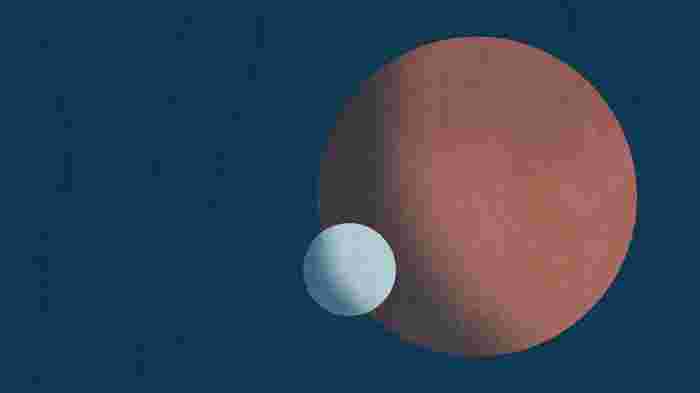
Well, a new astrophysics study suggests Venus actually had a rocky moon billions of years ago.
嗯,一项新的天体物理学研究表明,数亿年前金星实际上拥有一颗岩石月球。
But because Venus rotates so incredibly slowly—in fact, a day on Venus is longer than its year—the
但由于金星自转非常缓慢——事实上,金星上的一天比它的一年还长——
gravity of the planet dragged the moon closer and closer.
行星的引力将月球拉得越来越近。
Eventually, Venus swallowed it whole. Wait.
最终,金星将它完整地吞噬了。等等。
Swallowed its own moon?
吞噬了自己的月球?
That sounds like a scene from a space horror movie.
这听起来像宇宙恐怖电影里的场景。
How does a planet even do that?
一颗行星到底是怎么做到那点的?
It is all about tidal forces.
这完全与潮汐力有关。
Tidal forces?
潮汐力?
Like ocean tides?
就像海洋潮汐一样?
Yes, exactly.
是的,没错。
Just as the moon's gravity pulls on Earth's oceans to create tides, a planet's gravity pulls on its moon.
正如月球的引力拉扯地球的海洋形成潮汐一样,行星的引力也会拉扯它的月球。
When a planet rotates faster than its moon orbits, it drags the moon forward, pushing it into a
当行星的自转速度快于其月球的公转速度时,它会将月球向前拖拽,推入
higher orbit.
更高的轨道。
That is what's happening to Earth's moon right now, though very slowly.
这就是目前地球月球正在发生的事情,尽管非常缓慢。
But since Venus rotates so slowly, its gravitational bulge actually acted like a brake, dragging the
但由于金星自转如此缓慢,其引力隆起实际上起到了制动器的作用,拖慢了
moon backward and pulling it down until it collided with Venus and became part of the planet.
月球向后退并拉低它,直到它与金星相撞并成为这颗行星的一部分。
So Venus is basically a cosmic giant that ate its own companion.
所以金星基本上是一个吞噬了自己同伴的宇宙巨兽。
That is wild!
那太疯狂了!
Speaking of moons, did you hear about the massive new crater on our moon?
说到月球,你听说我们月球上那个巨大的新陨石坑了吗?
Ah, yes!
啊,是的!
NASA's Lunar Reconnaissance Orbiter spotted a brand new crater.
美国国家航空航天局的月球侦察轨道器发现了一个全新陨石坑。
And when I say brand new, I mean it was created in early 2024.
当我说全新时,我的意思是它是在2024年初形成的。
Wait, 2024?
等等,2024年?
That's practically yesterday in space -time.
在时空维度上,这几乎就像是昨天发生的事。
How big is it?
它有多大?
It is huge.
它太巨大了。
Over 220 meters wide.
宽度超过220米。
To put that in perspective, it's bigger than the Roman Colosseum.
直观对比来看,它比罗马斗兽场还要大。
It is the largest newly formed crater ever detected since we started tracking the solar system with satellites.
这是自我们开始使用卫星追踪太阳系以来,检测到的最大的新形成陨石坑。
That is amazing!
那真是太神奇了!
Imagine the impact that created it.
想象一下创造它的那次撞击。
It must have been a once -in -a -lifetime show if anyone was watching.
如果有人在看的话,那一定会是一场一生难得一见的奇观。
But fortunately, it was on the moon, not here on Earth. Exactly.
但幸运的是,它发生在月球上,而不是地球上。确实如此。
It shows that the solar system is still a very active and sometimes violent place.
这表明太阳系仍然是一个非常活跃、有时甚至很剧烈的地方。
Let us bring it back to Earth.
让我们把话题带回地球吧。
But 66 million years ago, we have some major news about everyone's favorite dinosaur, the
但在6600万年前,关于大家都非常喜欢的恐龙,我们有一些重大新闻,那就是
Tyrannosaurus rex.
霸王龙。
Don't tell me they found another giant skeleton.
别告诉我他们又发现了一具巨大的骨架。
Even better.
甚至比这更好。
Scientists analyzed fossilized T.
科学家们分析了已成为化石的霸王龙 T.
rex teeth and discovered that these massive predators were warm -blooded.
rex 的牙齿,并发现这些庞大的捕食者是温血动物。
In fact, their body temperature was around 97 degrees Fahrenheit, which is nearly identical to ours.
事实上,它们的体温在华氏97度左右,这与我们的体温几乎完全相同。
Wait, warm -blooded?
等等,温血的?
I thought dinosaurs were cold -blooded, like lizards and crocodiles.
我以为恐龙是冷血动物,就像蜥蜴和鳄鱼一样。
That was the old school of thought.
那是以前的观点学派了。
But this study shows they ran as warm as modern elephants.
但这项研究表明,它们的体温和现代大象一样高。
It means they had high metabolic rates, which would allow them to be active, fast hunters, rather
这意味着它们拥有很高的新陈代谢率,这使它们能够成为活跃、快速的捕食者,而不是
than slow, sluggish reptiles that need to sunbathe to get energy.
那些需要晒太阳才能获得能量的缓慢、迟钝的爬行动物。
That is a total game -changer for how we picture them.
这彻底改变了我们对它们的想象。
It makes them feel much more like active birds or mammals.
这使它们感觉更像活跃的鸟类或哺乳动物。
And speaking of birds, another crazy discovery was made in dinosaur dung, or fossilized poop,
说到鸟类,在恐龙的粪便(或粪便化石)中还有另一个疯狂的发现,
officially called coprolites.
官方称之为粪化石。
Okay, you have my attention.
好吧,你成功吸引了我的注意力。
What did they find in ancient poop?
他们在古老的粪便里发现了什么?
A 66 -million -year -old bird feather.
一片6600万年前的鸟类羽毛。
It was preserved perfectly inside the dinosaur dung.
它在恐龙粪便中被完美地保存了下来。
And this little feather might explain why modern birds survived the mass extinction that wiped out
而这片小羽毛也许能解释为什么现代鸟类在导致其他物种灭绝的大灾难中幸存了下来,那场灾难消灭了
the dinosaurs.
那些恐龙。
How does a feather in poop explain extinction survival?
粪便里的一片羽毛怎么能解释灭绝中的幸存机制呢?
Well, the feathers show signs of molting.
噢,这片羽毛显示出了换羽的迹象。
Molting is when birds lose their feathers and grow new ones.
换羽就是鸟类脱落旧羽毛并长出新羽毛的过程。
The researchers believe that the ability to shed and grow feathers in a predictable, controlled way
研究人员认为,以一种有规律且受控的方式脱落和生长羽毛的能力
helped ancient birds survive the extreme winter that followed the asteroid impact.
帮助古代鸟类在小行星撞击引发的极寒冬日中幸存了下来。
It allowed them to stay warm and adapt, whereas other feathered dinosaurs that didn't mold
这让它们得以保暖并适应环境,而其他无法高效换羽的有羽毛恐龙
efficiently simply couldn't handle the rapid climate change.
高效地应对,根本无法承受剧烈的气候变化。
So a tiny feather in ancient poop is basically a clue to why we have pigeons and eagles today.
所以,古代粪便里的一片小羽毛,基本上就是我们今天拥有鸽子和老鹰的线索。
That is the beauty of science.
这就是科学的魅力所在。
Sometimes the biggest answers are in the most unexpected places.
有时候,最伟大的答案往往隐藏在最意想不到的地方。
Now, let us move from ancient history to our own bodies.
现在,让我们把话题从古代历史转到我们自己的身体上。
Stanford Medicine just released a study that is shaking up the medical world.
斯坦福医学中心刚刚发布了一项震撼医学界的研究。
It suggests that the human brain is actually made of two separate organs that merge during evolution.
该研究表明,人类大脑实际上是由两个独立的器官在进化过程中合并而成的。
Whoa, back up a second.
哇,等一下。
Two separate organs?
两个独立的器官?
I thought our brain was one single, highly complex organ.
我以为我们的大脑是一个单一且高度复杂的器官。
We all did.
我们大家都是这么想的。
But researchers looking at embryo development found that the brain develops from two parallel neural
但是研究胚胎发育的研究人员发现,大脑是从两条平行的神经
systems that originate from different parts of the early embryo.
系统发育而来的,这些系统源自早期胚胎的不同部位。
They grow separately and then fuse together to form what we call the brain.
它们分别生长,然后融合在一起,形成我们所说的脑。
That is mind -blowing.
这简直令人震撼。
No pun intended.
并非故意双关。
What does this mean for how we understand brain function or brain diseases?
这对我们理解大脑功能或大脑疾病意味着什么?
Well, it could completely change how we treat neurological conditions.
嗯,这可能会彻底改变我们治疗神经系统疾病的方式。
If the brain is essentially two systems working together, some disorders might be caused by a
如果大脑本质上是两个协同工作的系统,那么某些障碍可能是由
communication failure between these two systems rather than a problem in a single organ.
这两个系统之间的沟通失效引起的,而不是单一器官的问题。
It opens up a whole new pathway for medical research.
它为医学研究开辟了一条全新的途径。
It is incredible how much we still do not know about ourselves.
我们对自己居然还有这么多不了解,这简直太不可思议了。
It just shows that biology is full of mysteries waiting to be solved.
这正好表明生物学充满了等待解开的奥秘。
Speaking of solving mysteries, let's look at some futuristic tech.
说到解开奥秘,让我们来看看一些未来主义的技术。
Scientists have built a DNA computer that can perform calculations in a single drop of water.
科学家们制造出了一种 DNA 计算机,可以在一滴水中进行计算。
A DNA computer?
DNA 计算机?
Claire, you need to explain this.
克莱尔,你需要解释一下这个。
How do you do math with DNA?
你怎么用 DNA 做数学计算?
Think of it this way.
你可以这样理解。
Instead of using silicon chips and electricity, which is how our phones and laptops work, this
与使用硅芯片和电力(即我们的手机和笔记本电脑的工作方式)不同,这个
system uses molecules.
系统使用的是分子。
Specifically, it uses self -assembling DNA strands.
具体来说,它使用的是自组装 DNA 链。
Wait, so instead of using metal wires and silicon chips, it uses actual biological DNA to do math? Exactly.
等等,所以它不用金属导线和硅芯片,而是用实际的生物 DNA 来做数学运算?一点没错。
It uses tiny self -assembling DNA strands.
它使用微小的自组装 DNA 链。
These strands carry data like a code, and when they meet in a drop of water, they naturally bind
这些链像代码一样携带数据,当它们在一滴水中相遇时,它们会自然地结合
together in specific patterns.
在一起,形成特定的模式。
Those patterns represent the mathematical answers.
这些模式代表着数学答案。
It's like having millions of tiny puzzle pieces that automatically find their matching partners to
这就像有数百万个微小的拼图块,它们会自动找到与之匹配的伙伴,来
solve a puzzle in seconds.
在几秒钟内解开拼图。
It requires no electricity and no wires, solving basic math in just 30 seconds.
它不需要电能和电线,只需 30 秒即可解决基础数学问题。
That is unbelievable.
那真是难以置信。
What are the practical uses for a computer that runs in water?
在水中运行的计算机有什么实际用途?
Well, it's highly efficient and could eventually be used inside the human body to monitor health,
嗯,它的效率极高,最终可能用于人体内部监测健康,
deliver medicine precisely, or even repair damaged cells at a molecular level.
精准递送药物,甚至在分子水平上修复受损细胞。
It's still in its early stages, but it's a massive step forward. Incredible.
虽然它仍处于早期阶段,但这是一个巨大的飞跃。真是不可思议。
And we don't have to wait for the future to see teenagers making life -changing tech either.
而且我们也不用等到未来才能看到青少年创造出改变生活的技术。
Have you heard about Alexander Dew?
你听说过亚历山大·杜吗?
Yes, the 17 -year -old student who built AI -powered glasses for the visually impaired. Exactly.
是的,那位为视力受损人士打造人工智能眼镜的17岁学生。一点没错。
Alexander built these glasses for just $170.
亚历山大制作这些眼镜只花了170美元。
They use artificial intelligence to scan the environment and speak to the user, helping them
它们使用人工智能来扫描环境并向使用者说话,帮助他们
navigate obstacles and recognize objects.
导航避开障碍物并识别物体。
Only $170?
只要170美元?
That's amazing, considering commercial assistive tech can cost thousands of dollars. Right.
太厉害了,考虑到商业辅助技术可能要花费数千美元。确实如此。
It shows that with modern AI tools, young minds can create highly affordable solutions to real -world problems.
这表明,借助现代人工智能工具,年轻人可以创造出非常负担得起的方案来解决现实世界的问题。
He's definitely someone to watch in the future.
他在未来绝对是个值得关注的人。
He sure is.
他确实是。
Now, Benjamin, let's wrap things up with some fun, lighter news.
现在,班杰明,让我们用一些有趣、轻松的新闻来收尾吧。
Did you know that Pikachu recently returned from a 67 -day mission on the International Space Station?
你知道皮卡丘最近刚结束在国际空间站为期67天的任务返回吗?
Wait, Pikachu?
等等,皮卡丘?
The yellow electric Pokemon?
那只黄色的电系宝可梦?
Was there a literal cartoon mouse in space?
太空中真的有一只字面意义上的卡通老鼠吗?
Well, an astronaut Pikachu plush toy.
嗯,是一个宇航员皮卡丘毛绒玩具。
It was part of a partnership between the European Space Agency and the Pokemon Company.
这是欧洲航天局与宝可梦公司合作关系的一部分。
They sent Pikachu to the ISS to kick off an educational campaign to get kids excited about space science.
他们把皮卡丘送到国际空间站,以发起一项教育活动,让孩子们对太空科学产生兴趣。
That is brilliant.
那真是绝妙。
Kids already love Pokemon, so seeing Pikachu floating in microgravity is a great way to capture
孩子们本来就很喜欢宝可梦,所以看到皮卡丘在微重力下飘浮是一个捕捉
their imagination.
他们想象力的好方法。
It really is.
确实如此。
And if kids, or adults, want to imagine a real space adventure, they should look at Mars' tiny moon, Deimos.
如果孩子或成年人想想象一场真正的太空冒险,他们应该看看火星的小卫星火卫二。
What's happening on Deimos?
火卫二上发生了什么?
Well, the gravity there is so weak that the speed you need to orbit the moon is only 14 kilometers
嗯,那里的重力非常弱,以至于环绕该卫星运行所需的速度只有14公里
per hour.
每小时。
That's about the speed of a fast walk.
那大约是快速步行的速度。
And if you run at 20 kilometers per hour, you would actually escape the moon's gravity entirely and
如果你以每小时20公里的速度奔跑,你实际上会完全挣脱该卫星的重力,并且
fly off into space.
飞向太空。
So if you were a fast runner, you could literally run yourself off the moon and get lost in space?
所以如果你是一个跑得快的人,你真的可以字面上跑着跑着就脱离该卫星,并在太空迷路?
Yes, exactly.
是的,完全正确。
So if we ever build a base on Deimos, no sprinting allowed.
所以如果我们要在火卫二上建立基地,绝不允许冲刺奔跑。
That is a great safety tip.
那是一个非常棒的安全提示。
No running on the moon takes on a whole new meaning.
“禁止在卫星上跑步”有了全新的含义。
And on that amusing note, we come to the end of today's episode of TalkCast.
在这个有趣的话题中,我们来到了今天这期 TalkCast 的尾声。
We hope you enjoyed these stories as much as we did.
我们希望你们像我们一样喜欢这些故事。
We certainly had fun.
我们当然玩得开心。
Before we go, we have a quick question for our listeners to think about today. Yes.
在我们结束之前,今天我们有一个简单的问题想让听众思考一下。是的。
If you could visit any place in our solar system, would you choose to see the massive new crater on
如果你可以访问我们太阳系中的任何地方,你会选择看那个巨大的新撞击坑,还是
the moon or try running off the tiny moon, Deimos?
在月球上,还是尝试跑离那颗微小的卫星火卫二?
Let us know in the comments below and check out what other listeners are saying.
请在下方的评论中告诉我们,并看看其他听众是怎么说的。
Also, if you love what we do, please consider subscribing to TalkCast, sharing it with your friends,
此外,如果你喜欢我们制作的内容,请考虑订阅 TalkCast,与你的朋友分享,
or joining our TalkCast membership for exclusive content.
或者加入我们的 TalkCast 会员以获取独家内容。
We really appreciate your feedback and support.
我们真的非常感激您的反馈和支持。
A quick reminder that the full English transcript and audio of this episode will be regularly posted
快速提醒一下,本期的完整英文逐字稿和音频将定期发布
on our website at www .talkcast .top, as well as on our official WeChat public account, also named TalkCast.
在我们的网站 www.talkcast.top 上,以及我们的官方微信公众号(同样名为 TalkCast)上。
Be sure to check those out if you want to practice your reading and listening.
如果你想练习阅读和听力,一定要去看看。
Thank you so much for joining us this morning.
非常感谢您今天早上加入我们。
Have a wonderful day, and we will see you tomorrow.
祝您度过美好的一天,我们明天再见。
Have a great day, everyone. Goodbye.
祝大家度过愉快的一天。再见。