Interactive transcript · 297 lines
Good morning, everyone.
大家早上好。
Welcome to our morning show.
欢迎收听我们的早间节目。
Good morning, Brian.
布莱恩,早上好。
Good morning to all our listeners.
向我们所有的听众问好。
This is TalkCast, your daily science show.
这里是 TalkCast,您的每日科学节目。
I am Zoe, and we are happy to talk to you.
我是佐伊,我们非常高兴能与大家交流。
And I am Brian, your host for today.
我是布莱恩,您今天的主持人。
Today is September 13th, 2026.
今天是2026年9月13日。
It is a beautiful and sunny morning today.
今天是一个美丽而阳光明媚的早晨。
Yes, it is.
是的,确实如此。
We have great stories for you.
我们为您准备了精彩的故事。
But first, we want to thank our members.
但首先,我们要感谢我们的会员。
Thank you, everyone.
感谢大家。
You help us very much.
你们给予了我们很大帮助。
We love our TalkCast community.
我们热爱我们的 TalkCast 社区。
You are great.
你们太棒了。
Please join our TalkCast community today if you can.
如果可以的话,请在今天加入我们的 TalkCast 社区。
It is very easy to become a member.
成为会员非常容易。
Your support helps us make this podcast every day.
您的支持帮助我们每天制作这档播客。
Now, let us share today's exciting headlines.
现在,让我们分享今天的精彩头条。
What are we going to learn today?
我们今天将要了解什么?
First, we will talk about planet Mercury.
首先,我们将讨论水星这颗行星。
I know that planet.
我知道那颗行星。
It is near the sun.
它靠近太阳。
Yes, the planet is getting smaller and smaller. Really?
是的,这颗行星正变得越来越小。真的吗?
That is very strange and exciting.
这真是太神奇且令人兴奋了。
Then we will talk about a big dinosaur.
然后我们将讨论一只庞大的恐龙。
T -Rex?
霸王龙吗?
My favorite dinosaur of all time. Yes.
我一直以来最喜欢的恐龙。是的。
Scientists found T -Rex footprints in North Dakota.
科学家在北达科他州发现了霸王龙的脚印。
And what is our third main story?
那么我们的第三个主要故事是什么?
We have a story about a big mistake.
我们有一个关于重大失误的故事。
Who made a mistake?
谁犯了错误?
Was it NASA? Yes.
是美国国家航空航天局吗?是的。
NASA lost a spaceship because of math.
美国国家航空航天局因为数学计算失误损失了一艘宇宙飞船。
Oh no.
噢,不。
That sounds very bad and sad.
那听起来非常糟糕和悲伤。
Do not worry.
不要担心。
We also have other stories. Yes.
我们还有其他故事。是的。
We have stories about caves and Mars.
我们有关于洞穴和火星的故事。
It is going to be a busy morning.
这将会是一个忙碌的早晨。
Let us start our first story now. Okay.
现在让我们开始第一个故事吧。好的。
Let us talk about planet Mercury first.
让我们先讨论行星水星。
Is Mercury the smallest planet in our system?
水星是我们太阳系中最小的行星吗?
Yes, it is.
是的,它是。
And it is getting smaller.
而且它正变得越来越小。
How did scientists find this new information?
科学家是如何发现这一新信息的?
A European spacecraft flew very close to Mercury.
一艘欧洲航天器飞得非常靠近水星。
Did the spacecraft take many beautiful photos?
那艘航天器拍下了许多美丽的照片吗?
Yes, it did.
是的,它拍了。
It took very clear photos.
它拍下了非常清晰的照片。
What did scientists see in the photos?
科学家在照片里看到了什么?
They saw many big cliffs on the surface.
他们在表面看到了许多巨大的悬崖。
How did these cliffs get on Mercury?
这些悬崖是怎么出现在水星上的?
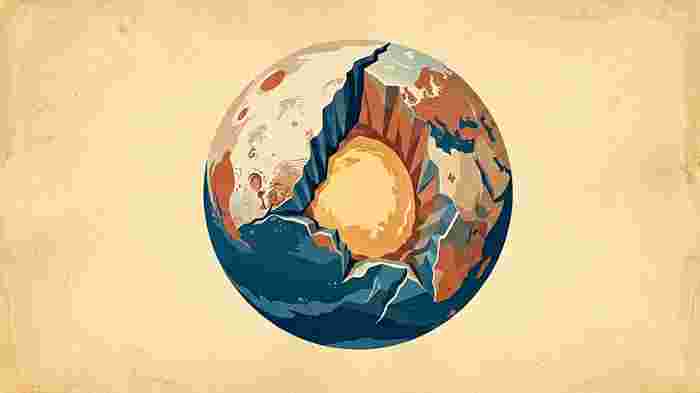
The inside of the planet is cooling down.
这颗行星内部正在冷却。
Oh, I see.
哦,我明白了。
It is getting cold slowly. Yes.
它正在缓慢变冷。是的。
When hot things get cold, they shrink. Shrink?
当热的东西变冷时,它们会收缩。收缩?
What does the word shrink mean?
shrink 这个词是什么意思?
Shrink means to become smaller in size.
Shrink 的意思是尺寸变小。
Oh, like a sweater in hot water.
哦,就像热水里的毛衣一样。
Yes, exactly.
是的,完全正确。
That is a very good metaphor.
那是个非常棒的比喻。
So the planet is wrinkly like an old apple. Yes.
所以这颗行星就像个老苹果一样皱巴巴的。是的。
The rocks on the surface are folding.
表面的岩石正在折叠。
Is the planet going to disappear?
这颗行星会消失吗?
No, it will not disappear.
不,它不会消失的。
It is still big.
它依然很大。
But it is smaller than we thought before.
但它比我们之前以为的要小。
Yes, it is.
是的,确实如此。
It is shrinking very fast.
它正非常快速地收缩。
Why is it shrinking so fast, Brian?
布莱恩,为什么它收缩得这么快?
Because the core of Mercury is losing heat.
因为水星的核心正在失去热量。
The core is the center of the planet? Yes.
核心就是这颗行星的中心吗?是的。
The center has hot iron inside.
中心内部有炙热的铁。
And now the iron is getting cold? Yes.
现在铁正在变冷?是的。
It is shrinking and pulling the surface down.
它正在收缩并向下拉扯表面。
Space is very interesting.
太空非常有趣。
What is next?
接下来是什么?
Next, we have exciting news about dinosaurs.
接下来,我们有关于恐龙的令人兴奋的新闻。
I love dinosaurs.
我喜欢恐龙。
They were so cool.
它们过去太酷了。
Scientists found footprints of an adult T. rex. Wow.
科学家们发现了成年霸王龙的脚印。哇。
Where did they find these footprints?
他们在哪里找到这些脚印的?
They found them in North Dakota, USA.
他们在美国北达科他州找到了它们。
Are the footprints very big, Brian?
布莱恩,这些脚印很大吗?
Yes, they are.
是的,确实很大。
They have three big toes.
它们有三个巨大的脚趾。
How many footprints did they find?
他们找到了多少个脚印?
They found four footprints in a straight line.
他们在一条笔直的线上找到了四个脚印。
So the T.
所以霸王...
rex was walking in a line? Yes.
龙是在成一条线行走吗?是的。
It was walking slowly across the land.
它正缓慢地穿过这片土地。
How fast did the big dinosaur walk?
这只大恐龙走得有多快?
It walked at four miles per hour.
它以每小时四英里的速度行走。
That is like a normal human walk. Yes.
那就像正常人类步行一样。是的。
But its steps were very long.
但是它的步幅非常长。
How long were the steps of the T. rex?
霸王龙的步幅有多长?
Its steps were 13 feet long.
它的步幅有 13 英尺长。
13 feet?
13 英尺?
That is a very big step. Yes.
那是一个非常大的步伐。是的。
We also call a step, a stride. Oh.
我们也把一步称为大步。哦。
So it had a giant stride. Yes.
所以它有着巨大的步幅。是的。
The T.
霸王龙的 T。
rex was a very tall animal.
雷克斯是一只非常高大的动物。
How old are these footprints, Brian?
布莱恩,这些足迹有多少年历史了?
They are 66 million years old.
它们有66百万年的历史了。
That is a very long time ago. Yes.
那是非常漫长的时间之前了。是的。
The T.
霸王龙的 T。
rex walked on wet mud.
雷克斯走在湿润的泥土上。
Then the mud turned into hard rock. Yes.
然后泥土变成了坚硬的岩石。是的。
Over millions of years of time.
经过数百万年的时间。
Usually we only find dinosaur bones. Yes.
通常我们只能找到恐龙的骨头。是的。
Bones do not show how they walked.
骨头不能展示它们是如何行走的。
But footprints show their movement and speed. Yes.
但脚印能显示它们的运动和速度。是的。
This is a very special discovery.
这是一个非常特殊的发现。
We have another fossil story today, right? Yes.
我们今天还有另一个化石故事,对吧?是的。
They found a mastodon in Iowa.
他们在爱荷华州发现了一头乳齿象。
What is a mastodon?
什么是乳齿象?
Is it a dinosaur? No.
它是一只恐龙吗?不是。
A mastodon is like a big elephant.
乳齿象就像一头大象。
Did it have a lot of hair? Yes.
它有很多毛发吗?是的。
It had thick hair and big tusks. Oh.
它有浓密的毛发和大长牙。哦。
Like a woolly mammoth from the Ice Age. Yes.
就像冰河时代的长毛猛犸象一样。是的。
They lived at the same time.
它们生活在同一时代。
Where did they find the mastodon fossil?
他们在哪里找到乳齿象化石的?
Some young students found it in a creek.
一些年轻的学生在一条小溪里发现了它。
A creek is a very small river, right? Yes.
小溪就是一条非常小的河,对吧?是的。
They saw a big bone in the water.
他们在水里看到一块大骨头。
What did the students do next?
学生们接下来做了什么?
They called some scientists to look at it.
他们叫来了一些科学家来看。
Did the scientists dig up the bones? Yes.
科学家们挖掘出骨头了吗?是的。
They did.
他们挖了。
They found a big skull.
他们发现了一个大头骨。
A skull is the bone of the head? Yes.
头骨就是头部的骨头吗?是的。
They also found some big teeth.
他们还发现了一些大牙齿。
How old is this mastodon fossil?
这个乳齿象化石有多少年历史了?
It is 10 ,000 years old.
它有1万年的历史了。
That is much younger than the T. rex. Yes.
那比霸王龙年轻多了。是的。
Humans lived on Earth at that time.
那时人类生活在地球上。
Did humans hunt the mastodons for food? Yes.
人类捕猎乳齿象作为食物吗?是的。
They did.
他们确实捕猎了。
They used stone tools.
他们使用石制工具。
I want to find a fossil too.
我也想找到一个化石。
You should look in your local creek, Zoe.
佐伊,你应该在你当地的小溪里寻找。
I will.
我会的。
I will look very carefully.
我会非常仔细地寻找。
Now, let us talk about a space mistake.
现在,让我们谈谈一个太空错误。
I want to hear this.
我想听听这个。
Who made it?
谁犯的这个错误?
NASA made a big mistake in 1999.
美国国家航空航天局在 1999 年犯了一个巨大的错误。
What did they do?
他们做了什么?
They sent a spacecraft to study Mars.
他们发射了一艘宇宙飞船去研究火星。
Did the spacecraft land safely on Mars?
宇宙飞船安全地降落在火星上了吗?
No, it did not.
不,它没有。
It broke into pieces.
它摔成了碎片。
Why did it break?
它为什么会解体?
Did it hit a rock? No.
它是撞上了岩石吗?没有。
It broke because of different numbers.
它的解体是因为不同的数字。
Different numbers?
不同的数字?
What do you mean?
你是什么意思?
One team of engineers used the English system.
一组工程师使用了英制系统。
Like inches, feet, and pounds? Yes.
比如英寸、英尺和磅?是的。
But another team used the metric system.
但另一组团队使用的是公制系统。
Like meters, kilometers, and kilograms? Yes.
比如米、千米和千克?是的。
That was the big problem.
那就是大问题所在。
Why did they use different systems?
他们为什么使用不同的度量衡系统?
It was a simple misunderstanding between teams.
这只是团队之间的一个简单误会。
That is a very silly mistake, Brian. Yes.
布莱恩,那真是个非常愚蠢的错误。是的。
The computer got the wrong information.
计算机接收到了错误的信息。
Where did the spacecraft go?
宇宙飞船飞到哪里去了?
It went too close to the planet Mars.
它靠火星这颗行星太近了。
Did it crash into the planet? Yes.
它坠毁在行星上了吗?是的。
The hot air of Mars destroyed it.
火星的热空气摧毁了它。
Oh no.
噢不。
How much did the spaceship cost?
这艘飞船花费了多少钱?
It cost $125 million.
它花费了 1.25 亿(125百万)美元。
$125 million? Yes.
125百万美元?是的。
That is a lot of money.
那是一大笔钱。
This is why we must check our math. Yes.
这就是为什么我们必须检查我们的数学计算。是的。
Math is very important in space travel.
数学在太空旅行中非常重要。
I will study my math more now.
我现在要更加努力地学习数学了。
Our next story is about beautiful caves.
我们的下一个故事是关于美丽的洞穴。
I love caves.
我喜爱洞穴。
They are cool and quiet. Yes.
它们凉爽又安静。是的。
Many caves have beautiful rocks inside.
许多洞穴内部都有美丽的岩石。
Are they stalactites on the ceiling? Yes.
天花板上的是钟乳石吗?是的。
They look like stone icicles.
它们看起来像石冰柱。
But now these beautiful rocks are dying. Yes.
但现在这些美丽的岩石正在消亡。是的。
Tourists are slowly hurting the stalactites.
游客们正在慢慢破坏钟乳石。
Do tourists touch the rocks with hands? No.
游客是用手触摸岩石吗?没有。
They hurt them just by breathing.
他们仅仅通过呼吸就在伤害它们。
By breathing?
通过呼吸?
How can breath hurt stone?
呼吸怎么会伤害石头呢?
When we breathe, we make carbon dioxide. Yes.
当我们呼吸时,我们会产生二氧化碳。是的。
We also make the air wet.
我们还会使空气变得潮湿。
Millions of tourists visit these caves every year.
每年有数百万游客参观这些洞穴。
That is a lot of wet air. Yes.
那可是大量的潮湿空气。是的。
The wet air changes the cave chemistry.
潮湿的空气改变了洞穴的化学成分。
What does it do to the rocks?
它对这些岩石有什么影响?
The acid in the air slowly melts them.
空气中的酸慢慢融化了它们。
Melts them?
融化它们?
Like ice in the sun? Yes.
就像阳光下的冰一样?是的。
The beautiful rocks are losing their shape.
美丽的岩石正在失去它们的形状。
That is very sad.
那非常令人悲伤。
Can we stop this? Yes.
我们能阻止这一切吗?是的。
We can limit the number of visitors.
我们可以限制游客的数量。
Or we can make tourists wear masks. Yes.
或者我们可以让游客戴上口罩。是的。
Some caves are doing that now.
一些洞穴现在正在这样做。
We must protect these ancient caves. Yes.
我们必须保护这些古老的洞穴。是的。
They take thousands of years to grow.
它们需要成千上万年的时间才能形成。
Now let us visit Sweden in the past.
现在让我们看看瑞典的过去。
The year is 1967.
那年是1967年。
What did Sweden do in 1967?
瑞典在1967年做了什么?
They changed the driving side of the road.
他们改变了道路的行驶方向。
Did they drive on the left side before?
他们以前在左侧行驶吗?
Yes, they did.
是的,他们是的。
Like in Great Britain.
就像在大不列颠一样。
Why did they want to change sides?
他们为什么想改变行驶方向?
Because all their neighbors drove on the right.
因为他们所有的邻国都在右侧行驶。
So it was safer for visitors and travel?
所以这对游客和出行来说更安全?
Yes, it was.
是的,确实如此。
But changing is very hard.
但是改变是非常困难的。
How did they change all the roads?
他们是如何改变所有道路的?
They did it in just one night.
他们只用了一个夜晚就完成了。
In one night?
在一个夜晚里?
That sounds very dangerous.
那听起来非常危险。
They stopped all traffic at 5 in the morning.
他们从早上5点开始停止了所有交通。
Did every car and bus stop? Yes.
每辆汽车和公交车都停了吗?是的。
Every vehicle stopped on the road. Vehicle?
道路上的每一辆车辆都停了下来。车辆?
What is a vehicle, Brian?
布莱恩,什么是车辆?
A vehicle is a car, bus, or truck. Okay.
车辆就是汽车、公交车或卡车。好的。
So all the vehicles stopped. Yes.
所以所有的车辆都停了下来。是的。
Then they slowly crossed the road.
然后他们慢慢地穿过了道路。
They went to the right side together? Yes.
他们一起移到了右侧?是的。
They started driving on the right side.
他们开始在右侧行驶。
Were there any big accidents that morning? No.
那天早上发生了什么重大事故吗?没有。
There were no major accidents at all.
根本没有发生任何重大的事故。
That is a very successful plan.
那是一个非常成功的计划。
Yes, it was.
是的,确实如此。
People drove very carefully.
人们开得非常小心。
I think that they were very brave.
我觉得他们非常勇敢。
Yes, they were.
是的,确实很勇敢。
It took years of planning.
这花了多年的规划。
Let us talk about Mars one more time.
让我们再谈谈火星吧。
Is there life on Mars? Maybe.
火星上有生命吗?也许吧。
What did they find on Mars?
他们在火星上发现了什么?
A robot found organic carbon in the rocks.
探测器在岩石中发现了有机碳。
Organic carbon?
有机碳?
What does that mean?
那是什么意思?
It means chemicals.
它的意思是化学物质。
Living things make these chemicals.
生物会产生这些化学物质。
So did tiny microbes live on Mars? Yes.
那么微小的微生物曾经生活在火星上吗?是的。
Maybe a long time ago.
也许在很久以前。
Microbes are very small living things, right? Yes.
微生物是非常微小的生物,对吧?是的。
You cannot see them without a tool.
没有工具你是看不到它们的。
Where did the robot find the rocks?
探测机器人是在哪里找到这些岩石的?
It found them in an old riverbed.
它是在一条古老的河床里找到它们的。
So Mars had water in the past? Yes.
所以火星过去有水?是的。
Mars was warm and wet long ago.
很久以前,火星气候温和而潮湿。
But now it is cold and dry. Yes.
但现在它寒冷而干燥。是的。
It is a very dry desert now.
它现在是一片非常干燥的沙漠。
Can we bring these rocks to Earth? No.
我们能把这些岩石带回地球吗?不能。
The rocks are still on Mars.
这些岩石仍然在火星上。
Why are they still there?
为什么它们还在那里?
Because we do not have a return rocket.
因为我们还没有返回式火箭。
We need a bigger rocket to bring them. Yes.
我们需要一枚更大的火箭来带回它们。是的。
NASA is working on a new rocket.
美国国家航空航天局(NASA)正在研发一枚新火箭。
I hope they bring the rocks back soon.
我希望他们能尽快把岩石带回来。
Me too.
我也是。
It will be a historic day.
那将是具有历史意义的一天。
Well, that is the end of our news.
好了,我们的新闻到此结束。
We learned so many cool things today.
我们今天学到了很多酷炫的知识。
Yes, we did.
是的,我们确实学到了。
We talked about Mercury.
我们聊到了水星。
And we talked about T -Rex footprints.
我们还聊到了暴龙的脚印。
We talked about a big mastodon in Iowa.
我们聊到了爱荷华州的一只巨大乳齿象。
We also talked about NASA's math mistake.
我们还聊到了 NASA 的数学错误。
And we talked about caves, Sweden and Mars.
我们还聊到了洞穴、瑞典和火星。
Now we have a question for you. Yes.
现在我们有一个问题要问你。是的。
Here is our fun question today.
这是我们今天有趣的问题。
If you could travel to Mars, would you go?
如果你能前往火星旅行,你会去吗?
That is a very interesting question.
那是一个非常有趣的问题。
Please write your answer in the comment section.
请在评论区写下你的答案。
Or you can read other people's answers there.
或者你也可以在那里阅读其他人的回答。
We love to read all your comments.
我们很喜欢阅读大家的所有评论。
Please subscribe to our show and share it.
请订阅我们的节目并分享给他人。
Tell your friends about TalkCast.
向你的朋友介绍 TalkCast 吧。
They can learn English with us too.
他们也可以和我们一起学习英语。
Remember, you can find the text online.
记住,你可以在网上找到文稿。
Go to our website, www .talkcast .top.
请访问我们的网站,www.talkcast.top。
Or find us on WeChat.
或者在微信上找到我们。
Search for TalkCast.
搜索 TalkCast。
We post the text and audio regularly.
我们会定期地发布文稿和音频。
Have a wonderful and curious day.
祝你度过美好而充满好奇心的一天。
See you next time.
我们下次再见。
Goodbye, everyone.
再见,大家。