Interactive transcript · 186 lines
Hello, everyone, and welcome back to TalkCast.
大家好,欢迎回到TalkCast节目。
I am your host, Emma.
我是你们的主持人,艾玛。
On this show, we love to bring you deep dives into science, technology, and health, all while
在本节目中,我们喜欢为你深入探讨科学、科技和健康,同时
helping you improve your English listening skills.
帮助你提高你的英语听力技能。
Today, we are discussing a topic that is highly relevant to anyone who travels, works at a desk, or
今天,我们正在讨论一个与任何旅行、伏案工作或……的人高度相关的话题
loves long road trips.
热爱长途自驾旅行的人。
During the recent National Day holiday, a dramatic news story caught everyone's attention.
在最近的国庆假期期间,一条轰动的新闻吸引了所有人的注意。
A 38 -year -old man, eager to get home, drove for seven hours straight, without taking a single break.
一个38岁的男子,急切想回家,连续开了七个小时的车,中间没有休息一次。
Shortly after arriving, he developed severe leg swelling, chest pain, and shortness of breath.
到达后不久,他出现了严重的腿部肿胀、胸痛和呼吸急促。
He was rushed to the hospital and diagnosed with a life -threatening acute pulmonary embolism.
他被紧急送往医院,并被诊断为危及生命的急性肺栓塞。
This condition is closely linked to what is commonly known as economy class syndrome, or
这种情况与人们所通常知道的经济舱综合征密切相关,或者
scientifically, deep vein thrombosis.
从科学上讲,即深静脉血栓形成。
To help us understand what this is, why it happens, and how we can protect ourselves, ourselves.
为了帮助我们理解这是什么,为什么会发生,以及我们如何保护我们自己,我们自己。
We are joined today by Dr.
今天加入我们的是……博士
Brian, a leading vascular specialist and professor of cardiovascular medicine.
布莱恩,一位顶尖的血管专家兼心血管医学教授。
Welcome to TalkCast, Brian.
欢迎来到TalkCast,布莱恩。
Thank you, Emma.
谢谢你,艾玛。
It is a pleasure to be here with you and your listeners.
很高兴能与你和你的听众在这里交流,这是我的荣幸。
The story you just shared is, unfortunately, more common than people think.
你刚才分享的故事,不幸的是,比人们想象的要普遍得多。
Many of us think of road trips as fun and relaxing, but sitting still for hours in a cramped car can
我们许多人认为公路旅行是有趣且放松的,但在狭窄的车里静坐几个小时
actually pose serious risks to our circulatory system.
实际上会对我们的循环系统构成严重的风险。
I am really glad we are discussing this today, because a little awareness can quite literally save lives.
我真的很高兴我们今天讨论这个,因为一点点的意识真的可以挽救生命。
Absolutely, Brian.
完全正确,布莱恩。
And let us start with the basics.
让我们从基础知识开始。
The news mentioned two terms, deep vein thrombosis, which we often call DVT, and pulmonary embolism,
新闻中提到了两个术语,我们常称之为DVT的深静脉血栓形成,以及肺栓塞,
or PE.
或者叫PE。
Could you explain what these terms actually mean in plain language?
你能用浅显的语言解释这些术语到底是什么意思吗?
Of course.
当然。
Let us break it down.
让我们把它拆解一下。
Deep vein thrombosis, or DVT, is a condition where a blood clot forms in one of the deep veins in
深静脉血栓形成,即DVT,是一种血液凝块在体内深静脉中形成的病症
your body.
在你的身体里。
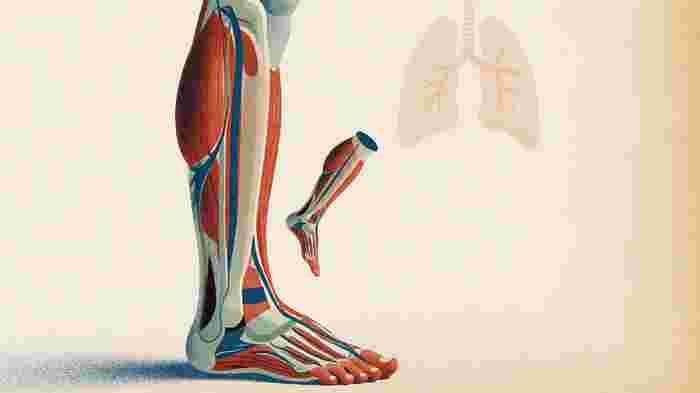
Most of the time, these clots form in the deep veins of your legs, such as your calves or thighs.
大多数时候,这些血块形成于你腿部的深静脉中,比如你的小腿或大腿。
Think of it like a traffic jam inside a pipe.
把它想象成管道里的一场交通堵塞。
Now, the real danger happens if a piece of that blood clot breaks free.
现在,真正的危险发生在如果这个血块的一小块脱落的时候。
It can travel through your bloodstream all the way to your lungs.
它可以穿过你的血流一直到达你的肺部。
Once it gets there, it can block a major blood vessel in the lungs.
一旦到达那里,它就会阻塞肺部的一条主要血管。
That blockage is what we call a pulmonary embolism, or PE.
这种阻塞就是我们所说的肺栓塞,即PE。
A pulmonary embolism is a medical emergency, because it stops blood from getting oxygen, which can
肺栓塞是一种医疗紧急情况,因为它阻止血液获得氧气,这会
cause sudden heart failure. Wow.
导致突发性心脏衰竭。哇。
So, a clot in the leg can travel all the way up to the lungs and cause a life -threatening blockage.
所以,腿部的血栓可以一路运行到肺部并引起危及生命的阻塞。
That is terrifying.
这太可怕了。
But why does simply sitting in a car or an airplane for a long time cause these blood clots to form
但是,为什么仅仅长时间坐在汽车或飞机里就会导致这些血栓形成
in the first place?
在最初的时候呢?
What is the science behind it?
这背后的科学原理是什么?
It all comes down to how our blood flows.
这归根结底取决于我们的血液是如何流动的。
You see, our heart is a very powerful pump that sends blood down to our legs through our arteries.
你看,我们的心脏是一个非常强力的泵,通过动脉把血液输送到我们的腿部。
But when it is time for that blood to go back up to the heart through our veins, the heart's pump is
但是当这些血液通过静脉流回心脏的时候,心脏的泵力
not strong enough on its own.
靠它自己不够强大。
To push the blood back up against gravity, our body relies on our leg muscles.
为了克服重力将血液推回上方,我们的身体依赖于腿部肌肉。
Every time you walk, your calf muscles contract and squeeze the veins, acting like a second heart.
每次你走路时,你的小腿肌肉就会收缩并挤压静脉,就像第二个心脏一样。
We call this the calf muscle pump.
我们称之为小腿肚肌肉泵。
Now, when you sit still for hours, like when you are driving a car or sitting on a long flight, your
现在,当你静坐数小时,比如开车或坐长途航班时,你的
leg muscles are completely inactive.
腿部肌肉完全处于不活动状态。
Without that squeezing action, the blood flow slows down and begins to pool in your lower legs.
如果没有这种挤压动作,血流就会减慢并开始在你的小腿处聚集。
When blood pools and stays stagnant, it is much more likely to stick together and form a clot.
当血液聚集并保持停滞时,它就极易凝结在一起并形成血栓。
I see.
我明白了。
So our calf muscles are like a second heart that pumps blood back up.
所以我们的小腿肌肉就像第二个心脏,将血液泵送回上方。
When we sit still, that pump is turned off and the blood pools in our legs.
当我们静坐时,这个泵就关闭了,血液就会在我们的腿部聚集。
That makes perfect sense.
这完全说得通。
Now, this condition is widely known as economy class syndrome.
现在,这种状况广为人知,被称为经济舱综合征。
Why is it called that?
为什么它被称作这个名字呢?
Is it only a danger for people flying in cheap airline seats or does it apply to drivers and desk
这只是坐廉价机票出行的人的危险,还是同样适用于司机和办公
workers too?
职员呢?
That is an excellent question, Emma.
这是一个非常出色的问题,埃玛。
The term economy class syndrome was coined because the condition was first widely noticed in airline
“经济舱综合征”这个术语之所以被创造出来,是因为这种状况最初在搭乘长途
passengers who flew long distances and cramped economy seats with very little leg room.
航班、坐在腿部空间很小的拥挤经济舱座位的乘客中被广泛注意到。
However, the name is actually a bit misleading.
然而,这个名字实际上有点误导性。
The physical trigger is not the plane itself, but the lack of movement.
身体上的诱因并不是飞机本身,而是缺乏运动。
Therefore, anyone who sits still for more than four hours is at risk.
因此,任何静坐超过四小时的人都处于危险之中。
This includes people driving long distances, passengers on buses or trains, and even office workers
这包括长途驾驶的人、坐公交车或火车的乘客,甚至是在办公桌前
or video gamers who sit at their desks for hours without standing up.
坐上数小时而不站起来的上班族或电子游戏玩家。
In fact, driving can sometimes be even more stressful because the driver is often tense and
事实上,开车有时甚至会更有压力,因为驾驶员往往处于紧张和
concentrated, which can lead to shallower breathing and poorer overall circulation.
专注的状态,这会导致呼吸变浅、整体血液循环变差。
That is a very important point for our listeners to remember.
这是我们的听众需要记住的一个非常重要的点。
It is not about the airplane.
这与飞机无关。
It is about the inactivity.
这与缺乏活动有关。
So if we are on a long road trip or working a long shift at our desks, how do we know if we are
所以,如果我们进行长途公路旅行或在办公桌前进行长时间的工作,我们怎么知道自己是否
developing a DVT?
正在患上深静脉血栓(DVT)呢?
What are the warning signs we should look out for?
我们应该留心哪些警告信号呢?
With DVT, the symptoms usually show up in one leg, not both.
对于DVT,症状通常只出现在一条腿上,而不是两条腿。
The most common signs are swelling in the calf or ankle, a persistent ache or pain that might feel
最常见的迹象是小腿或脚踝肿胀、持续的酸痛或疼痛(可能感觉
like a bad muscle cramp, warmth in the affected area, and sometimes redness or discoloration of the skin.
像严重的肌肉痉挛)、患处发热,有时皮肤会变红或变色。
Now, if the clot breaks off and travels to the lungs causing a pulmonary embolism, the symptoms
现在,如果血栓脱落并移动到肺部引起肺栓塞,这些症状
change drastically.
会发生剧烈变化。
You might experience sudden shortness of breath, sharp chest pain when breathing in, a rapid heart
你可能会经历突然的气短、吸气时胸部剧烈疼痛、心率
rate, and feeling dizzy or fainting.
加快,以及感到头晕或晕厥。
If you experience any of these chest symptoms, you must seek emergency medical help immediately.
如果你经历了任何这些胸部症状,你必须立即寻求紧急医疗帮助。
It sounds like those leg symptoms could easily be mistaken for a simple fatigue or muscle soreness
听起来那些腿部症状很容易被误认为是长途驾驶后的单纯疲劳或肌肉酸痛。
after a long drive.
经过长时间开车之后。
How can a person tell the difference between normal muscle soreness and a dangerous blood clot?
人们如何分辨正常肌肉酸痛与危险血栓之间的区别呢?
You are absolutely right, Emma.
你说得绝对对,埃玛。
It can be tricky.
这可能很棘手。
However, normal muscle soreness usually affects both legs and gets better with rest or light stretching.
然而,正常的肌肉酸痛通常会影响双腿,并且通过休息或轻度拉伸会好转。
DVT, on the other hand, typically affects only one leg.
另一方面,DVT通常只影响一条腿。
The swelling and pain of DVT do not go away when you rest.
DVT引起的肿胀和疼痛在你休息时不会消失。
In fact, the pain often gets worse when you bend your foot upward.
事实上,当你把脚趾往上弯曲时,疼痛往往会加剧。
Also, the skin over the swelling might feel noticeably warmer to the touch than the other leg.
此外,肿胀部位的皮肤摸起来可能比另一条腿明显更热。
If you have been sitting for a long time and notice these symptoms in just one leg, it is always
如果你坐了很长时间,并且注意到单条腿出现这些症状,那么
safer to have a doctor check it out.
让医生检查一下总是更安全的。
That is a great rule of thumb.
这真是一个绝佳的经验法则。
Look for asymmetry, warmth, and persistent pain in just one leg.
寻找单腿的不对称、温热和持续性疼痛。
Now, Brian, who is most vulnerable to this?
现在,布赖恩,谁最容易受到这种状况的影响?
Are some people at higher risk of developing DVT than others?
是否有些人比其他人面临更高的 DVT 发病风险?
Yes, there are several risk factors.
是的,有几个危险因素。
Well, anyone can develop DVT if they sit long enough.
嗯,如果坐得足够久,任何人都有可能患上 DVT。
The risk is higher for older adults, people who are overweight, smokers, pregnant women, and those
对于老年人、超重者、吸烟者、孕妇以及……风险更高
with a family history of blood clotting disorders.
有凝血障碍家族史的人,风险更高。
Additionally, if you have recently had surgery or if you have a medical condition like heart disease
此外,如果你最近做过手术,或者有心脏病等病史
or cancer, your risk increases.
或癌症,你的风险就会增加。
But lifestyle plays a huge role too.
但生活方式也扮演着重要角色。
Dehydration is a major risk factor.
脱水是一个主要的危险因素。
When you do not drink enough water, your blood becomes thicker and more viscous, which makes it much
当你喝水不足时,你的血液会变得更浓、更黏稠,这使得……
easier for clots to form.
血栓更容易形成。
Ah, dehydration is a key factor.
啊,脱水是一个关键因素。
That is very interesting.
这非常有趣。
And it makes sense why drivers might get dehydrated.
这就解释了为什么司机可能会脱水。
Many drivers intentionally avoid drinking water on long trips because they do not want to stop for
许多司机在长途旅行中故意避免喝水,因为他们不想停下来……
bathroom breaks.
上厕所休息。
But it sounds like that is actually very dangerous. Exactly.
但听起来这其实非常危险。确实如此。
That is one of the biggest mistakes drivers make.
这是司机常犯的最大错误之一。
They skip water to save time, but they are actually creating a perfect storm for a blood clot.
他们为了省时间而不喝水,但实际上他们正在为血栓酝酿一场完美风暴。
Thick, dehydrated blood combined with hours of sitting.
黏稠、脱水的血液与数小时的久坐相结合。
Drinking water is crucial.
多喝水是至关重要的。
It keeps your blood flowing smoothly.
它能让你的血液流畅循环。
And as a bonus, it forces you to take regular bathroom breaks, which gets you moving.
作为一个额外的好处,它会迫使你定期上厕所,从而让你动起来。
That is a brilliant connection.
这是一个绝妙的联系。
Drink water to force yourself to move.
喝水来迫使自己活动。
So let us talk about prevention.
所以我们来谈谈预防。
What are your top practical tips for our listeners to avoid DVT and stay safe, whether they are
对于我们的听众来说,有哪些顶级实用建议可以避免 DVT 并保持安全……
driving, flying, or working at a desk?
无论他们是在开车、坐飞机还是在办公桌前工作?
My number one rule is what I call the rule of two.
我的第一大规则是我所称的“二法则”。
For every two hours of sitting, you should stand up and move for at least 10 minutes.
每坐两个小时,你应该站起来活动至少 10 分钟。
If you are driving, pull over at a service station.
如果你在开车,在服务站靠边停车。
Get out of the car, stretch, and walk around.
下车,伸展一下,到处走走。
If you are on a plane or train, walk up and down the aisle.
如果你在飞机或火车上,沿着过道来回走动。
If you are at a desk, stand up, stretch, or do a quick walk around the office.
如果你在办公桌前,站起来、伸展一下,或者在办公室里快速走动一下。
Second, stay hydrated.
第二,保持水分。
Drink plenty of water and avoid excessive alcohol or caffeine, which can dehydrate you.
多喝水,避免过量的酒精或咖啡因,这会让你脱水。
Third, if you absolutely cannot stand up, for example, if you are stuck in traffic, you can do
第三,如果你绝对无法站起来,例如堵车时,你可以……
simple exercises while sitting.
坐着做一些简单的运动。
You can rotate your ankles, lift your toes up and down, and squeeze your calf muscles.
你可以旋转脚踝,上下抬起脚趾,并收紧小腿肌肉。
These simple movements help activate that calf muscle pump we talked about.
这些简单的动作有助于激活我们之前讨论过的小腿肌肉泵。
Those are fantastic and very practical tips.
这些都是极好且非常实用的建议。
I love the rule of two.
我喜欢这个二法则。
It is so easy to remember.
它太容易记住了。
And those foot exercises are something anyone can do, even while sitting at a computer or riding in
那些脚部运动任何人都可以做,甚至在电脑前坐着或乘车时也可以。
a car.
乘汽车时。
What about compression socks?
压力袜怎么样?
We often hear about travelers wearing them.
我们经常听说旅客穿它们。
Do they actually help?
它们真的有帮助吗?
Yes, they absolutely do.
是的,它们绝对是这样的。
Graduated compression socks are highly effective.
渐进式压力袜非常有效。
They are designed to be tightest at the ankle and gradually get looser as they go up the leg.
它们被设计成在脚踝处最紧,随着往腿上延伸而逐渐变松。
This pressure gradient helps push the blood back up toward the heart, preventing it from pooling in
这种压力梯度有助于将血液推回心脏,防止其在
the lower legs.
下肢积聚。
If you are planning a flight or a drive that lasts longer than four hours, or if you know you have
如果您在计划一次超过四个小时的飞行或驾车,或者如果您知道自己有
high risk factors, wearing a pair of compression socks is a very smart and simple preventative measure.
高危因素,穿一双压力袜是一个非常明智且简单的预防措施。
That is wonderful to know.
太棒了,很高兴知道这一点。
Thank you so much, Dr.
非常感谢,博士。
Bryan, for sharing such valuable and potentially life -saving insights with us today.
布莱恩,感谢你今天与我们分享如此宝贵且潜在挽救生命的见解。
It is clear that while long trips and focused work sessions are a part of modern life, we must never
很明显,虽然长途旅行和专注的工作阶段是现代生活的一部分,但我们绝不能
neglect our body's basic need for movement and hydration.
忽视身体对运动和水分的基本需求。
My pleasure, Emma.
我的荣幸,艾玛。
Remember, your body is designed to move.
记住,你的身体就是为运动而设计的。
Take care of your veins, and they will take care of you.
照顾好你的静脉,它们就会照顾好你。
Safe travels and healthy sitting to everyone.
祝大家出行平安,坐得健康。
Thank you, Brian.
谢谢你,布莱恩。
Well, dear listeners, we have reached the end of today's episode.
好了,亲爱的听众朋友们,我们今天的节目已经接近尾声。
Let us quickly summarize the main takeaways.
让我们快速总结一下主要的收获。
Deep vein thrombosis, or DVT, is a blood clot that forms in deep veins, usually in the legs, due to
深静脉血栓形成,即DVT,是一种在深静脉中形成的血块,通常在腿部,由于
prolonged inactivity.
长期缺乏活动。
It can travel to the lungs and cause a deadly pulmonary embolism.
它可能会游走到肺部并导致致命的肺栓塞。
To prevent it, remember the rule of two.
为了预防它,请记住“二的法则”。
Move for 10 minutes every two hours, stay well hydrated, and try some simple leg exercises, even
每两小时活动 10 分钟,保持充足的水分,并尝试做一些简单的腿部运动,甚至
when sitting down.
在坐着的时候也是如此。
Now, before we go, here is an interesting question for you based on today's show.
现在,在我们离开之前,这里有一个基于今天节目的有趣问题。
What is the biological mechanism in our legs that acts like a second heart to pump blood back up
我们腿部有什么生物机制,可以像第二个心脏一样把血液泵回
against gravity?
对抗重力?
Please write down your answer in the comment section below, or check out what other listeners have written.
请在下方的评论区写下你的答案,或者看看其他听众写了什么。
If you enjoyed this episode, please join our Talkcast membership, subscribe to our channel, share
如果你喜欢这一集,请加入我们的 Talkcast 会员,订阅我们的频道,分享
this episode with your friends, and leave us your valuable feedback.
这一集分享给你的朋友,并给我们留下你宝贵的反馈。
Your support keeps us going.
你的支持是我们前进的动力。
As a reminder, the English transcript and audio of this series are regularly published on our
提醒一下,本系列的英文文稿和音频会定期发布在我们的
website at www .talkcast .top, and on our WeChat official account, Talkcast.
网站 www.talkcast.top 以及我们的微信官方账号 Talkcast 上。
Be sure to check them out.
请务必去看看。
Thank you for listening, stay healthy, and see you next time on Talkcast.
谢谢收听,保持健康,我们下期 Talkcast 再见。