Interactive transcript · 147 lines
Hello and welcome to TalkCast.
哈喽,欢迎收听 TalkCast。
I'm your host, Charles.
我是你的主持人查尔斯。
In each episode, we bring you deep, engaging conversations with experts to turn complex knowledge
在每一期节目中,我们都会带来与专家深刻且引人入胜的对话,将复杂的知识
into simple, practical tips for your daily life.
转化为适合日常生活的简单、实用的小贴士。
It is also the perfect place for English learners to practice listening.
这也是英语学习者练习听力的绝佳之地。
Today, we dive into a daily habit, drinking water.
今天,我们将深入探讨一个日常习惯——喝水。
A recent health report warns that by the time you actually feel thirsty, your body has already lost
最近的一份健康报告警告说,当你真正感到口渴时,你的身体其实已经失去了
about 1 % of its water, meaning you are already mildly dehydrated.
大约 1% 的水分,这意味着你已经处于轻度脱水状态。
To understand what this does to our brains and energy, we are joined by Dr.
为了了解这对我们的大脑和精力有何影响,莎拉博士加入了我们,
Sarah, a leading nephrologist and hydration specialist.
莎拉是一位顶尖的肾脏病学家和补水专家。
Welcome, Sarah.
欢迎你,莎拉。
Thank you, Charles.
谢谢你,查尔斯。
I'm thrilled to be here.
我非常高兴能来到这里。
Hydration is such a fundamental part of health, yet so many of us get it wrong.
补水是健康极其基础的一部分,但我们中很多人都做错了。
I'm excited to share some insights today.
我今天很高兴能分享一些见解。
Let's start with that 1 % figure.
让我们从 1% 这个数字开始吧。
It sounds tiny, but why does the report say that feeling thirsty means we are already dehydrated?
这听起来微不足道,但为什么报告说感到口渴就意味着我们已经脱水了?
What is happening inside us?
我们体内究竟发生了什么?
Our bodies are about 60 % water.
我们的身体大约有 60% 是水分。
When we lose just 1 % of that, our blood becomes slightly more concentrated or thicker.
当我们仅失去其中 1% 的水分时,我们的血液就会变得更浓或更粘稠。
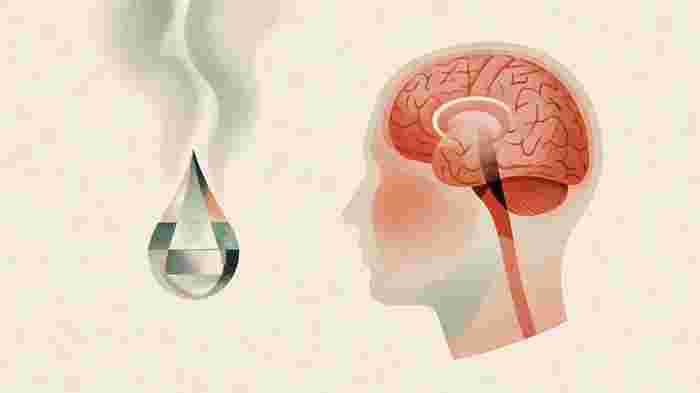
In our brain, a region called the hypothalamus has specialized sensors called osmoreceptors that
在我们的大脑中,一个叫做下丘脑的区域拥有被称为渗透压感受器的专门传感器,
detect this change instantly.
能瞬间察觉到这种变化。
It immediately sends a signal to make your salivary glands produce less saliva, which makes your
它会立即发出信号,让你的唾液腺减少唾液分泌,从而使你的
mouth feel dry.
嘴巴感到发干。
At the same time, it creates the feeling of thirst in your conscious mind.
同时,它会在你的显意识中产生口渴的感觉。
So thirst is not an early warning.
因此,口渴并不是早期预警。
It is actually your brain's emergency signal telling you that your water reserves are already
它实际上是你大脑发出的紧急信号,提醒你你的水储备已经
running low.
偏低了。
You are already lagging behind.
你其实已经落后了。
That makes sense.
这很有道理。
It's like a low battery light on our phones.
就像我们手机上的低电量指示灯。
But what are the silent effects of this mild dehydration before we even realize we need water?
但在我们甚至没意识到需要喝水之前,这种轻度脱水有什么隐蔽的影响呢?
Even at just 1 % dehydration, your cognitive performance suffers.
哪怕只有 1% 的脱水,你的认知能力也会受到损伤。
Research shows it can lead to a drop in concentration, slower reaction times, and short -term memory issues.
研究表明,这会导致注意力下降、反应变慢以及短期记忆问题。
For students or office workers, you might feel easily distracted or struggle with creative tasks
对于学生或上班族来说,你可能会容易分心或在创造性任务中遇到困难,
without realizing it's a water issue.
却没有意识到这是缺水的问题。
Also, your physical energy drops.
此外,你的体力也会下降。
When you are dehydrated, your blood volume decreases slightly, meaning your heart has to work harder
当你脱水时,你的血容量会略有减少,这意味着你的心脏必须更费力地工作
to pump blood.
来泵送血液。
This leads to unexplained fatigue and a feeling of sluggishness.
这会导致莫名其妙的疲劳感和迟钝感。
So before reaching for afternoon coffee, you might just need a simple glass of water.
因此,在下午伸手拿咖啡之前,你可能只需要一杯简单的水。
I've definitely experienced that afternoon slump.
我绝对经历过那种下午的低谷期。
What about headaches?
那头痛呢?
Many people say they get a headache when they don't drink enough water.
很多人说当他们喝水不足时会头痛。
Is there a scientific reason for that?
这有什么科学依据吗?
Yes, absolutely.
是的,绝对如此。
Dehydration headaches are very real and very common.
脱水性头痛非常真实,而且非常常见。
When your body is low on water, your brain tissue can actually lose fluid and shrink slightly,
当你的身体缺水时,你的大脑组织实际上会失去流体并稍微收缩,
pulling away from the skull.
远离颅骨。
This temporary shrinking puts pressure on the pain receptors around the brain, causing a headache.
这种暂时的收缩会对大脑周围的疼痛感受器施加压力,从而引发头痛。
Once you rehydrate, your brain expands back to its normal size and the headache usually goes away.
一旦你补充水分,你的大脑就会恢复到正常大小,头痛通常也会消失。
Also, because your blood vessels constrict to keep your blood pressure stable, it reduces blood flow
此外,由于你的血管会收缩以保持血压稳定,这会减少血流量
and oxygen to the brain, which also contributes to the pain.
以及输送到大脑的氧气,这也会导致疼痛。
So drinking water is often the best headache medicine.
因此,喝水通常是治疗头痛最好的药物。
Our brains actually shrink.
我们的大脑实际上会萎缩。
That is a scary but vivid picture.
那是一个可怕但生动的画面。
Now, Sarah, let's talk about the famous rule.
现在,莎拉,让我们讨论一下那个著名的法则。
Drink eight glasses of water a day.
每天喝八杯水。
Is this a scientific fact or is it a myth?
这是一个科学事实,还是一个误区?
It's mostly a myth, or at least a major oversimplification.
这大多是一个误区,或者至少是严重的过于简单化。
While two liters, which is about eight glasses, is a good general guideline, there is no scientific
虽然两升(大约八杯)是一个很好的通用指南,但并没有科学
proof that everyone needs this exact amount.
证据表明每个人都需要这个确切的分量。
Our water needs are highly individual.
我们对水的需求是高度因人而异的。
They depend on your weight, diet, activity level, and the climate you live in.
它们取决于你的体重、饮食、活动量以及你所生活的气候。
For example, a tall athlete training in a hot environment needs much more water than someone sitting
例如,在炎热环境下训练的高个子运动员比坐着的人需要更多的水
in a cool, air -conditioned office.
在凉爽、开着空调的办公室里。
Plus, people forget that we actually get a lot of water from the food we eat.
此外,人们忘记了我们实际上从所吃的食物中获取了大量的水。
That is a great point.
这是一个非常好的观点。
We don't just get water from cups.
我们不仅仅是从杯子里获取水。
What kinds of foods are good for hydration, and how much of our water comes from what we eat?
哪些食物有利于补水,我们摄入的水分有多少来自食物?
On average, about 20 % of our daily water intake comes from food.
平均而言,我们每天水摄入量的大约 20% 来自食物。
Many fruits and vegetables are over 90 % water.
许多水果和蔬菜的水分含量超过 90%。
Excellent examples are watermelons, strawberries, cucumbers, and celery.
绝佳的例子包括西瓜、草莓、黄瓜和芹菜。
Eating these foods hydrates you slowly because the water is trapped inside the food's cellular
吃这些食物可以缓慢地为你补充水分,因为水被锁在食物的细胞
structure, giving you a steady, slow -release hydration.
结构中,为你提供稳定、缓慢释放的水分。
Plus, you get vitamins, minerals, and fiber, which is a wonderful bonus for your gut health.
此外,你还能获得维生素、矿物质和纤维,这对你的肠道健康是一个极好的额外好处。
So a fresh cucumber or watermelon is like eating your water.
因此,吃一根新鲜的黄瓜或一块西瓜就像是在吃水一样。
Now, let's look at the other side.
现在,让我们看看另一面。
Is it possible to drink too much water?
喝太多水是可能的吗?
Can overhydration actually be dangerous?
水分过度摄入实际上会危险吗?
Yes, it can.
是的,确实会。
While it is rare for healthy people, drinking a massive amount of water in a very short time can
虽然对于健康人群来说这很罕见,但在极短时间内饮用大量的水可能会
cause a dangerous condition called hyponatremia, or water intoxication.
引发一种名为低钠血症(即水中毒)的危险状况。
This happens when the excess water dilutes the sodium levels in your blood.
当过多的水分稀释了你血液中的钠浓度时,就会发生这种情况。
Sodium is an essential electrolyte that balances fluid inside and outside your cells.
钠是一种至关重要的电解质,能够维持细胞内外体液的平衡。
When sodium drops too low, water enters your cells, causing them to swell.
当钠含量降得过低时,水分会进入细胞,导致细胞膨胀。
If this happens in your brain, it can lead to confusion, headaches, seizures, and in severe cases,
如果这发生在你的大脑中,可能会引发意识混乱、头痛、抽搐,在严重情况下,
it can even be fatal.
它甚至可能是致命的。
This is why athletes must balance water with electrolytes.
这就是为什么运动员必须在水分与电解质之间保持平衡。
So balance is everything.
因此,平衡决定一切。
Too little water and our brains shrink.
水分太少,我们的大脑就会萎缩。
Too much and they swell.
水分过多,它们就会膨胀。
How can we find the perfect balance?
我们怎样才能找到完美的平衡点呢?
Is there an easy way to check our hydration level?
有没有一种简单的方法来检查我们的水合水平?
Yes, there is a very simple and reliable test.
是的,有一个非常简单且可靠的检测方法。
Check the color of your urine.
检查你尿液的颜色。
This is your body's built -in hydration gauge.
这是你身体自带的水分测量计。
Ideally, your urine should be a pale, straw -like yellow, like light lemonade.
理想情况下,你的尿液应该呈浅淡的稻草黄色,就像淡柠檬水一样。
If it's completely clear, you might be drinking too much.
如果它是完全透明无色的,你可能喝水太多了。
If it's a dark yellow or orange, your kidneys are trying to save water, which means you are
如果呈深黄色或橙色,说明你的肾脏正在努力保存水分,这意味着你
dehydrated and need to drink immediately.
处于脱水状态,需要立即喝水。
Also, a well -hydrated person usually urinates four to seven times a day.
此外,水分充足的人通常每天排尿四到七次。
If you find you haven't been all day, it's a warning sign.
如果你发现自己一整天都没去排尿,这是一个警告信号。
Pale yellow, like light lemonade.
淡黄色,就像稀释的柠檬水。
Easy to remember.
很容易记住。
Now, how we drink also matters, right?
那么,我们怎么喝水也同样重要,对吧?
Is it better to sip water slowly or can we just drink a large bottle all at once?
慢慢小口喝水更好,还是我们可以一口气喝下一大瓶?
Sipping is much better.
小口慢饮要好得多。
Your body can only absorb about 20 ounces of water per hour.
你的身体每小时只能吸收大约20盎司的水。
If you chug a giant bottle all at once, most of it will pass straight through your system to your
如果你一口气大口猛喝一大瓶水,大部分水会直接穿过你的身体系统流向你的
bladder without actually hydrating your cells.
膀胱,而无法真正补充细胞的水分。
By sipping water consistently throughout the day, you give your body time to absorb it efficiently.
通过全天持续小口喝水,你可以给身体足够的时间来高效吸收。
Keeping a reusable bottle at your desk and taking a sip every 20 minutes is a perfect habit.
在桌上放一个可重复使用的水瓶,每20分钟喝一口,这是一个完美的习惯。
It keeps your hydration level stable and prevents sudden drops in energy and concentration.
它能保持你的水合水平稳定,并防止精力与注意力突然下降。
Excellent advice.
非常棒的建议。
Proactive, consistent sipping is key.
主动且持续地小口喝水是关键。
As we finish our conversation, what is the most important message you want our listeners to take
当我们的对话接近尾声时,您最希望听众能够领取的最重要信息
away today?
带走的是什么呢?
I want listeners to remember, don't wait for your body to scream before you drink.
我希望听众记住,不要等到身体发狂般呐喊时才去喝水。
Make hydration a proactive habit.
让补水成为一种积极主动的习惯。
Start your morning with a glass of water to wake up your body and organs after sleep.
清晨喝一杯水,在睡眠后唤醒你的身体和器官。
Keep a water bottle near you and let your urine color guide you.
随身带个水瓶,让你的尿液颜色来指引你。
It is the easiest, cheapest, and most effective way to boost your brain power and protect your health.
这是提升脑力、保护健康最简单、最便宜且最有效的方法。
Proactive hydration.
主动补水。
Thank you so much, Dr.
非常感谢您,博士。
Sarah, for joining us on TalkCast today and sharing these wonderful practical tips with us.
莎拉,感谢您今天来到 TalkCast,并与我们分享这些绝妙的实用技巧。
It was my pleasure, Charles.
这是我的荣幸,查尔斯。
Thank you for having me and happy hydrating to everyone.
感谢邀请我,祝大家补水愉快!
And to our listeners, thank you for joining us on TalkCast.
同时也感谢我们的听众收听 TalkCast。
We hope this episode helps you stay healthy and gives your English listening skills a great boost.
我们希望这一期节目能帮助您保持健康,并极大地提升您的英语听力水平。
Before you go, here is our fun question for today.
在您离开之前,这是我们今天的一个有趣的问题。
What color should your urine be if you are properly hydrated?
如果水分补充适当,你的尿液应该是什么颜色的?
And name one water -rich food she mentioned.
并列举一种她提到的富含水分的食物。
Please write down your answer in the comments section below or check out the comments to see other
请在下方评论区写下您的答案,或者查看评论区了解其他
listeners' answers.
听众的答案。
We would love to hear from you.
我们非常期待听到您的声音。
If you enjoy our show, please consider joining our TalkCast membership.
如果您喜欢我们的节目,请考虑加入 TalkCast 会员。
By becoming a member, you will get access to exclusive learning materials.
成为会员后,您将能够获得独家学习资料。
Don't forget to subscribe, share this episode with your friends, and give us your feedback.
别忘了订阅、与朋友分享本期节目,并给我们提出反馈。
We appreciate your support so much.
我们非常感谢您的支持。
As a final reminder, the complete English text and audio for this episode will be posted regularly
作为最后的提醒,本期节目的完整英文文本和音频将定期发布
on our official website at www .talkcast .top.
在我们的官方网站 www.talkcast.top 上。
And on our WeChat official account, which is also called TalkCast.
以及我们的微信官方账号上,该账号也叫 TalkCast。
Head over there to check them out.
快前往那里查看吧。
Keep learning, keep listening, and keep sipping your water.
保持学习,保持倾听,并继续小口喝水。
Until next time on TalkCast, I'm Charles, signing off.
下期 TalkCast 再见,我是查尔斯,签退。
Take care.
保重。