Interactive transcript · 147 lines
Hello, and welcome to TalkCast, the podcast where we explore technology, society, and the changing
大家好,欢迎收听 TalkCast,这是一档探讨科技、社会以及不断变化的 播客 节目,
ways we connect with one another.
探索我们彼此 连接 的方式。
I am your host, Chloe.
我是你们的 主持人 克洛伊。
Have you ever joined a new project meeting and felt completely lost because people were throwing
你是否曾参加过一个新项目会议,因为大家都在抛出各种词汇而感到 完全 摸不着头脑,
around strange acronyms?
只因那些陌生的 首字母缩写?
Or maybe you scrolled through social media and saw slang terms that looked like secret code.
又或者你浏览社交媒体时,看到了看起来像暗号一样的 俚语 表达。
Today, internet buzzwords and corporate jargon seem to be everywhere.
如今,网络流行语和企业 行话 似乎无处不在。
We hear people talking about aligning granularities or unlocking bottom logic.
我们听到人们讨论对齐 颗粒度 或打通底层逻辑。
But are these phrases really making us more efficient, or are they building invisible walls between us?
但这些表达真的让我们变得更 高效 吗,还是在彼此之间建起了无形的墙?
Joining me today to unpack this fascinating topic is Professor Daniel, an expert in sociolinguistics
今天和我一起解读这个有趣话题的是丹尼尔教授,他是 社会语言学
and workplace communication.
和职场 沟通 专家。
Daniel, thank you so much for joining us on TalkCast.
丹尼尔,非常感谢您 做客 TalkCast。
Thank you for having me, Chloe.
感谢克洛伊 邀请 我。
It is wonderful to be here.
能来到这里真的 太棒了。
This is an issue that affects nearly everyone, whether you are chatting online with friends or
这是一个几乎 影响 到每个人的问题,无论你是和朋友在线聊天,还是
trying to survive your first week at a corporate job.
试图在企业工作的第一周 挺过去。
Language is meant to connect us, but quite often today it ends up pushing people apart.
语言本是为了连接我们,但如今往往反而将人们推得更 疏远。
That is so true.
确实 没错。
Let us start with internet slang.
让我们先从网络 俚语 聊起。
Today, young people invent new words at lightning speed.
如今,年轻人以闪电般的速度 创造 新词。
We see acronyms, homophones, and gaming references everywhere online.
我们在网上到处都能看到首字母缩写、同音词 和游戏梗。
Daniel, why do you think internet slang has become so powerful in our digital lives?
丹尼尔,你认为为什么网络俚语在我们的数字生活中变得如此 影响深远?
Internet slang essentially functions as social currency.
网络俚语 本质上 起到了社交货币的作用。
In the virtual world, attention is fast and space is limited.
在 虚拟 世界中,注意力转移很快,空间也有限。
When people use abbreviations or playful puns, they are doing two things at once.
当人们使用 缩写 或幽默的双关语时,他们实际上一举两得。
First, they type faster and convey emotions quickly.
首先,他们打字更快,能迅速 传达 情绪。
Second, and more importantly, slang serves as a social badge.
其次,更重要的是,俚语充当了一种社交 身份标识。
When you use a specific term from a gaming community or a trending meme, you are signaling that you
当你使用来自游戏社区或热门梗的特定表达时,你是在 表明 你
belong to that group.
属于 那个群体。
It's like an instant digital handshake that says, I am one of you.
这就像一个 即时 的数字握手,在说:我是你们自己人。
So, it creates an immediate sense of identity and belonging.
因此,它创造了一种即时的 身份认同 和归属感。
But on the other side of that coin, does it also create barriers for anyone outside that specific group? Absolutely.
但在问题的另一面,它是否也为该群体之外的人制造了 障碍?绝对是的。
Sociolinguists call this the in -group and out -group dynamic.
社会语言学家将这种现象称为内群体与外群体的 动态机制。
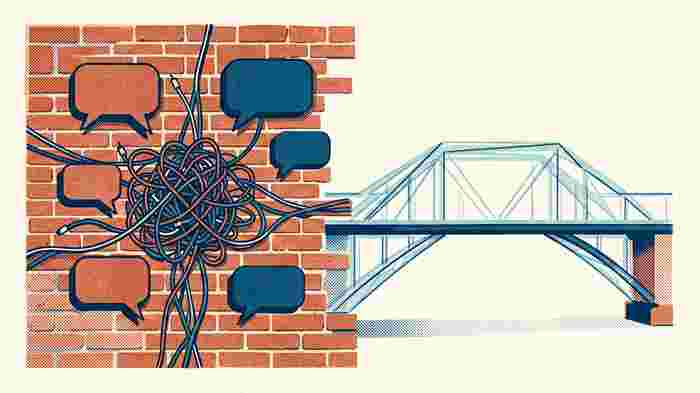
While slang builds a cozy campfire for insiders, it constructs a linguistic wall for outsiders.
俚语虽然为圈内人圈出了一座温馨的篝火,但也为局外人 构建 了一堵语言之墙。
For example, parents trying to talk to their teenagers often feel like they are learning a foreign language.
例如,试图和青少年沟通的父母常常觉得自己像是在学一门 外 语。
Another key feature of internet slang is its rapid turnover.
网络俚语的另一个主要特征是其快速的 更替。
Most slang words have a very short lifespan.
大多数俚语词汇的 寿命 都非常短。
A term can be wildly popular in March and completely outdated by October.
一个词可能在三月还风靡一时,到了十月就完全 过时 了。
This high turnover rate can turn everyday conversations across generations into a modern tower of Babel.
这种高速的更替率会使跨 世代 的日常对话变成现代版的巴别塔。
That brings us directly into the corporate world, where we see a very similar pattern with technical
这就把我们直接带到了 职场 世界,在那里我们看到了与专业技术
acronyms and workplace jargon.
首字母缩写 和职场行话非常相似的模式。
We hear terms like KPI, CBC in medicine, or ROI in finance.
我们听到像 KPI、医学中的 CBC 或 金融 中的 ROI 这样的术语。
Daniel, was the original intention behind these acronyms simply to boost productivity?
丹尼尔,这些缩写词背后的最初意图只是为了提高 生产力 吗?
Yes, absolutely.
是的,确实如此。
Within a specialized group of experts, shorthand is an incredible efficiency tool.
在专业专家群体中,简写 是一种不可思议的高效工具。
If two doctors or two software engineers are discussing a complex problem, using established
如果两位医生或两位软件工程师在讨论一个 复杂 的问题,使用约定俗成的
acronyms saves time and maintains precision.
首字母缩写可以节省时间并保持 精准度。
The trouble starts when that specialized vocabulary spills outside the inner circle.
当那些 专业 词汇溢出到内部圈子之外时,麻烦就来了。
To a newcomer, an intern, or a client, an email packed with acronyms looks like encrypted Morse code.
对于新人、实习生或客户来说,一封装满缩写词的电子邮件看起来就像 加密 的摩斯密码。
It drains cognitive energy and makes people feel anxious.
它会消耗 认知 精力,让人们感到焦虑。
That brings us to what many people call corporate buzzwords or workplace jargon.
这就引出了许多人所谓的企业流行语或职场行话。
We often see people using phrases that sound very grand, but when you look closer, they could have
我们经常看到人们使用听起来非常宏大的短语,但仔细观察就会发现,他们本可以
just used simple words.
只使用简单的词汇。
Daniel, what is going on psychologically when people overuse heavy jargon?
丹尼尔,当人们过度使用大量行话时,从心理学角度来看是怎样的?
This is where research reveals something quite surprising.
正是在这里,研究揭示了一些相当令人惊讶的现象。
Many people assume that using complex jargon is a sign of high competence.
许多人假设使用复杂的行话是高能力的体现。
But behavioral studies, including observations highlighted by organizational psychologist Adam
但行为学研究,包括组织心理学家亚当·
Grant, show the exact opposite.
格兰特所强调的观察,展示了完全相反的情况。
Research indicates that individuals with lower status or lower confidence in an organization
研究表明,组织中地位较低或自信心不足的个人
actually tend to use more jargon.
实际上往往倾向于使用更多的行话。
Professor Grant pointed out that jargon is often not a mark of expertise, but a shield for insecurity.
格兰特教授指出,行话往往不是专业知识的标志,而是缺乏安全感的防具。
People lean on big corporate words to compensate for their lack of status, hoping it will make them
人们依赖高深的企业词汇来弥补他们地位的不足,希望这能让他们
look more authoritative.
看起来更具权威性。
That is such an eye -opening perspective.
这真是一个让人大开眼界的视角。
Jargon as a shield for insecurity rather than true expertise.
行话是缺乏安全感的盾牌,而非真正的专业知识。
Could you elaborate on why lower status individuals feel the need to use that shield?
您能否详述一下为什么地位较低的人觉得需要使用那个盾牌?
Think about it from the perspective of human psychology.
从人类心理学的角度来思考这个问题。
If you feel insecure about your standing in a company, you worry about being judged or seen as inexperienced.
如果你对自己在公司的地位感到缺乏安全感,就会担心被评价或被视为缺乏经验。
You believe that plain language might make your ideas sound trivial.
你认为平实的语言可能会让你的想法听起来微不足道。
So instead of saying, let us share our notes, someone might say, let us synchronize our granular touchpoints.
因此,与其说“让我们共享笔记”,有人可能会说“让我们同步细化接触点”。
They dress up simple thoughts in fancy verbal suits.
他们用华丽的语言外衣包装简单的想法。
True experts, on the other hand, are comfortable with their knowledge.
另一方面,真正的专家对自己的知识感到自如。
They take pride in clarity and strive to explain complex matters in simple terms.
他们以清晰为傲,并努力用简单的语言解释复杂的事情。
That makes so much sense.
这非常有道理。
But when a workplace is filled with this artificial language, how does it affect team collaboration
但是,当工作场所充斥着这种矫揉造作的语言时,它会如何影响团队协作
and culture?
和文化?
It harms team collaboration in very real ways.
它以非常真实的方式损害团队协作。
First, it breeds professional arrogance, creating a sense of superiority among those who know the code.
首先,它会滋生职业傲慢,在懂得这些内部暗语的人之间创造一种优越感。
Second, and worse, it destroys psychological safety.
其次,也是更糟糕的是,它会破坏心理安全感。
When new hires sit in a meeting where everyone speaks in mysterious acronyms, they become afraid to
当新员工坐在每个人都用神秘首字母缩略词说话的会议上时,他们会不敢
ask basic questions.
询问基础的问题。
They fear that raising their hand will expose them as incompetent.
他们担心举手会暴露自己的无能。
As a result, they stay quiet, pretend to understand, and misunderstandings accumulate over time.
结果,他们保持沉默,假装听懂,误解随着时间推移不断积累。
That directly hurts productivity.
这会直接伤害生产力。
Speaking of that exact problem, there is a famous example from Elon Musk at SpaceX back in 2010.
说到这确切的问题,早在2010年埃隆·马斯克在SpaceX就有过一个著名的例子。
He sent a company -wide email titled, Acronyms Seriously Suck.
他发送了一封标题为“首字母缩写词真是糟透了”的全公司邮件。
He took a very strong stance against invented abbreviations.
他对捏造的缩写词采取了极其强硬的立场。
That email is legendary in management circles, and for good reason.
那封邮件在管理界堪称传奇,而且理由充分。
Musk observed that people at SpaceX were creating random acronyms for components, processes, and programs.
马斯克观察到,SpaceX的人员正在为零部件、流程和项目随机创建首字母缩略词。
He pointed out that if a thousand employees each invent a few acronyms, the company eventually has
他指出,如果一千名员工每个人都发明几个首字母缩略词,公司最终不得不
to publish a dictionary just to read internal memos.
出版一本字典才能阅读内部备忘录。
He explicitly noted that people sat in meetings silently because they did not want to appear foolish
他明确地指出,人们静静地坐在会议室里,是因为他们不想显得愚蠢
by asking what an acronym meant.
通过询问某个首字母缩略词意味着什么。
He banned all new acronyms unless they received his personal approval.
他禁止了所有新的首字母缩略词,除非获得他的个人批准。
It showed that clear language is not just a polite preference.
这表明清晰的语言不仅仅是一种出于礼貌的偏好。
It is a critical operational necessity.
这是一项关键的运营必要条件。
That example really highlights the cost of communication failure.
这个例子真正凸显了沟通失败的代价。
So how do we bridge this gap?
那么,我们该如何弥合这个差距呢?
If you are someone who has expertise or an experienced team member, how should you adjust your communication?
如果你是一个拥有专业知识或经验丰富的团队成员,你应该如何调整你的沟通方式?
For the speaker or expert, I recommend three golden rules.
对于演讲者或专家,我推荐三条金科玉律。
First, always define an acronym the first time you introduce it in a conversation or a document.
首先,在对话或文档中首次引入首字母缩略词时,务必对其进行定义。
Never assume everyone knows what it means.
绝不要假定每个人都知道它的意思。
Second, read your audience and tailor your words.
其次,审视你的听众,并调整你的措辞。
If you are speaking with an engineer, technical terms are fine.
如果你是在和工程师交谈,使用专业术语是可以的。
If you are presenting to a client or a new teammate, translate that jargon into plain human language.
如果你是向客户或新队友做报告,请将那些行话转化为通俗易懂的人类语言。
Third, take pride in simplicity.
第三,以简洁为荣。
Anyone can make an easy topic sound difficult, but the real mark of mastery is making a difficult
任何人都能把简单的话题说得晦涩难懂,但真正精通的标志在于能把复杂的
topic sound clear and approachable.
话题表达得清晰且平易近人。
Those are wonderful principles.
这些都是非常棒的原则。
Now let us turn the tables.
现在让我们扭转局势。
What if you are the listener, the newcomer, or the outsider who is flooded with confusing buzzwords?
如果你是听众、新人,或是被各种令人困惑的行业流行语淹没的外行人呢?
How should you handle that situation?
你应该如何处理那种情况?
First, drop the fear and ask directly.
首先,放下恐惧,直接发问。
There is zero shame in saying, could you please clarify what that acronym stands for?
说一句“能否请您澄清一下那个缩写代表什么?”一点也不丢人。
In fact, when you ask that question, half the room often sighs in relief because they didn't know either.
事实上,当你问出这个问题时,全场一半的人往往都会如释重负地松一口气,因为他们其实也不知道。
Second, create a personal glossary.
其次,建立一份个人词汇表。
When you enter a new field, write down the common terms you hear so you can ramp up quickly.
当你进入一个新的领域时,记下你听到的常用术语,以便能够快速上手。
Third, understand that slang and jargon are cultural expressions.
第三,要理解俚语和行业术语都是文化表达形式。
You can observe and understand them without feeling forced to use them unnaturally.
你可以观察并理解它们,而无需感到被强迫去不自然地使用它们。
Authenticity always beats pretending.
真诚永远胜过伪装。
I love that summary.
我喜欢那个总结。
Use shorthand inside your trusted circle to move fast, but speak plain language outside that circle
在你信任的圈子内部使用简称以快速沟通,但在圈子之外要使用通俗的语言
to build genuine empathy and trust. Precisely.
来建立真正的同理心和信任。确切无疑。
The ultimate goal of language has always been connection.
语言的终极目标始终是建立连接。
When words become barriers to hide behind, we defeat the purpose of talking to each other.
当言语成为用以躲避的屏障时,我们就违背了彼此交流的初衷。
Clarity is kindness, especially in a fast -paced digital world.
清晰即是善意,尤其是在这个快节奏的数字世界中。
Clarity is kindness.
清晰即是善意。
What a fantastic note to reflect upon.
这真是个值得深入思考的绝佳观点。
Today, we explored how internet slang acts as digital social currency, why workplace jargon often
今天,我们探讨了网络俚语如何充当数字社交货币,为什么职场行话常常
stems from insecurity rather than true competence, and practical steps we can all take to
源于不安全感而非真正的能力,以及我们所有人都可以采取的实用步骤,以
communicate with empathy and clarity.
带着同理心和清晰度去沟通。
Professor Daniel, thank you so much for sharing your valuable insights with us today.
丹尼尔教授,非常感谢您今天与我们分享宝贵的见解。
It was my absolute pleasure, Chloe.
克洛伊,这是我绝对的荣幸。
Thank you.
谢谢你。
And now, before we wrap up today's episode, we have an engaging question for our listeners.
现在,在结束今天的节目之前,我们为听众准备了一个有趣的问题。
Have you ever encountered a workplace acronym or internet slang term that left you completely puzzled?
你是否曾遇到过让你感到彻底困惑的职场缩写或网络俚语?
And how did you figure out what it meant?
你又是如何弄清楚它的意思的呢?
Please share your story in the comment section below, and take a look at what others have shared as well.
请在下方的评论区分享你的故事,也看看其他人分享的内容。
We always love reading your experiences.
我们非常喜欢阅读大家的经历。
If you enjoyed this conversation, please consider subscribing, rating, and sharing TalkCast with
如果你喜欢这次对话,请考虑订阅、评分并将 TalkCast 分享给
your friends and colleagues.
你的朋友和同事。
We also welcome you to join as a TalkCast member to support our ongoing work.
我们也欢迎你成为 TalkCast 会员,以支持我们持续进行的工作。
Your feedback and support mean the world to our team.
您的反馈和支持对我们的团队至关重要。
Do not forget that the full English transcript and audio for this episode are available on our
不要忘记,本集节目的完整英文逐字稿和音频可以在我们的
official website at www .talkcast .top.
官方网站 www.talkcast.top 上获取。
As well as on our official WeChat public account, TalkCast.
以及在我们的官方微信公众号 TalkCast 上找到。
Thank you so much for tuning in, and we will see you next time on TalkCast.
非常感谢您的收听,我们下次 TalkCast 节目再见。