Interactive transcript · 235 lines
Hello, everyone.
大家好。
Welcome to another episode of TalkCast Discovery, the podcast where we go off the map and deep into
欢迎收听 TalkCast Discovery 的另一期节目,在这档播客中,我们将探索未知的领域,深入
the world.
这个世界。
I am your host, Emily.
我是你的主持人艾米莉。
If you are learning English and love exploring the deep cultural roots of fascinating places, you
如果你正在学习英语,并且热爱探索那些迷人之地的深厚文化根基,你
are in the perfect place today.
今天就来到了最理想的地方。
Today, we are traveling to a city in southern China that is famous for its fiery food, its endless
今天,我们将前往中国南方的一座城市,这里以其火辣的美食和永不停息的
nightlife, and a spirit that is as warm as its summer weather.
夜生活而闻名,还有一种如夏日天气般热情似火的精神。
We are talking about the incredible city of Changsha, the capital of Hunan Province.
我们要聊的是湖南省会——那座不可思议的城市长沙。
To help us uncover the soul of this city, I am joined by Brian, a travel writer and cultural
为了帮助我们揭开这座城市的灵魂,我们邀请到了布莱恩,他是一位旅行作家和文化
historian who lived and worked in Changsha for over five years.
历史学家,他曾在长沙生活和工作了五年多。
Brian, welcome to the show.
布莱恩,欢迎来到我们的节目。
Hi, Emily.
嗨,艾米莉。
It is absolutely wonderful to be here.
来到这里绝对是非常棒的事。
Thank you for having me.
谢谢你们邀请我。
You know, just hearing the name Changsha makes my mouth water and my heartbeat a little faster.
你知道的,只要听到长沙这个名字,就会让我流口水,心跳加速。
It is a city that truly gets under your skin.
这是一座真正让人难以忘怀的城市。
I still remember the very first night I arrived there.
我依然记得我第一次到达那里的那个夜晚。
It was mid -July, incredibly hot and humid, and the streets were absolutely packed with people at midnight.
那是七月中旬,天气极其炎热潮湿,半夜里街上依然挤满了人。
The smell of spicy chili, garlic, and stinky tofu was everywhere.
到处都是香辣辣椒、大蒜和臭豆腐的味道。
I knew right then that this was a city unlike any other I had ever visited.
我当时就知道,这是一座与我曾经造访过的任何城市都不同的地方。
Oh, that sounds like a sensory explosion right from the start.
哦,那听起来从一开始就是一场感官的爆发。
I can almost feel the heat and smell the spices.
我几乎能感受到热浪,闻到香料的味道了。
Before we dive into the delicious food and the night markets, let us give our listeners some context.
在我们深入探寻美食和夜市之前,让我们先给听众朋友们提供一些背景知识。
To understand Changsha today, we have to look at its geography and its deep history.
要了解今天的长沙,我们必须了解它的地理和深厚的历史。
How does the physical landscape of the city shape its character, Brian?
布莱恩,这座城市的自然地貌是如何塑造其性格的?
That is a great place to start, Emily.
艾米莉,这是个绝佳的切入点。
Geographically, Changsha is shaped by water and mountains.
从地理上讲,长沙的形态是由水和山塑造的。
The mighty Xiong River, which is a major tributary of the Yangtze River, flows right through the
雄伟的湘江是长江的一条主要支流,穿过
center of the city, dividing it into two halves.
市中心,把它分割成两半。
On the west bank, you have the beautiful Ualu Mountain, which represents nature, quiet
在西岸,有美丽的岳麓山,它代表着自然、宁静的
contemplation, and deep academic history.
沉思以及深厚的学术历史。
On the east bank, you have the bustling, modern, energetic, commercial heart of the city.
在东岸,是这座城市繁华、现代、充满活力和商业气息的中心。
This contrast is very special.
这种对比非常特别。
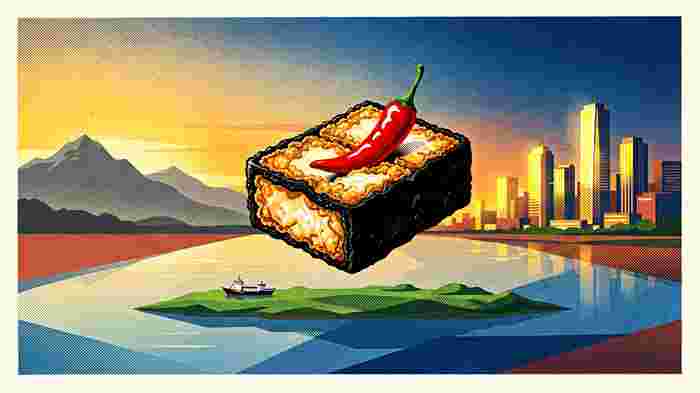
And right in the middle of the river sits Orange Isle, or Jushisu, a long, narrow island that looks
而在江心坐落着橘子洲,那是一个长而狭长的小岛,看起来
like a giant green ship floating in the water.
就像一艘漂浮在水中的巨大绿色巨轮。
It is actually one of the longest river silt islands in the world.
它实际上是世界上最长的河流冲积洲之一。
A giant green ship in the middle of the river.
江中心的一艘巨大绿色船只。
That is a beautiful image.
那是一个非常美丽的画面。
And you mentioned that the West Bank is home to academic history.
你刚才提到西岸是学术历史的发源地。
That brings us to Ualu Academy, right?
这就带我们来到了岳麓书院,对吧?
I heard it is one of the oldest universities in the world. Exactly.
我听说它是世界上最古老的大学之一。确实如此。
Ualu Academy was established in the year 976, during the Songt dynasty.
岳麓书院创立于公元 976 年宋朝时期。
That means it has been a center of learning for over a thousand years.
这意味着一千多年来,它一直是学术研究的中心。
It is situated at the foot of Ualu Mountain, surrounded by ancient trees and quiet courtyards.
它坐落于岳麓山脚下,四周环绕着古树和幽静的庭院。
Walking through it feels like stepping back in time.
漫步其中,感觉就像重返过去。
Scholars there did not just study books.
那里的学者们可不仅仅是死读书。
They debated philosophy, politics, and how to improve society.
他们探讨哲学、政治以及如何改善社会。
This academy eventually became part of Hunan University, so students are still studying there today.
这座书院最终成为了湖南大学的一部分,所以直到今天依然有学生在那里学习。
It shows how deeply Changsha values education and intellect.
这展现了长沙对教育和才智的重视程度有多深。
There's a famous couplet at the entrance that basically says, the land of Hunan is rich in talent,
入口处有一副著名的对联,大意是说,湖南这片土地人才辈出,
and Ualu is the very cradle of it.
而岳麓正是这人才的摇篮。
That is amazing.
那真是令人惊叹。
Over a thousand years of continuous education, it really grounds the city in a sense of wisdom and history.
千年不间断的办学历史,确实让这座城市深植于智慧与历史之中。
But when people think of Changsha today, they also think of a very passionate, almost stubborn energy.
但如今当人们想到长沙时,也会联想到一种非常有激情、甚至近乎执拗的精气神。
There's a local term for this, right?
对于这一点,当地有一个专门的说法,对吧?
I think it's called Baman? Yes.
我想那叫霸蛮?是的。
Baman is absolutely central to the identity of Changsha people.
“霸蛮”绝对是长沙人自我认同的核心。
In the local dialect, Baman translates to something like stubborn, persistent, or having a fierce determination.
在当地方言中,“霸蛮”大致翻译为固执、执着或拥有强烈的决心。
It means that when a person from Changsha decides to do something, they will do it against all odds.
它的意思是,当一个长沙人决定做一件事时,即便面临重重困难也会坚持到底。
They don't give up, and they don't complain.
他们从不放弃,也绝不抱怨。
They just push forward with an intense, fiery energy.
他们只是怀着一股强烈而火热的干劲奋勇向前。
Baman, I love that concept.
霸蛮,我太喜欢这个概念了。
It sounds like a real badge of honor for the locals.
听起来这简直是当地人真正的荣誉标志。
How does this temperament show up in their daily lives?
这种性格在他们的日常生活中是如何体现的呢?
Well, you can hear it in the way they speak.
嗯,从他们说话的方式里就能听出来。
The Changsha dialect is very loud, rapid, and rhythmic.
长沙话音量大、语速快,而且富有节奏感。
When you hear two locals talking on the street, you might think they're having a passionate
当你在街上听到两个当地人说话时,你可能会以为他们正在进行一场热烈的
argument, but they're actually just talking about what they had for breakfast.
争吵,但实际上他们只是在聊早餐吃了什么。
They speak with their whole bodies, gesturing and laughing loudly.
他们说话时全身都在用劲,边比划手势边大声笑。
There's no pretense, no holding back.
没有一点伪装,毫不保留。
They're incredibly direct, honest, and warm -hearted.
他们极其直爽、真诚且热心肠。
If you ask a local for directions, they might not just tell you where to go.
如果你向当地人问路,他们可能不只是告诉你怎么走。
They might walk you all the way there themselves just to make sure you don't get lost.
他们可能会亲自带你一路走过去,只是为了确保你不会迷路。
That is the kind of passion we're talking about.
这就是我们所说的那种热情。
That is so heartwarming.
那真是太暖心了。
I love places where people are authentic and wear their hearts on their sleeves.
我喜欢那种人们真实真诚、表里如一的地方。
Speaking of heat and passion, we cannot talk about Changsha without talking about the food.
说到火辣与激情,谈论长沙就不能不提美食。
Hunan cuisine, or Xiangtai, is famous for being incredibly spicy.
湖南菜,也就是湘菜,以极辣而闻名。
But as I understand it, it is a different kind of spicy compared to Sichuan food, right?
不过据我所知,与川菜相比,它的辣是另一种风味,对吧?
You are absolutely right, Emily.
艾米莉,你完全说对了。
This is a very important distinction for food lovers.
对于美食爱好者来说,这是一个非常重要的区别。
Sichuan cuisine is famous for Ma La, which is a numbing spicy sensation caused by Sichuan peppercorns.
川菜以“麻辣”著称,那是由花椒引起的发麻辣感。
Hunan cuisine, on the other hand, is all about Xiang La, which means fragrant spicy, or Gang La, dry spicy.
另一方面,湘菜讲究的是“香辣”,意为香辣,或者是“干辣”。
They use fresh red and green chili peppers, garlic, ginger, and scallions.
他们使用新鲜的红绿辣椒、大蒜、生姜和小葱。
The heat is direct, sharp and immediate.
那种辣味直接、尖锐且立竿见影。
It makes you sweat.
它会让你出汗。
It makes your nose run.
它会让你流鼻涕。
But it also opens up all your senses.
但它也能打开你的所有感官。
The locals believe that eating spicy food helps to drive out the dampness and humidity from the
当地人认为吃辣有助于驱除体内的潮气和湿气
body, especially during the hot summers and cold, wet winters.
,尤其是在炎热的夏天和阴冷的冬天。
That makes perfect sense.
那完全说得通。
Food as medicine, but also as a celebration of life.
食物既是药物,也是对生活的一种赞颂。
Now, let us talk about the most famous, or perhaps the most notorious, street food in Changsha,
现在,让我们来聊聊长沙最有名、或许也是最臭名昭著的街头小吃,
stinky tofu, or chodofu.
臭豆腐。
For many travelers, the smell can be quite intimidating.
对于许多游客来说,那种气味可能会相当令人望而生畏。
Can you describe the experience of eating it?
你能描述一下吃它的体验吗?
Ah, the legendary Changsha stinky tofu.
啊,传奇的长沙臭豆腐。
It is truly a masterpiece of street food.
它绝对是街头美食中的杰作。
But yes, it requires a bit of courage for first -timers.
不过没错,对于第一次吃的人来说,确实需要一点勇气。
Unlike stinky tofu in other parts of China, the Changsha version is completely black.
与中国其他地区的臭豆腐不同,长沙的版本完全是黑色的。
It gets this color from a unique fermentation process involving black tea, shiitake mushrooms, and
这种颜色来自包含红茶、香菇和独特发酵过程,以及
bamboo shoots.
竹笋。
When you walk down a food street like Posey Street, the smell hits you first.
当你走在像坡子街这样的美食街上时,那种气味首先会扑面而来。
It is strong, pungent, and earthy.
它气味浓烈、刺鼻,还带着泥土的气息。
But once you take a bite, everything changes.
但只要你咬一口,一切就都变了。
Oh, tell us.
噢,快告诉我们吧。
What does it actually taste like?
它究竟尝起来是什么味道?
Don't leave us hanging.
别吊我们胃口了。
Well, the vendor deep -fries the tofu cubes until the outside is incredibly crispy, almost like a
好吧,摊主会将豆腐块油炸到外皮极其酥脆,几乎就像
thin shell.
薄薄的外壳。
Then they poke a hole in the top of each cube and pour in a rich, savory sauce made of garlic water,
然后他们在每个豆腐块顶部戳一个洞,倒进用蒜水调制的浓郁咸香酱汁,
chili oil, soy sauce, cilantro, and pickled radishes.
包含辣椒油、生抽、香菜和腌萝卜。
When you put a whole piece in your mouth, the crispy shell breaks, and this hot, savory, spicy,
当你把一整块放进嘴里时,酥脆的外壳破裂,这种烫口、咸香、麻辣的
juicy soup explodes inside your mouth.
多汁汤汁在你嘴里爆开。
The stinky smell completely vanishes, replaced by a deep umami richness.
臭味完全消失了,取而代之的是深沉浓郁的鲜味。
It is crispy, juicy, spicy, and savory all at once.
它一口下去集合了酥脆、多汁、香辣和咸香等多种风味。
It is absolutely addictive.
这绝对令人上瘾。
Wow, you sold it perfectly, Brian.
哇,你推介得太完美了,布莱恩。
My mouth is watering now.
我现在都要流口水了。
It sounds like the contrast between the smell and the taste is part of the thrill.
听起来闻着与吃着的对比也是这种快感的一部分。
What about spicy crayfish?
那香辣小龙虾呢?
I know that's another massive late -night favorite in Changsha.
我知道那是长沙另一个极受欢迎的夜宵选择。
Oh, spicy crayfish, or koweixia, is the ultimate social food in Changsha.
噢,香辣小龙虾,或者叫口味虾,是长沙终极的社交美食。
Picture this.
想象一下这个场景。
It's 11 o 'clock at night, the air is warm, and you're sitting on plastic stools at a low table on
晚上11点,空气温暖,你坐在矮桌旁边的塑料凳子上,处于
the sidewalk.
人行道上。
In the middle of the table is a massive metal basin filled with bright red crayfish, swimming in a
桌子中央是一个巨大的金属盆,装满了鲜红的小龙虾,浸泡在
dark, glossy, spicy broth with whole garlic clothes and Sichuan peppers.
深色、油亮、香辣的浓汤里,里面还有整瓣大蒜和花椒。
Everyone at the table puts on plastic gloves.
桌上的每个人都戴上塑料手套。
You peel the shell, dip the sweet meat back into the spicy sauce, and eat.
你剥开外壳,把甜嫩的虾肉蘸回辣酱里,然后享用。
Because your hands are messy, you cannot look at your phone.
因为你的手弄得脏脏的,你没法看手机。
So you have to look at each other, talk, laugh, and drink cold drinks.
所以你不得不看着彼此,聊天、大笑、喝冷饮。
It is a wonderful bonding experience.
这是一段绝佳的增进感情的体验。
It's not just dinner.
这不仅仅是一顿晚餐。
It's an event.
这是一场盛事。
I love that.
我喜欢那种感觉。
A food that forces you to put down your phone and actually connect with the people around you.
一种能迫使你放下手机,真正与身边的人交流的美食。
That is beautiful.
那真的很美好。
It seems like Changsha really comes alive after dark.
看来长沙天黑之后才真正变得充满活力。
This leads us to our next topic, the famous night culture of Changsha.
这就引出了我们的下一个话题,长沙著名的夜文化。
People call it a city that never sleeps.
人们称它为一座永不入睡的城市。
Why is the nightlife there so legendary?
为什么那里的夜生活如此具有传奇色彩?
It really is a city that never sleeps.
它确实是一座永不入睡的城市。
In many cities, streets start to quiet down after 9 or 10 in the evening.
在许多城市,街道在晚上九、十点后开始安静下来。
In Changsha, 10 p .m.
而在长沙,晚上十点
is when the second half of the day begins.
才是这一天下半场的开始。
The streets are brightly lit with neon signs.
街道被霓虹灯牌照得通亮。
And the traffic at 2 a .m.
凌晨两点的车流,
on Liberation West Road, or Jiafang Silu, can look like rush hour at 8 a .m.
在解放西路,看起来就像早上八点的大高峰期。
in other cities.
在其他城市。
People of all ages, from university students to seniors, are out on the streets.
从大学生到老年人,各个年龄段的人都走上了街头。
They're shopping, singing karaoke, sitting in cafes, or eating at night markets.
他们购物、唱卡拉OK、坐在咖啡馆里,或者在夜市吃东西。
There's a sense of freedom and celebration in the air.
空气中弥漫着自由和庆祝的气息。
The locals work hard, but they play even harder.
当地人工作努力,但玩得更尽兴。
That is so fascinating.
这太令人着迷了。
What do you think drives this love for the night?
你认为是什么驱动了这种对夜晚的热爱?
Is it just the weather, or is there something deeper in the culture?
仅仅是因为天气,还是文化中有更深层次的原因?
I think it is a combination of both.
我认为这是两者的结合。
The summer heat definitely plays a role.
夏日的炎热绝对起到了作用。
Daytime can be too hot to do much, so people naturally wait until the sun goes down to socialize.
白天可能太热了,做不了什么事,所以人们自然会等到太阳落山后再去社交。
But culturally, it is also about the local philosophy of life.
但从文化上讲,这也与当地人的生活哲学有关。
Changsha people really know how to enjoy the present moment.
长沙人真的很懂得享受当下。
They love life, they love excitement, and they love sharing that excitement with others.
他们热爱生活,喜爱热闹,也喜欢与他人分享这种热闹。
There is a very popular local milk tea brand called Cha Yan USA, or Sexy Tea, which started in Changsha.
长沙起家有一个非常受欢迎的本土奶茶品牌,叫茶颜悦色(Cha Yan USA,或 Sexy Tea)。
People will literally wait in line for an hour at two in the morning just to get a cup of tea and
人们简直会在凌晨两点排队一小时,只为买一杯茶,并且
chat with friends.
和朋友聊天。
It is a very social, youthful, and vibrant atmosphere.
这是一种非常社交化、年轻且充满活力的氛围。
An hour -long line for tea at 2 a .m.?
凌晨两点为了喝茶排长达一小时的队?
That is dedication.
那真是太执着了。
It really shows how dynamic and youth -centric the city has become.
这充分展示了这座城市变得多么富有活力和以年轻人为中心。
In recent years, Changsha has also gained a reputation as a wanghang city, which means an internet
近年来,长沙也赢得了网红城市的声誉,这意味着一座网络
-famous city.
-知名城市。
It has become a top travel destination for young creators and tourists from all over China.
它已成为来自全国各地的年轻创作者和游客的首选旅游目的地。
How has this modern creative energy blended with the city's ancient roots?
这种现代的创意活力是如何与这座城市的古老底蕴相融合的?
It is a fascinating blend, Emily.
埃米莉,这是一种绝妙的融合。
On one hand, you have these ultra -modern creative spaces.
一方面,这里有许多超现代的创意空间。
Changsha is a major media hub in China, home to Hunan TV, which produces some of the country's most
长沙是中国重要的媒体中心,也是湖南卫视的所在地,湖南卫视制作了国内一些最
popular entertainment shows.
受欢迎的娱乐节目。
This has attracted a massive community of artists, designers, and media professionals.
这吸引了庞大的艺术家、设计师和媒体专业人士群体。
But what I love is that they do not destroy the old to build the new.
但我喜欢的是,他们不会为了立新而毁坏破旧。
Instead, they integrate them.
相反,他们将两者融合在一起。
For example, in the old alleys of Chalzong Street, you can see traditional brick houses from the
例如,在潮宗街的老巷子里,你可以看到来自
Qing dynasty right next to modern art galleries, trendy coffee shops, and independent bookstores.
清朝的传统砖房紧邻现代艺术画廊、潮牌咖啡馆和独立书店。
Young people are moving back into these historic neighborhoods, bringing them to life with new
年轻人正在搬回这些历史街区,用全新的
businesses, while preserving the architecture and stories of the past.
商业注入活力,同时保存着过去的建筑和故事。
That is wonderful to hear.
听到这个真是太棒了。
Preserving history while fostering modern creativity is such a delicate balance, and it sounds like
在保护历史的同时促进现代创意是一种微妙的平衡,听起来
Changsha is doing it beautifully.
长沙在这方面做得非常出色。
Looking back at your five years there, Brian, what is the one memory or image of Changsha that you
布莱恩,回顾你在那里的五年,长沙最让你珍藏的一段回忆或画面是什么,
cherish the most, the one that represents the true soul of the city for you?
你最珍惜的、能够为你代表这座城市真正灵魂的?
Oh, that is a tough question, because there are so many.
噢,那真是个棘手的问题,因为实在太多了。
But if I had to choose one, it would be a Sunday afternoon in late autumn.
但如果要我选一个,那会是深秋的一个星期日下午。
I was walking on Yuelu Mountain.
我当时正在岳麓山上漫步。
The maple leaves had turned a brilliant fiery red, matching the color of the local chilies.
枫叶变成了绚丽的火红色,就像当地辣椒的颜色一样。
I could hear the distant sound of students laughing near the university at the foot of the hill.
我能听到山脚下大学附近传来远方学生的欢笑声。
As I walked down to the river, the sun was setting, casting a warm golden light over Orange Isle and
当我走下山来到江边,夕阳西下,在橘子洲和水面上洒下温暖的金色光芒,
the skyline of the modern city across the water.
以及对岸现代城市的天际线。
And then, as night fell, the smell of street food began to rise, and the neon lights started to
然后,夜幕降临,街头小吃的香味开始升腾,霓虹灯光开始
flicker on one by one.
一盏接一盏地闪烁起来。
It was this perfect bridge between ancient nature, quiet history, and the vibrant, warm, chaotic,
这是连接古老自然、宁静历史与这座城市充满活力、温暖、交错复杂、
beautiful human life of the city.
美丽而生动的人文生活之间的完美桥梁。
That is the soul of Changsha to me.
对我来说,那就是长沙的灵魂。
What a stunning description, Brian.
多么令人惊艳的描述啊,布莱恩。
I felt like I was standing right there with you, watching the sunset and smelling the street food.
我感觉自己仿佛和你并肩站在那里,看着日落,闻着街头小吃的味道。
It truly sounds like a city of fire and soul, where history and modern life dance together in the
这听起来真是一座兼具火焰与灵魂的城市,历史与现代生活在这里交织舞蹈,
most energetic way.
以最富有活力的方式。
Thank you so much for sharing your stories and deep insights with us today.
非常感谢你今天与我们分享你的故事和深刻洞见。
You have given us a beautiful look into the heart of Changsha.
你为我们展示了深入长沙核心的美丽图景。
It was my absolute pleasure, Emily.
这是我绝对的荣幸,埃米莉。
Thank you for letting me share my love for this incredible city.
谢谢你让我分享我对这座不可思议的城市的热爱。
And to all the listeners, if you ever get the chance, please visit Changsha.
各位听众,如果有机会,请一定要去长沙看看。
Just remember to bring your appetite and prepare to stay up late.
只要记得带上你的胃口,做好熬夜的准备。
I certainly will.
我一定会的。
Well, dear listeners, that brings us to the end of today's journey on Talkcast Discovery.
好了,亲爱的听众们,今天的《Talkcast Discovery》旅程到这里就要结束了。
Before we go, we have our traditional fun quiz question for you based on today's episode.
在结束之前,我们按照传统根据今天的节目为你准备了一道有趣的互动测验题。
Today's question is, what is the unique local concept in Changsha that represents determination,
今天的题目是:在长沙,代表着决心、坚韧和执着坚持的独特本土概念是什么?
grit, and stubborn persistence?
坚韧和顽强的执着?
Let us know your thoughts.
请让我们知道你的想法。
You can write down your answer in the comment section of this episode, or check out what other
你可以在本期节目的评论区写下你的答案,或者查看其他
listeners have written to see if you got it right.
听众写了什么,看看你是否答对了。
If you enjoyed today's journey deep into the culture of Changsha, please consider becoming a
如果你喜欢今天深入长沙文化的旅程,请考虑成为
Talkcast member, subscribing to our show, and sharing this episode with your friends who are also
Talkcast 会员,订阅我们的节目,并将本期节目分享给同样在
learning English or love travel.
学习英语或热爱旅游的朋友们。
Your support and feedback keep us going.
您的支持和反馈是我们前进的动力。
Remember, the full English transcript and audio for this episode, along with our previous episodes,
请记住,本期节目的完整英文逐字稿和音频,以及我们往期节目,
are regularly published on our website at www .talkcast .top.
都会定期发布在我们的网站 www.talkcast.top 上。
Please go there to check them out.
请前往网站查看。
We would also love to hear from you about where we should go next.
我们也希望听到大家关于我们下一步该去哪里探索的建议。
Please leave a comment telling us about the places or cultural themes you are interested in.
请留言告诉我们您感兴趣的地方或文化主题。
Your suggestion might just become the focus of our next episode.
您的建议可能就会成为我们下一期节目的焦点。
Thank you so much for listening.
非常感谢您的收听。
Stay curious, keep exploring, and we will see you next time on Talkcast Discovery.
保持好奇,不断探索,我们下次《Talkcast Discovery》再见。
Off the map, into the world. Goodbye.
走出地图,走向世界。再见。
Thank you.
感谢你。