Interactive transcript · 229 lines
Hello, and a very warm welcome to all our listeners joining us today on TalkCast Discovery, the
你好,热烈欢迎今天加入我们《TalkCast Discovery》的各位听众,
podcast where we go off the map and deep into the heart of the world.
这是一档播客节目,带我们远离常规路线,深入世界的腹地。
I am your host, Sarah.
我是您的主持人萨拉。
Today, we are embarking on a journey to a city in central China that breathes history from every corner.
今天,我们将踏上前往中国中部一座城市的旅程,那里每一个角落都透着历史的气息。
There is an old saying in Chinese history, he who wants to rule the country must first understand
在中国历史上有一句古话:想要统治国家的人,必须首先了解
this city.
这座城市。
We are talking about none other than Jingzhou, a historic jewel in Hubei province.
我们要聊的正是荆州,湖北省的一颗历史明珠。
For over 2 ,000 years, this place has been a cradle of magnificent culture, a strategic prize fought
2000多年来,这里一直是灿烂文化的摇篮,也是各方争夺的战略要地,
over by emperors and legendary generals, and a living museum of local traditions.
无数帝王和传奇将领在此角逐,它也是当地传统文化的活态博物馆。
Joining me today to explore the soul of Jingzhou is David, a cultural historian and author who has
今天与我一起探索荆州灵魂的是大卫,他是一位文化历史学家兼作家,
lived in and researched Jingzhou for over a decade.
他在荆州生活并研究了十多年。
Welcome to the show, David.
欢迎来到节目,大卫。
Thank you, Sarah.
感谢你,萨拉。
It is wonderful to be here with you and your listeners.
能与你以及你的听众在一起,真是太好了。
You know, every time I talk about Jingzhou, I get a little emotional.
你知道,每次谈起荆州,我都有一点激动。
It's a city where you don't just study history in books, you literally walk on it, touch it, and
在这座城市里,你不仅是在书本里学习历史,更是切切实实地走在历史之上、触摸它、
even taste it.
甚至品尝它。
I always tell my friends that if you want to understand the aerobic spirit of ancient China, you
我总是告诉朋友们,如果你想理解中国古代那种充满活力的精神,你
have to spend a few days wandering around Jingzhou.
就必须花上几天时间在荆州漫步。
It has a very special energy that captures your imagination almost immediately.
它有一种非常特殊的能量,几乎能瞬间抓住你的想象力。
I can already feel your passion, David.
我能感受到你的热情了,大卫。
That is exactly what we want to dive into today.
这正是我们今天想要深入探讨的内容。
Let us start by laying some groundwork for our listeners who might be hearing about Jingzhou for the
让我们先为可能第一次听说荆州的听众打好一些基础,
very first time.
很可能是第一次。
Historically, this city holds a double crown of cultural significance.
在历史上,这座城市拥有文化重要性的双重桂冠。
It was the capital of the ancient Chu state during the spring and autumn and warring states periods,
它曾是春秋战国时期古楚国的都城,
and later it became a pivotal battleground during the famous Three Kingdoms era.
后来它成为了著名的三国时期关键的古战场。
Could you help us paint a picture of what Jingzhou was like during these two legendary eras? Absolutely.
你能帮我们描绘一下荆州在这两个传奇时代是什么样子吗?当然可以。
Let's first travel back over 2 ,500 years to the Chu state.
让我们首先穿越回2500多年前的楚国。
Jingzhou, then known as Ying, served as the Chu capital for over 400 years, home to 20 kings.
荆州当时被称为郢,作为楚国都城长达400多年,历经了20位君王。
The Chu culture was incredibly distinct from the cultures in northern China.
楚文化与中国北方的文化截然不同。
It was romantic, artistic, and deeply connected to nature and spiritual myths.
它富有浪漫色彩和艺术气息,并与自然和精神神话紧密相连。
Imagine a kingdom of brilliant lacquerware painted in vivid red and black, of bronze bells that
想象一下,一个有着绘制着鲜艳红黑两色精美漆器、有能发出
produced celestial music, and of exquisite silk embroidery.
产生仙乐般音乐的青铜编钟、以及精美丝绸刺绣的王国。
This was a land of poets like Ku Yuan, whose passionate verses still echo today.
这里是屈原等诗人的土地,他那充满激情的诗句至今仍在回响。
But then, as history moved forward to the Three Kingdoms period around the 3rd century AD, Jingzhou
但随后,随着历史推进到公元3世纪左右的三国时期,荆州
transformed into the ultimate geopolitical prize.
转变为了终极的地缘政治要地。
Because of its location along the middle reaches of the Yangtze River, it was the key transport hub
由于位于长江中游,它是连接中国南北东西的交通枢纽
connecting the north, south, east, and west of China.
连接着中国的南北东西。
It was said that whoever controlled Jingzhou held the key to the entire empire.
俗话说,谁控制了荆州,谁就掌握了整个帝国的钥匙。
Naturally, it became the stage for some of the most dramatic battles and political schemes in
自然而然地,它成为了中国历史上一些最具戏剧性的战争和政治阴谋的舞台。
Chinese history.
中国历史。
That is incredible.
那真是不可思议。
It went from being this artistic, poetic capital to a high -stakes military chessboard.
它从一个富有艺术和诗意的都城,变成了高风险的军事棋局。
And speaking of the Three Kingdoms, anyone who has read the classic novel, Romance of the Three
说到三国,任何读过经典小说《三国演义》的人,
Kingdoms, or played the video games, knows that Jingzhou is central to the plot.
或者玩过相关电子游戏的人,都知道荆州是情节的核心。
In fact, there is a very famous Chinese idiom, Dai Yi Shi Jingzhou, which translates to losing
事实上,中国有一个非常著名的成语——大意失荆州,翻译过来就是因
Jingzhou through carelessness.
粗心大意而失去荆州。
It's connected to the legendary general Guan Yu, right?
这与传奇将领关羽有关,对吧?
Can you tell us that story?
你能给我们讲讲那个故事吗?
Oh, that is one of the most tragic and defining stories of the era.
哦,那是那个时代最悲剧且最具定义意义的故事之一。
Guan Yu, who was widely revered as the god of war and a symbol of loyalty, was tasked with defending Jingzhou.
关羽被广泛尊崇为战神和忠义的象征,当时被赋予了镇守荆州的重任。
He was an incredibly brave and capable general, but he had one major flaw, which was pride.
他是一位极其勇敢且能力出众的将领,但他有一个致命的缺陷,那就是骄傲。
He underestimated his rivals, specifically the Kingdom of Wu.
他低估了自己的对手,尤其是东吴。
While Guan Yu was fighting a campaign further north, the Wu generals disguised their soldiers as
当关羽在更北的地方交战时,东吴的将领们将他们的士兵伪装成
merchants, sneaked past his river watchtowers, and captured Jingzhou without a major battle.
商人,潜过了他的江防烽火台,未经大战就占领了荆州。
This careless mistake cost Guan Yu his territory and ultimately his life.
这个疏忽大意的错误让关羽失去了领地,并最终付出了生命的代价。
Today, the idiom is used to warn people never to let their guard down when they are close to success.
如今,这个成语被用来告诫人们在接近成功时决不能掉以轻心。
In Jingzhou, you can still feel the heavy shadow of this story.
在荆州,你依然能感受到这个故事所留下的深厚阴影。
For the locals, Guan Yu is not just an historical figure.
对于当地人来说,关羽不仅仅是一个历史人物。
He is a guardian spirit.
他是他们的守护神灵。
You can find statues and temples dedicated to him all over the city.
在整个城市里,你都能找到供奉他的雕像和庙宇。
It is fascinating how a military mistake from 1800 years ago became a permanent part of the Chinese
令人惊叹的是,1800年前的一个军事失误竟然成为了中国
language and local culture.
语言和地方文化中不可分割的一部分。
And speaking of physical defense, one of the most magnificent sites in Jingzhou today is its ancient
说到防御设施,今天荆州最宏伟的遗迹之一就是它的古
city wall.
城墙。
I have seen pictures and it looks absolutely massive, almost like a giant stone dragon wrapping
我看过照片,它看起来非常巨大,简直像一条巨石长龙盘旋
around the city.
围绕着这座城市。
How old is this wall and what makes it so special compared to other city walls in China?
这座城墙有多少年历史了?与中国其他城墙相比,它有什么特别之处?
The Jingzhou ancient city wall is truly a marvel.
荆州古城墙确实是一个奇迹。
While the foundations date back to the Han dynasty, the wall we see standing today was mostly
虽然墙基可以追溯到汉代,但我们今天看到的城墙大部分是
rebuilt during the Meng and Qing dynasties about five to six hundred years ago.
在大约五六百年前的明清时期重建的。
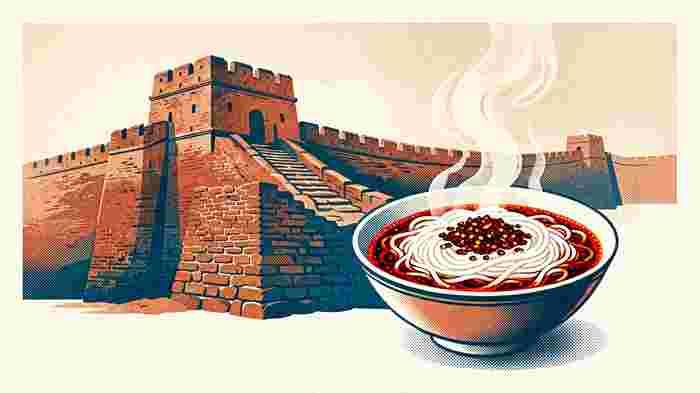
It is one of the best preserved southern city walls in all of China.
它是全中国保存最完好的南方城墙之一。
It is about nine meters high, nearly 10 meters thick, and stretches for over 11 kilometers.
它高约9米,厚近10米,绵延达11多公里。
What makes it unique is its construction.
使其独特的是它的建造工艺。
Because southern China is very wet and has soft soil, the builders had to use a special mixture of
由于中国南方非常潮湿且土壤疏松,建造者不得不使用一种特殊的混合物,即
lime, clay, and sticky rice soup to bind the giant gray bricks together.
由石灰、黏土和糯米浆组成,用来将巨大的灰砖粘合在一起。
It sounds delicious, but it made the walls incredibly strong and waterproof.
这听起来很美味,但它使城墙变得异常坚固且防水。
If you walk along the wall and look closely at the bricks, you will see stamped characters.
如果你沿着城墙走,仔细观察砖块,你会看到模印的字迹。
These are actually the names of the officials and craftsmen who made them.
这些实际上是制作砖块的官员和工匠的名字。
It was an ancient form of quality control.
这是古代的一种质量控制方式。
If a brick broke, they knew exactly who to blame.
如果砖块碎裂了,他们确切地知道该归咎于谁。
Sticky rice soup as mortar.
用糯米浆做砂浆。
That is brilliant.
那真是绝妙。
It shows how ancient builders used local, natural ingredients to solve complex engineering problems.
这展示了古代建造者如何利用当地的天然原料来解决复杂的工程问题。
And the brick inscriptions are like an ancient signature of accountability.
而砖上的铭文就像是古代追究责任的签名。
I love that detail.
我喜欢那个细节。
Now, I understand that the wall is not just a straight barrier.
现在我明白了,城墙不仅仅是一道平直的屏障。
It has some very clever defensive designs.
它有一些非常巧妙的防御设计。
Can you share one of those with us?
你能和我们分享其中的一个吗?
Yes, my favorite feature is the wang chang, which translates to the barbican or double gate system.
是的,我最喜欢的特征是瓮城,翻译过来就是瓮城或双重门系统。
Imagine you are an invading soldier.
想象一下你是一名入侵的士兵。
You manage to break through the first massive wooden gate of the city.
你设法突破了城池的第一道巨大木门。
You think you are inside, but instead you find yourself trapped in a small circular courtyard
你以为自己进城了,却发现自己被困在一个圆形小天井院落里,
surrounded by high stone walls.
四周被高耸的石墙包围。
Suddenly, a second heavy gate slams shut behind you.
突然,第二道沉重的城门在你身后砰然关上。
You are stuck in a giant stone jar.
你就这样被困在一个巨型石瓮里。
The defenders on top of the walls can then rain down arrows, rocks, and boiling water from above.
城墙上的守军随后可以从上方如雨般倾泻箭矢、巨石和滚水。
In Chinese, we call this catching a turtle in a jar.
在中国话里,我们把这叫做“瓮中捉鳖”。
It was highly effective and must have been terrifying for any invader.
这种防御极其有效,对任何入侵者来说肯定都是恐怖的。
Wow, that sounds absolutely terrifying.
哇,那听起来绝对太可怕了。
It is literally a death trap.
这简直就是一个死亡陷阱。
But today, of course, these walls are no longer places of war.
但当然,今天这些城墙不再是战争之地了。
They have transitioned into a peaceful part of daily life.
它们已经转变为日常生活中宁静的一部分。
What is the atmosphere like there now?
那里现在的氛围是什么样的?
How do the people of Jingzhou interact with this ancient giant?
荆州人民 headquarters 是如何与这个古老的巨物互动的呢?
Oh, it is the most peaceful, beautiful place now.
哦,现在那里是最宁静、最美丽的地方。
The walls are surrounded by a wide, shimmering moat, which has been turned into a lush, linear park
城墙环绕着一条宽阔而闪烁着微光的护城河,这里已被改造成一个植被茂密的带状公园
filled with weeping willows, blooming flowers, and stone pathways.
里面种满了垂柳,开满了盛开的鲜花,铺着石板小路。
In the early mornings, you'll see elderly residents practicing Tai Chi on top of the wall or playing
清晨,你会看到年老的居民在城墙顶上打太极拳,或者演奏
traditional instruments like the Urhu.
像二胡这样的传统乐器。
In the late afternoon, families come out to walk, fly kites, or rent tandem bicycles to ride along
傍晚时分,一个个家庭出来散步、放风筝,或者租用双人自行车骑行
the entire 11 -kilometer loop.
沿着这长达11公里的环线绕行。
There's this beautiful contrast of ancient, stoic gray stone and the vibrant, green, energetic life
古老而沉静的灰石与生机勃勃、绿意盎然的现代生活形成了鲜明的对比
of the modern community.
属于这个现代社区。
It's not a dead monument kept behind ropes.
它不是一个被围栏绳索封存起来的死板遗迹。
It's the backyard of the city.
它是这座城市的后院。
That sounds so poetic, David.
戴维,那听起来太有诗意了。
I can almost hear the soft music of the Urhu and feel the cool breeze coming off the moat.
我几乎能听到二胡轻柔的音乐,感到护城河吹来的凉爽微风。
Now, as our listeners know, no cultural exploration is complete without talking about food.
正如我们的听众所知,如果不谈论美食,任何文化探索都是不完整的。
Eating is such a vital way to understand a place's soul.
品尝美食是了解一个地方灵魂的关键方式。
Jingzhou has a very rich culinary tradition, heavily influenced by its abundant lakes and the
荆州有着非常丰富的美食烹饪传统,深受其众多的湖泊和
Yangtze River.
长江的影响。
If I were to wake up in Jingzhou tomorrow morning, what is the local breakfast ritual I absolutely
如果我明天早上在荆州醒来,有什么当地早餐仪式是我绝对
must try?
必须尝试的呢?
You must wake up early, around 6 or 7, and go get a bowl of zaotang noodles, which literally means
你必须早起,大约6点或7点,去吃一碗早堂面,它的字面意思是
early hall noodles.
“早堂面”。
This is not just breakfast.
这不仅仅是早餐。
It is a sacred morning ritual for locals.
对当地人来说,这是一项神圣的晨间仪式。
The history goes back to the late 19th century.
这段历史可以追溯到19世纪末。
Local noodle makers wanted to serve merchants who had to start work in the dark hours of the morning.
当地的面条师傅想为那些不得不在清晨天还没亮就开工的商人提供服务。
The secret of zaotang mihos is the broth.
早堂面的秘诀在于它的高汤。
Chefs start preparing it the night before, simmering pork bones, whole chickens, and fresh local
厨师们在前一天晚上就开始准备,用文火慢炖猪骨、整鸡和新鲜的本地
eels for hours and hours.
黄鳝,熬制数小时之久。
By the morning, the broth turns a rich, milky white color, packed with deep, savory umami flavors.
到了早晨,高汤变得浓郁乳白,蕴含着深厚美味的鲜味。
The noodles are thin and chewy, served with delicate toppings of sliced pork and chicken.
面条细而有韧性,配上精致的猪肉切片和鸡肉码子。
When you take that first sip of the hot, rich broth on a chilly morning, it warms you up from the
在寒冷的早晨,当你喝下第一口热气腾腾、浓郁的高汤时,它会由
inside out.
内而外温暖你。
It's pure comfort in a bowl.
这一碗面带来的是纯粹的慰藉。
Oh my goodness.
哦,我的天哪。
Eels, chicken, and pork bones simmered all night long?
黄鳝、鸡肉和猪骨炖煮了一整夜?
That sounds incredibly decadent and rich for a breakfast dish, but I can imagine how energized you
作为一道早餐,这听起来简直无比奢华和丰盛,但我能想象出你会感到多么
would feel afterward.
精力充沛,在这之后。
And what about lunch or dinner?
那午餐或晚餐呢?
I have heard of a legendary dish called Jingzhou Yugo, or fish cake, which has a very royal origin story.
我听说过一道名叫“荆州鱼糕”的传奇菜肴,它有一个非常有皇家色彩的渊源故事。
Is that true?
那是真的吗?
It is absolutely true.
那绝对是真的。
Jingzhou is often called the land of fish and rice because of its countless lakes.
荆州因其无数的湖泊而常被称为鱼米之乡。
The story of Yugao goes back to the Chu state.
鱼糕的故事可以追溯到楚国。
One of the Chu kings loved eating fish, but he was incredibly impatient and terrified of fish bones.
楚国的一位国王喜欢吃鱼,但他极其缺乏耐心,而且非常害怕鱼刺。
He actually executed a royal chef because a bone was left in his meal.
他竟然因为饭菜里留有一根骨头而处决了一位御厨。
Another chef, terrified for his life, came up with a brilliant idea.
另一位为自己的性命感到恐惧的厨师,想出了一个绝妙的主意。
He carefully removed all the bones from fresh grass carp, minced the meat into a fine paste, mixed
他小心翼翼地剔除鲜草鱼的所有刺,将鱼肉剁成细腻的泥状,混合
it with egg whites, pork fat, and starch, and steamed it.
蛋清、猪油和淀粉,然后蒸熟。
To make it look beautiful, he poured a layer of egg yolk on top before it finished steaming,
为了让它看起来更美观,他在蒸熟前在上面淋了一层蛋黄,
creating a lovely golden crust.
形成了一层诱人的金色外皮。
The king loved it because it had the rich, sweet flavor of fresh fish, but was as soft as tofu and
楚王非常喜欢它,因为它既有鲜鱼浓郁甘甜的风味,又像豆腐一样软嫩,而且
completely boneless.
完全无骨。
Today, Yugao is a must -have dish at any wedding, festival, or family reunion in Jingzhou.
如今,鱼糕是荆州任何婚礼、节日或家庭聚会时必不可少的一道菜。
There is a saying, no fish cake, no banquet.
俗话说,无鱼糕不成宴。
That is a life -saving recipe, quite literally.
字面意义上讲,那真是个救命的食谱。
I love how necessity, or in this case survival, created such a culinary masterpiece.
我喜欢这种由迫切需求——或者说在这种情况下是由生存——所创造出的烹饪杰作。
It sounds so delicate and light.
听起来是如此精致清爽。
And speaking of local snacks, we cannot forget about Jingzhou Guokui, can we?
说到当地小吃,我们可不能忘了荆州锅盔,对吧?
I have seen these crispy flatbreads sold all over China, but they originate from Jingzhou.
我在全国各地都见过卖这种酥脆烧饼的,但它们都起源于荆州。
Yes, Jingzhou Guokui is famous nationwide, but nothing beats eating a fresh one on a street corner
是的,荆州锅盔全国闻名,但没有什么比在街角吃上一块刚出炉的更过瘾了
in Jingzhou.
在荆州。
It is a large, flat dough that is stretched out very thin, topped with minced pork, beef, or
这是一块大而平整的面团,被拉得很薄,上面撒上绞碎的猪肉、牛肉或
preserved vegetables, and then pasted onto the inside wall of a deep charcoal clay oven.
腌制的蔬菜,然后贴在深深的炭火烤炉内壁上。
It bakes in just a couple of minutes.
只需要烤几分钟。
When it comes out, it is incredibly crispy and hot.
出炉时,它极其酥脆烫手。
They brush it with a sweet and spicy sauce.
他们会在上面刷上甜辣酱。
It is so long that you usually have to hold it with two hams, and as you bite into it, the crunch is
它很长,通常得用双手拿着,当你咬下去时,发出的嘎吱声是
so loud that people next to you can hear it.
如此响亮,以至于旁边的人都能听到。
It is the ultimate street food experience.
这是极致的街头美食体验。
I can almost smell the charcoal and the spicy sauce right now.
我现在几乎都能闻到木炭和辣酱的味道了。
This is making me incredibly hungry, David.
这让我觉得非常饿,大卫。
We have talked about the rich history of Chu, the military drama of the Three Kingdoms, the massive
我们聊过了楚国丰富的历史、三国时期的军事风云、宏伟的
ancient walls, and the delicious food.
古老的城墙,还有美味的食物。
Now, looking at Jingzhou today, it is a modern city of over 5 million people.
现在,看看今天的荆州,它是一个拥有500多万人口的现代城市。
How does a city with such an intense historical weight transition into the 21st century?
这样一座具有如此厚重历史底蕴的城市,是如何过渡到21世纪的?
How do they protect their heritage while allowing modern life to thrive?
他们如何在让现代生活蓬勃发展的同时保护他们的文化遗产?
It is a very delicate balance, Sarah, and one that Jingzhou has managed quite well.
这是一个非常微妙的平衡,莎拉,而荆州处理得相当好。
Inside the ancient city walls, the government has set strict limits on modern construction.
在古城墙内部,政府对现代建设设定了严格的限制。
You won't see any towering skyscrapers or neon -soaked shopping malls inside the walls.
你在城墙内看不到任何高耸的摩天大楼或霓虹闪烁的商场。
They want to preserve the low -rise traditional skyline and the old neighborhood feel.
他们希望保留低层的传统天际线和老街区的感觉。
Instead, the modern, high -tech development, like high -speed rail stations and modern businesses, is
相反,像高铁站和现代企业这样的现代高科技发展项目,被
built outside the walls in the new districts.
建设在城墙外的新区。
This division allows the old city to remain a sanctuary of history.
这种划分使老城得以继续作为历史的殿堂。
In recent years, there has also been a massive effort to preserve intangible cultural heritage, like
近年来,在保护非物质文化遗产方面也作出了巨大努力,比如
Han embroidery and Chu -style lacquerware making.
汉绣和楚式漆器制作。
Young people are starting to learn these ancient crafts, blending them with modern designs to sell online.
年轻人开始学习这些古老的工艺,将它们与现代设计相融合并在网上销售。
So history here is not just a relic of the past.
因此,这里的历史不仅仅是过去的遗迹。
It is an active partner in the city's future.
它是城市未来的积极参与者。
That is so wonderful to hear.
听到这个真是太棒了。
It's easy for old cities to either become frozen like a museum or completely destroyed by modernization.
老城市很容易要么像博物馆一样被冰封,要么被现代化的进程彻底摧毁。
But Jingzhou seems to have found a way to let the past and present coexist, allowing the ancient
但荆州似乎找到了一种让过去与现在共存的方法,允许古老的
culture to evolve and stay relevant for the younger generation.
文化不断演变,并保持对年轻一代的影响力。
It really sounds like a place where you can feel the pulse of history while enjoying the comfort of
这听起来确实是一个能在享受现代生活舒适的同时感受到历史脉搏的地方
modern life.
现代生活。
It truly is.
这确实如此。
Whether you're a history buff, a foodie, or just a curious traveler who wants to experience
无论你是历史爱好者、美食家,还是仅仅一个想要去体验的好奇旅行者
authentic Chinese hospitality, Jingzhou has something profound to offer.
地道的中国好客之道,荆州能提供非常深刻的底蕴。
It's a place that slows you down and invites you to contemplate the passage of time.
这是一个让你慢下来并邀请你沉思岁月流逝的地方。
Well, David, this has been an absolutely mesmerizing conversation.
好吧,戴维,这绝对是一场令人沉醉的对话。
You have brought the ancient walls, the heroic legends, and the steaming bowls of noodles right into
你把古老的城墙、英勇的传说以及热气腾腾的面条带到了
our ears today.
我们今天的耳朵里。
Thank you so much for joining us on Talkcast Discovery and sharing your deep knowledge and love for Jingzhou.
非常感谢你来到 Talkcast Discovery,分享你对荆州深厚的知识与热爱。
It was my absolute pleasure, Sarah.
这完全是我的荣幸,莎拉。
Thank you for having me, and I hope some of our listeners will get to visit Jingzhou one day.
感谢邀请我,我希望我们的一些听众有一天能去游览荆州。
To all our wonderful listeners, we hope you enjoyed this cultural journey into the heart of Jingzhou.
致我们所有极好的听众,希望你们喜欢这场深入荆州中心的文化之旅。
Before we say goodbye, we have an exciting question for you to ponder.
在我们道别之前,我们有一个有趣的问题供你深思。
If you could travel back in time to the Three Kingdoms period and meet one historical figure in
如果你能穿越回三国时期,并在荆州见到一位历史人物
Jingzhou, who would it be and why?
那会是谁?为什么?
Would it be the loyal general Guan Yu, or maybe the brilliant strategist Yuga Liang?
会是忠诚的关羽将军,还是卓越的谋士诸葛亮?
Please write down your answers in the comment section below, or check out what other listeners have shared.
请在下方的评论区写下你的答案,或者看看其他听众分享了什么。
We love reading your thoughts.
我们喜欢阅读你的想法。
If you enjoyed this episode and want to support us, please consider joining our Talkcast membership
如果你喜欢本集节目并想支持我们,请考虑加入我们的 Talkcast 会员
program, subscribing to our channel, and sharing this episode with your friends.
项目,订阅我们的频道,并将本集分享给你的朋友。
Your feedback and support mean the world to us, and help us keep producing high -quality content.
你的反馈和支持对我们至关重要,并帮助我们继续制作高质量的内容。
Just a quick reminder that the full English transcript and audio for this episode, as well as all
友情提醒,本集节目的完整英文逐字稿和音频,以及所有
our previous episodes, are regularly published on our website at www .talkcast .top.
我们之前的节目,都会定期发布在我们的网站 www.talkcast.top 上。
Please head over there if you want to read along or practice your English listening skills further.
如果你想跟着朗读或进一步练习你的英语听力技能,请前往那里。
Finally, we want to hear from you.
最后,我们希望听到你的声音。
Please leave a comment telling us which city, country, or cultural topic you want to explore next.
请留言告诉我们接下来你想探索哪个城市、国家或文化主题。
I will choose our next podcast theme based on your suggestions.
我将根据你的建议选择我们下一期播客的主题。
Thank you so much for listening to Talkcast Discovery.
非常感谢收听 Talkcast Discovery。
Until next time, keep exploring, keep learning, and keep going off the map and into the world. Goodbye!
下期见,保持探索,保持学习,打破地图的边界,走入大千世界。再见!
Thank you!
感谢你!