Interactive transcript · 100 lines
Hello and welcome back to Talkcast Talk, the podcast where we go beyond their time to explore the
你好,欢迎回到Talkcast Talk,在这个播客中,我们将跨越时空去探索...
timeless beauty of literature.
文学的永恒之美。
I am your host, Franklin.
我是你们的主持人富兰克林。
Have you ever started a difficult journey, maybe learning a new language, taking on a tough project,
你是否曾开始一段艰难的旅程,比如学习一门新语言,接手一个棘手的项目,
or hiking up a steep mountain, and then turned back just when things were getting interesting?
或者徒步登上陡峭的山峰,却在事情变得有趣时又折返了?
Only to look back later and feel a deep sense of regret?
结果后来回想起来感到深深的遗憾?
Well, you are certainly not alone.
嗯,你绝对不是孤单的。
Today, we are diving into a classic Chinese masterpiece that addresses this exact human experience,
今天,我们将深入探讨一部中国经典杰作,它恰恰探讨了这种人类体验,
blending a simple travel story with profound life philosophy.
将一段简单的旅行故事与深邃的人生哲学融为一体。
The piece we are exploring today is called Record of Visiting Mount Bauchan, or Yu Bauchan Shanji,
我们今天要探讨的作品叫做《褒禅山记》(Record of Visiting Mount Bauchan),
written by Wang Anshi, a towering figure of the Northern Song Dynasty.
由北宋时期的泰斗人物王安石所写。
Now, you might know Wang Anshi as a brilliant poet, but he was also a visionary statesman and a bold
现在,你可能知道王安石是一位才华横溢的诗人,但他也是一位有远见的政治家和一个大胆的
political reformer.
政治改革家。
In the year 1054, after resigning from a local government post, he went on a journey with some
在公元1054年,在辞职离开地方政府职务后,他与一些
friends and his younger brothers.
朋友和弟弟们一起踏上了这段旅程。
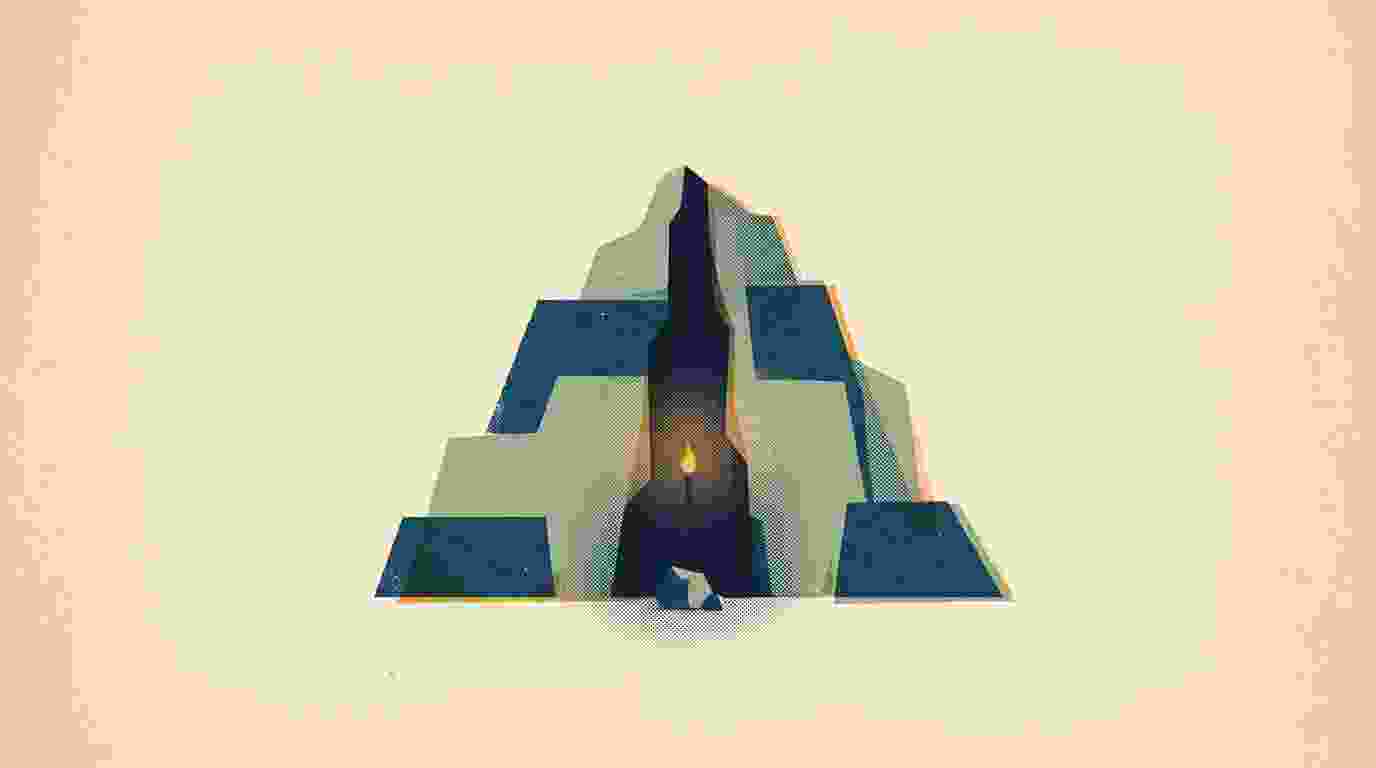
They decided to explore a dark, mysterious cave on Mount Bauchan.
他们决定探索褒禅山上一处黑暗而神秘的洞穴。
What happened inside that cave inspired an essay that scholars have studied for nearly a thousand years.
洞穴里发生的事情启发了一篇被学者们研究了近千年的散文。
It is not just a travelogue.
它不仅仅是一篇游记。
It is a brilliant metaphor for life, education, and the pursuit of truth.
它是对生活、教育和真理追求的一个极好的隐喻。
Wang Anshi argues that the most magnificent, wondrous, and extraordinary sights in this world are
王安石认为,这世上最雄伟、奇妙、非凡的景象,
always hidden in steep and distant places where few people dare to go.
总是隐藏在鲜有人敢去的险远之地。
To reach them, we need more than just physical strength or external tools, we need an unwavering,
要到达那里,我们需要的不仅仅是体力或外部工具,我们需要一种坚定不移的、
resolute will.
坚决的意志。
And most importantly, he teaches us that even if we fail, as long as we exert our absolute best
最重要的,他教导我们,即使我们失败了,只要我们尽力发挥
effort, we can live without any regret.
付出努力,我们就能毫无遗憾地生活。
Personally, this essay has always comforted me whenever I face setbacks.
就我个人而言,每当我面对挫折时,这篇散文总是能慰藉我。
It reminds me that the value is in the striving.
它提醒我,价值在于奋斗之中。
For our listening session today, I have translated this complete classical text into English,
在今天的听力环节中,我将这篇完整的文言文翻译成了英文,
keeping its poetic rhythm and philosophical depth intact.
保持了其诗意的节奏和哲学的深度。
As you listen, I want you to pay close attention to how Wang Anshi transitions from describing a
当你聆听时,我希望你密切关注王安石如何转变,从描述一个
simple physical object, like a fallen stone tablet, to criticizing the academic laziness of his era,
简单的实体物体(如倒塌的石碑)过渡到批判他那个时代的学术懒惰,
and finally to his grand conclusion about human ambition.
并最终得出关于人类抱负的宏伟结论。
So, without further ado, let us step back into 11th century China and journey up Mount Bauchan.
话不多说,让我们回到11世纪的中国,踏上褒禅山之旅。
Mount Bauchan is also called Mount Hua.
褒禅山亦谓之华山。
The Tang Buddhist monk Huibao first built a hut at its foot and was buried there upon his death,
唐浮图慧褒始舍于其址,而卒葬之,
thus, later generations named the mountain Bauchan, meaning the Zen of Bauchan.
以故其后名之曰“褒禅”。
What is now called the Huikong Zen Temple is actually Huibao's residence and tomb.
今所谓慧空禅院者,褒之庐冢也。
Five miles east of this temple lies the so -called Hua Cave, named so because it is located on the
距其院东五里,所谓华山洞者,
southern slope of Mount Hua.
以其乃华山之阳名之也。
A hundred steps or so from the cave, there is a fallen stone tablet lying by the path.
距洞百余步,有碑仆道,
Its inscription is weathered and worn, but one can still discern the words Flower Mountain.
其文漫灭,独其为文犹可识曰“花山”。
Nowadays, pronouncing Hua as in Splendid Fruits is probably a phonological error.
今言“华”如“华实”之“华”者,盖音谬也。
The area below is flat and open, with a spring flowing from the side.
其下平旷,有泉侧出,
Many travelers have left records here, and this is known as the Front Cave.
而记游者甚众,所谓前洞也。
Climbing five or six miles up the mountain, there is a deep and dark cave where the air is extremely cold.
由山以上五六里,有穴窈然,入之甚寒,
When asking how deep it is, even the most enthusiastic travelers cannot reach its end.
问其深,则其好游者不能穷也,
This is called the Back Cave.
谓之后洞。
I entered it with four companions, carrying torches.
余与四人拥火以入,
The deeper we went, the more difficult the path became, but the more wondrous the sights were.
入之愈深,其进愈难,而其见愈奇。
However, one of us grew weary and wanted to leave, saying, If we do not go back, our torches will
有怠而欲出者,曰:“不出,火且……”
burn out.
燃尽。
So, we all left with him.
于是我们便与他一同离去。
In fact, the depth we reached was not even a tenth of what those avid travelers had covered.
其实,我们所到的地方,比起那些狂热的游览者来,连十分之一都不到。
Yet, looking around, the inscriptions left by previous visitors were already few.
然而环顾左右,前来并留下的碑文已经很少了。
The deeper one goes, the fewer people reach there.
越是深处,到达的人就越少。
At that time, my strength was still sufficient to go further, and the torches were still bright
当那个时候,我的体力还足够深入,火把也还明亮,
enough to light the way.
足以照亮前路。
After we came out, some blamed the one who had urged us to leave, and I, too, regretted having
等我们出来以后,有的人责怪那个急着要出来的人,而我也后悔自己
followed him, thus failing to experience the ultimate joy of exploration.
跟着他,从而未能尽情体验到游览的极致乐趣。
Upon this, I had some reflections.
对于这件事,我有所感触。
When the ancients observed heaven and earth, mountains and rivers, plants and trees, insects and
当古人观察天地、山川、草木、虫鱼、
fish, birds and beasts, they often gained deep insights because they pondered deeply and left
鸟兽时,往往能获得深刻的感悟,因为他们探究思考得深入,
nothing unexamined.
没有一处不予深究的。
Flat and nearby places are crowded with visitors, steep and distant ones see few travelers.
平坦并且近的地方游人就多,险峻并且远的地方到达的人就少。
Yet, the magnificent, wondrous, and extraordinary sights of the world are often found in those steep
然而世上宏伟、奇异、非常罕见的景观,常在于险远的地方,
and distant places, where few people set foot.
而又是人们很少涉足的遥远之地,
Therefore, without a resolute will, one cannot reach them.
因此,没有坚定的志向是不能到达那里的。
Even with a resolute will, if one simply follows others and gives up, or if one's physical strength
即使有了坚定的志向,如果不随波逐流地轻易放弃,或者如果个人的体力
is insufficient, one still cannot reach them.
有所不足,也仍然无法到达。
Even if one has both the will and the strength, and does not yield to laziness, without external aid
即使既有志向又有体力,又不向懈怠妥协,但在幽暗昏惑而没有外物相助的情况下,
in dark and confusing places, one still cannot reach them.
身处黑暗迷惑之处,还是无法到达。
However, if one has the strength to reach but fails, others may mock him, and he himself will feel regret.
然而,如果体力足以到达却未能到达,在别人看来是可以讥笑的,在自己则是会有所悔恨的;
But if one exerts his will to the utmost and still cannot reach, he can feel no regret.
但如果已经尽了自己最大的极限(志向)而未能到达,就可以没有悔恨了。
Who then can mock him?
难道还有谁能讥笑他呢?
This is what I have gained from this journey.
这就是我这次游览的收获!
Regarding the fallen tablet, I also felt saddened by the loss of ancient texts and how later
对于那块倒地的石碑,我又感伤于古代文献的散失,以及后人
generations misrepresent them, making it impossible to discover their true names.
将它们歪曲,使得人们无法探究它们的真实名字。
Such errors are too numerous to recount.
这样的错误实在是众多(数不胜数)啊!
This is why scholars must think deeply and choose with great care.
这就是为什么学者必须深入思考并谨慎取舍的原因。
My four companions were Xiao Gui Gui, style name Junyu, of Lu Ling, Wang Hui, style name Shen Fu, of
同游的四位同伴是:庐陵人萧君圭,字君玉;长乐人王回,字深父;
Chang 'e, and my younger brothers, Ang Gua, style name Ping Fu, and An Xiang, style name Chu 'en Fu.
以及我的弟弟们,安国,字平父;安上,字纯父。
Recorded on a certain day in July, in the first year of Zhiha, by Wang of Linchuan.
记于至和元年七月某日,临川人王某。
And that concludes the reading of Wang Ansh's classic essay.
以上就是王安石这篇经典散文的朗读。
Every time I read that passage, particularly the part where he says, but if one exerts his will to
每次我读到那段话,特别是当他说到“尽吾志也而不能至者,可以无悔矣”的那一部分时,
the utmost and still cannot reach, he can feel no regret, I feel a deep sense of peace.
内心总会涌起一股深深的平静。
It shifts our focus from the final destination to the purity of our effort.
它将我们的注意力从最终的目的地转移到了我们付出努力的纯粹性上。
In a world so obsessed with winning and final results, Wang Ansh's words are a gentle yet powerful
在一个如此执着于胜利和最终结果的世界里,王安石的话语宛如一道温和却充满力量的
reminder of the dignity of trying our best.
提醒,让我们看到尽力而为本身的尊严。
I would love to know what you think about this.
我很想知道你们对此有什么看法。
Have you ever had a Mount Baochian cave moment in your life where you regretted turning back, or
在你的生活中,是否曾有过那么一个“褒禅山洞”的时刻,让你为回头而感到后悔,
perhaps a time when you pushed through to the very end?
或者也许有那么一次,你咬牙坚持到了最后?
Please share your stories and read what other listeners have shared in the comments section below.
请在下方的评论区分享你的故事,并阅读其他听众分享的内容。
If you enjoyed today's journey into classical Chinese literature and want to support our mission of
如果你喜欢今天对中国古典文学的探索之旅,并想支持我们的使命,即
bringing these timeless texts to English learners, please consider subscribing, sharing this episode
将这些永恒的文本带给英语学习者,请考虑订阅、分享本期节目
with your friends, or joining our Talkcast membership for exclusive benefits.
给你的朋友,或者加入我们的Talkcast会员以获得专属福利。
Your support keeps us going.
你们的支持是我们继续前行的动力。
Also, let me know in the comments which literary piece you would like me to read and discuss next.
另外,请在评论区告诉我,接下来你希望我朗读和讨论哪篇文学作品。
I read all your suggestions.
大家所有的建议我都会认真阅读。
Thank you so much for listening, and until next time, keep exploring, keep striving, and have no regrets.
非常感谢大家的收听,我们下次见。继续探索,继续奋斗,不留遗憾。
Bye for now.
再见啦。