Interactive transcript · 127 lines
Hello everyone and welcome back to Talkcast Talk, where literature goes beyond its time.
大家好,欢迎回到 Talkcast Talk,在这里,文学能超越时代的局限。
Before we begin today's journey, a huge heartfelt thank you to all our Talkcast members.
在开启今天的旅程之前,要向我们所有的 Talkcast 会员致以最衷心的感谢。
Your generous support keeps our microphones running and our stories alive.
您慷慨的支持让我们的麦克风持续运转,让我们的故事生生不息。
And if you have not joined our membership yet, we warmly invite you to become a member today.
如果您还没有加入会员,我们热情地邀请您今天就成为其中一员。
Talkcast truly needs your support to bring world masterpieces to life every single week.
Talkcast 非常需要您的支持,以在每周赋予世界名著新的生命。
Now, imagine being asked to write a grand masterpiece celebrating one of the most breathtaking
现在,想象一下被邀请写一篇宏伟的杰作,来庆祝全国最令人屏息的
architectural vistas in the country, a legendary pavilion standing tall over a boundless lake,
建筑景观之一,一座矗立在无边无际的湖畔上的传奇楼阁,
without ever setting foot on the site.
而你甚至从未踏上过那个地点。
In the autumn of 1046, exiled in Dangzhou, a northern Song statesman received an architectural
1046年秋,一位被流放在邓州的北宋政治家收到了一幅建筑
scroll from his demoted dear friend.
画卷,出自他一位被贬谪的好友之手。
With nothing but that scroll, his vivid memories, and an astonishing moral imagination, he penned
仅凭那幅画卷、生动的记忆以及令人惊叹的道德想象力,他写下了
what would become one of the most quoted prose essays in literary history.
这篇后来成为文学史上被引用最多的散文之一。
Today, we are exploring Fan Zongyan's immortal essay, Memorial to Yueyang Tower.
今天,我们将探索范仲淹的不朽名篇《岳阳楼记》。
Joining us is Claire, an acclaimed literary translator and associate professor of comparative literature.
今天来到我们节目的是克莱尔,她是一位备受赞誉的文学翻译家和比较文学副教授。
Claire has spent over a decade translating classical Chinese prose and has stood on the balconies of
克莱尔花了十多年时间翻译中国古典散文,并曾站在
Yueyang Tower herself.
岳阳楼本身的露台上。
Claire, welcome to Talkcast Talk.
克莱尔,欢迎来到 Talkcast Talk。
Thank you so much for having me, Henry.
非常感谢你邀请我,亨利。
It is an absolute delight to be here.
来到这里真是太高兴了。
You know, this essay has stayed with me for decades.
你知道,这篇散文伴随了我数十年。
I first read it as an undergraduate student.
我第一次读它是在读本科的时候。
And later, when I stood beside Lake Dongting on a misty autumn afternoon, those sentences came
后来,在一个雾气缭绕的秋日下午,当我站在洞庭湖畔时,那些句子
rushing back with such physical force.
带着如此强烈的切身力量涌回脑海。
For our listeners who are discovering this piece for the first time, Fan Zongyan was far more than
对于第一次了解这篇文章的听众来说,范仲淹远不止是
an essayist.
一位散文家。
He was a towering prime minister and a bold reformer behind the Qingli reforms.
他是一位伟大的宰相,也是庆历新政背后大胆的改革者。
When the political tide turned against reform, Fan and his close confident Tang Zujing were banished
当政治风向转而反对改革时,范仲淹和他的知己滕子京被贬谪
from the imperial capital.
离开了京城。
Tang was sent to govern the remote region of Baling, modern -day Yueyang.
滕子京被派去治理巴陵这个偏远地区,即今天的岳阳。
Remarkably, instead of falling into despair, Tang governed so effectively that peace returned, the
值得赞叹的是,滕子京并没有陷入绝望,而是治理得非常有效,恢复了和平,
local economy revived, and he rebuilt the historic Yueyang Tower.
地方经济复苏,他还重修了历史悠久的岳阳楼。
Tang then sent a scroll of Lake Dongting to Fan, asking for a commemorative inscription.
滕子京随后寄给范仲淹一幅洞庭湖的画卷,请他写一篇纪念性的题记。
Fan seized this opportunity to write something profound.
范仲淹抓住这个机会,写下了一篇意蕴深远的文章。
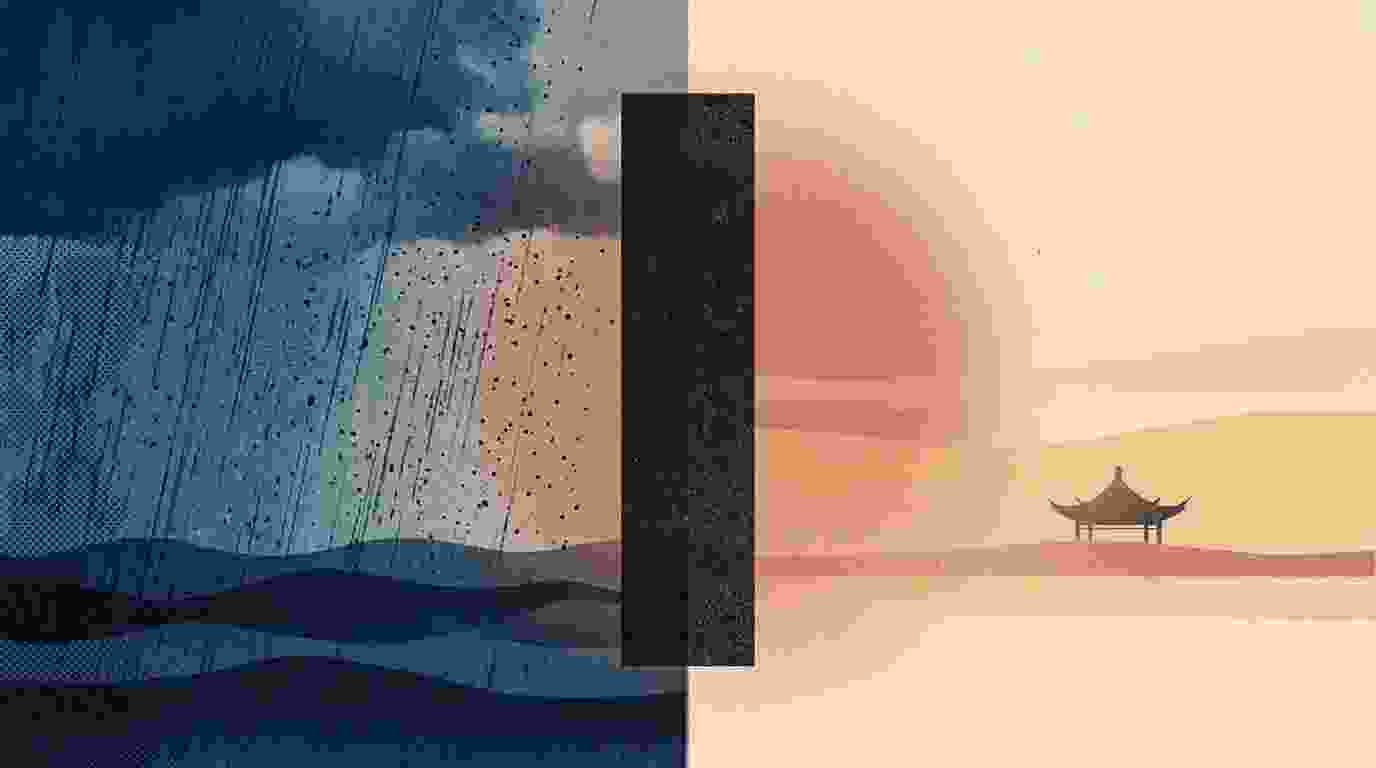
Rather than offering a standard eulogy of bricks and beams, he used the shifting weather over Lake
他没有对砖木建筑撰写平庸的赞歌,而是利用洞庭湖上阴晴不定的天气
Dongting as a mirror for the human soul.
作为人类心灵的一面镜子。
He contrasts travelers who are crushed by storm and gloom with those who are intoxicated by
他将那些被风暴与阴沉摧折的客子,与那些沉醉在
springtime sunshine.
春日阳光下的人作对比。
Both, he argues, are captives of their immediate circumstances.
他认为,这两者都是眼前的环境的囚徒。
Sages, however, transcend both.
然而,贤者却超越了这两者。
They are neither elated by external gains nor saddened by personal loss.
他们既不因外物好坏而欢喜,也不因自己得失而悲伤。
And he crowns the essay with that iconic ethos of civic responsibility, to worry before all others
他以那种标志性的社会责任感为文章画上句号,即在天下人担忧之前先
worry, and to rejoice only after all others have found joy.
担忧,在天下人都快乐之后才去快乐。
As you listen to the reading today, notice the extraordinary sensory contrast.
在您今天聆听朗读时,请注意其中非凡的感官对比。
Pay attention to how the prose shifts from the deafening fury of howling winds and shattered oars to
注意文章是如何从阴风怒号、樯倾楫摧的震耳狂暴,
the luminous stillness of the moon reflected like submerged jade, before lifting us into a serene
转变到如沉璧般的皎洁宁静,再将我们升华至宁静的
philosophical height.
哲理高度。
That transition between storm, serenity, and moral transcendence is truly unforgettable.
在风暴、宁静与道德超越之间的这种转换,令人真正难忘。
Without further ado, let us quiet our minds, lean in, and listen to Claire read Memorial to Yueyang Tower.
话不多说,让我们静下心来,倾耳细听克莱尔朗诵《岳阳楼记》。
In the spring of the fourth year of the Qingli reign, Tang Zujing was demoted to govern Baling Prefecture.
庆历四年春,滕子京谪守巴陵郡。
By the following year, the administration was harmonious, the people were at peace, and all that had
越明年,政通人和,百废具兴,
fallen into neglect had been revived.
百废具兴。
Thereupon, he undertook the renovation of the Ouyang Tower, expanding its original scale and having
乃重修岳阳楼,增其旧制,
the poems and rhapsodies of Tang sages and contemporary scholars engraved upon it.
刻唐贤今人诗赋于其上,
He then entrusted me with writing an essay to commemorate the occasion.
属予作文以记之。
In my view, the grand spectacle of Baling lies entirely in Lake Dongting.
予观夫巴陵胜状,在洞庭一湖。
It clasps the distant mountains in its embrace and swallows the mighty Yangtze River, surging and
衔远山,吞长江,浩浩汤汤,
vast, stretching boundless to the horizon.
横无际涯,
Morning light and evening twilight bring a myriad of shifting scenes.
朝晖夕阴,气象万千,
This is the magnificent panorama visible from Yueyang Tower, fully documented by our predecessors.
此则岳阳楼之大观也,前人之述备矣。
Yet, connecting as it does to the Wu Gorges to the north and reaching the Shao and Shang rivers to
然则北通巫峡,南极潇湘,
the south, exiled officials and wandering poets have often gathered here.
迁客骚人,多会于此,
How then could their feelings upon beholding these sights not differ?
览物之情,得无异乎?
When relentless rains fall incessantly and the gray skies do not clear from months at end, sullen
若夫淫雨霏霏,连月不开,
gales howl in fury and turbid waves surge toward the heavens.
阴风怒号,浊浪排空,
The sun and stars veil their brilliance, while mountains hide their contours.
日星隐曜,山岳潜形,
Merchants and travelers dare not venture forth.
商旅不行,
Masks topple and oars shatter.
樯倾楫摧,
In the dusk of gloomy twilight, tigers roar and gibbons cry mournfully.
薄暮冥冥,虎啸猿啼。
Ascending the tower in such an hour, one feels torn from the capital and sick for home, fearful of
登斯楼也,则有去国怀乡,
slanders and wary of ridicule.
忧谗畏讥,
Looking around at the desolate desolation, one is overwhelmed with sorrow and driven to grief.
满目萧然,感极而悲者矣。
Yet when spring turns gentle and the scenery brightens, the waters rest unruffled.
至若春和景明,波澜不惊,
The celestial light and watery expanse blend into an unbroken jade -green sheet of 10 ,000 acres.
上下天光,一碧万顷,
Sand gulls soar and congregate, glistening fish swim freely.
沙鸥翔集,锦鳞游泳,
Fragrant angelica on the shores and orchids on the islets thrive in lush and vibrant greenery.
岸芷汀兰,郁郁青青。
Or, when the heavy mists completely disperse, a bright moon bathes a thousand miles in silver radiance.
而或长烟一空,皓月千里,
Floating gleams dance like molten gold, and the still reflection rests like submerged jade.
浮光跃金,静影沉璧,
Fishermen exchange songs across the water.
渔歌互答,
What boundless joy!
此乐何极!
Ascending the tower at such a moment, one's mind broadens and spirit delights.
登斯楼也,则有心旷神怡,
Favor and disgrace are both forgotten.
宠辱偕忘,
Facing the wind with wine -cup in hand, one is filled with boundless exultation. Alas!
把酒临风,其喜洋洋者矣。嗟夫!
I have often pondered the minds of the virtuous ancients, which may differ from both these dispositions.
予尝求古仁人之心,或异二者之为,
Why is that?
何哉?
They were not elated by external Dane, nor despondent over personal adversity.
不以物喜,不以己悲,
Standing high in the royal court, they worried for their people.
居庙堂之高则忧其民,
Wandering far by lakes and rivers, they worried for their sovereign.
处江湖之远则忧其君。
Thus, moving forward into office they worried, and retreating into retirement they worried as well.
是进亦忧,退亦忧。
When then would they ever rejoice?
然则何时而乐耶?
Surely, they would say, be the first to worry about the world's worries, and the last to rejoice in
其必曰:“先天下之忧而忧,后天下之乐而
the world's joys. Ah!
乐”乎!噫!
If not for such souls, whom should I look to as my companions?
微斯人,吾谁与归?
Written on the 15th day of the 9th month in the 6th year.
时六年九月十五日。
Claire, thank you so much.
克莱尔,太感谢你了。
That was simply mesmerizing.
那简直太令人陶醉了。
The moment you read, floating gleams danced like molten gold, and the still reflection rests like
当你朗读到“浮光跃金,静影”那句时,
submerged jade, I could almost feel the cool evening air off Lake Dongting.
沉璧”时,我几乎能感受到洞庭湖上传来的凉爽晚风。
And then that final pivot, moving forward into office they worried, and retreating into retirement
还有最后那个转折,“进亦忧,退
they worried as well, hits with such profound moral weight.
亦忧”,带有如此深沉的道德力量,震撼人心。
It really does, Henry.
确实如此,亨利。
What moves me most is the friendship between Fan Songyan and Tang Zujing.
最打动我的是范仲淹与滕子京之间的友谊。
Tang was the motive, carrying the sting of political rejection.
滕子京是导火索,承受着政治排挤的打击。
Fan did not write him a pity letter.
范仲淹没有给他写一封同情信。
Instead, he painted this magnificent panorama to remind Tang, and himself, that our inner worth is
相反,他绘制了这幅宏伟的全景图,以此提醒滕子京和自己,我们内心的价值
never defined by court politics, career setbacks, or the weather of our fortunes.
绝不由朝堂政治、仕途挫折或命运的风云变幻所决定。
It is a call to rise above circumstances. Exactly.
这是一声超越境遇的号召。一点没错。
To be not elated by external gains, nor saddened by personal loss.
不以物喜,不以己悲。
That is a philosophy that speaks directly to anyone navigating the uncertainties of modern life.
这种哲学思想直接触及每一个应对现代生活不确定性的人。
And that brings us to our open question for our wonderful listeners today.
这也带出了我们今天为广大听众准备的开放性问题。
In our fast -paced modern world, where external praise can make us dizzy with pride, and minor
在当今快节奏的现代世界中,外界的赞扬可能让我们因骄傲而头晕目眩,而微小的
setbacks can plunge us into self -doubt, how do you cultivate your own inner anchor?
挫折又可能让我们陷入自我怀疑,你如何培养自己内心的锚点?
How do you practice being not swayed by external gains or personal losses?
你是如何练习做到不被外物得失所动摇的?
Drop your thoughts in the comment section below, and take a moment to read what other listeners have shared.
请在下方评论区留下你的想法,并抽空阅读其他听众分享的心得。
It is always inspiring to see the wisdom in our community.
看到我们社群中的智慧总是令人备受鼓舞。
I cannot wait to read your responses.
我迫不及待想看到大家的回复了。
Hearing how these ancient words resonate in your daily lives is truly the greatest reward for any
听到这些古老的话语如何在你的日常生活中产生共鸣,对任何
literature lover.
文学爱好者来说都是最大的赏赐。
If you enjoyed today's episode, please subscribe, leave us a rating, and share TalkCast talk with
如果你喜欢今天的节目,请订阅、为我们评分,并将 TalkCast 分享给
your friends, fellow learners, and book lovers.
你的朋友、同伴学习者和爱书之人。
We are endlessly grateful for your warm feedback and thoughtful reviews.
我们对大家温暖的反馈和体贴的评论表示无尽的感激。
A quick reminder that the full bilingual English transcript and vocabulary notes for this episode
温馨提示,本集完整的双语中英逐字稿和词汇笔记
are published regularly on our WeChat official account, TalkCastGoneJongHau.
会定期发布在我们的微信公众号 TalkCastGoneJongHau 上。
Be sure to check it out if you want to study the text while listening.
如果你想边听边学习文本,请务必关注查看。
Finally, let us know in the comments what literary piece, speech, or essay you would love to hear next.
最后,请在评论区告诉我们你接下来想听哪篇文学名篇、演讲或散文。
We curate upcoming episodes based on your recommendations.
我们会根据大家的推荐来策划后续的节目。
Thank you again, Claire, and thank you all for listening.
再次感谢克莱尔,也感谢大家的收听。
Until next time, keep reading, and keep looking beyond the horizon.
下次再见,保持阅读,不断向远方探索。