Interactive transcript · 194 lines
Welcome back to Talkcast Discovery.
欢迎回到 Talkcast 探索频道。
Off the map, into the world.
远离地图,走进世界。
I am your host, Liam.
我是你们的主持人,Liam。
Today, we are taking a journey to a city that sits just a quick 30 -minute high -speed train ride away
今天,我们将前往一个距离北京仅 30 分钟高铁车程的城市,开启一段旅程
from Beijing, yet it feels like an entirely different universe.
虽然离北京很近,但它给人的感觉却像是一个完全不同的宇宙。
If Beijing is the serious older brother, deeply focused on profound history and grand politics, our
如果说北京是一位严肃的兄长,深切关注着深厚的历史和宏大的政治,那么我们的
destination today is the relaxed, funny, and incredibly charming younger sister.
目的地今天则是一位轻松、幽默且极具魅力的妹妹。
We are talking about Tianjin.
我们今天要聊的是天津。
To help us explore the true soul of this fascinating city, I am thrilled to be joined by Chloe.
为了帮助我们探索这座迷人城市的真实灵魂,我非常激动能邀请到 Chloe。
Chloe is a cultural historian, a fantastic food writer, and most importantly, she was born and
Chloe 是一位文化历史学家,也是一位出色的美食作家,最重要的是,她出生并
raised right there by the Haihe River in Tianjin.
就成长在天津的海河边。
Chloe, welcome to the show.
Chloe,欢迎来到节目。
Thank you so much for having me, Liam.
非常感谢你邀请我,Liam。
You completely nailed that description.
你那个描述说得太到位了。
We Tianjiners definitely pride ourselves on being the laid -back, humorous neighbors of the capital.
我们天津人绝对以身为首都身边那群随和、幽默的邻居而自豪。
I could not be more excited to talk about my hometown today and share some of its hidden magic with
我今天非常激动能聊聊我的家乡,并与你的听众分享它的一些隐藏魅力
your listeners.
给你的听众。
I love that.
我喜欢那个。
The laid -back neighbor vibe is exactly what I want to dig into.
那种随和的邻里氛围正是我想要深入探讨的。
But before we talk about the people and the humor, let us set the scene for our listeners.
但在我们谈论人和幽默之前,让我们先为听众设定一下场景。
When someone steps off the train in Tianjin, what does the city actually look like?
当有人在天津下火车时,这座城市实际上是什么样子的?
Because I have heard it has a very unique visual identity compared to other ancient Chinese cities.
因为我听说,与其他中国古城相比,它有着非常独特的视觉特征。
That is absolutely true.
那绝对是真的。
When you walk through the heart of Tianjin, you might actually forget you are in northern China.
当你走在天津的中心地带时,你可能真的会忘记自己是在中国北方。
You might feel like you have suddenly been transported to a quiet neighborhood in Europe.
你可能会觉得你突然被传送到了欧洲一个安静的街区。
This is most obvious in an area we call Wudadao, which translates to the Five Great Avenues.
这在我们称之为五大道的地方最为明显,其名翻译过来就是五条大道。
It is basically an open -air museum of global architecture.
它基本上就是一个全球建筑的露天博物馆。
You will see British -style country villas, elegant French chateaus, and Italian -style mansions, all
你会看到英式乡村别墅、优雅的法国城堡和意大利风格的豪宅,全都
shaded by these massive, beautiful trees.
掩映在这些巨大、美丽的树木之下。
That sounds incredibly picturesque, but why is there so much European architecture in a northern
听起来非常如画般美丽,但为什么一个北方
Chinese port city?
中国港口城市会有这么多欧洲建筑呢?
That connects to the history of the city, right?
这关联到这座城市的历史,对吧?
Exactly.
正是如此。
It stems from a very complex and often painful period of history.
这源于一段非常复杂且往往令人痛苦的历史时期。
In the late 19th and early 20th centuries, after various treaties, Tianjin was divided up into
在 19 世纪末和 20 世纪初,在签署了各种条约后,天津被分割成了
concessions.
租界。
These were areas of the city leased to and controlled by different foreign powers, including the
这些是城市中租借给不同外国势力并由其控制的区域,包括
British, French, Italian, and others.
英国、法国、意大利和其他国家。
Each nation built their own neighborhoods according to their own architectural styles.
每个国家都根据自己的建筑风格建造了自己的街区。
It was a time of lost sovereignty for China, which is a heavy history, but the physical legacy left
那是一个中国失去主权的时代,一段沉重的历史,但留下的物质遗产
behind is this stunning, eclectic mix of buildings.
却是这些令人惊叹的、折衷融合的建筑群。
Right.
对。
For our listeners who might be learning the term, a concession in this historical context means a
对于可能正在学习这个词的听众来说,在历史语境中,租界是指
territory within a country that is administered by a different foreign government.
一个国家境内由另一个外国政府管理的领土。
It's a heavy past indeed.
这确实是一段沉重的过去。
But how do the locals interact with these historical spaces today?
但如今当地人是如何与这些历史空间互动的呢?
Is it just a tourist spot?
这只是个旅游景点吗?
Not at all, and that's what I love most about it.
完全不是,而这正是我最喜欢它的地方。
The people of Tianjin have completely reclaimed these spaces and filled them with our own local
天津人已经完全收复了这些空间,并注入了我们当地的
flavor.
风味。
Today, if you walk down one of these avenues in the autumn, the golden leaves are falling on the red
如今,在秋天走在这些大街上,金色的叶子正落在红色的
brick walls.
砖墙上。
But right next to a century -old French building, you might see a couple of local grandpas sitting on
但就在一座百年历史的法国建筑旁边,你可能会看到几个当地的爷爷坐在
small wooden stools playing Chinese chess and arguing loudly in the local dialect.
小木凳上,下着中国象棋,用当地方言大声争论。
You'll find trendy coffee shops inside former banks and local kids riding their bicycles past iron
你会在以前的银行里发现时髦的咖啡店,当地的孩子们骑着自行车经过铁
gates.
大门。
The grand European architecture is just the backdrop.
宏伟的欧洲建筑只是背景。
The real star is the everyday, down -to -earth local life happening right in front of it.
真正的明星是发生在它面前的日常、接地气的当地生活。
That is a brilliant contrast.
这是一个绝佳的对比。
Grand European history meaning everyday Chinese street life.
宏伟的欧洲历史意味着日常的中国街头生活。
And speaking of the people, you mentioned the local dialect and the grandpas arguing loudly.
说到人,你提到了当地的方言和那些大声争论的爷爷。
I've always heard that Tianjin is the comedy capital of China.
我一直听说天津是中国之首府(喜剧之都)。
Is it true that everyone there is a natural comedian?
那里的人真的天生都是喜剧演员吗?
Oh, absolutely.
哦,绝对是这样。
Humor is our survival philosophy.
幽默是我们的生存哲学。
Tianjin is widely considered the cradle of Chinese comedy, especially a traditional performing art
天津被广泛认为是中国喜剧的摇篮,尤其是一种传统的表演艺术
called Xiangsheng.
叫做相声。
Wait, let me make sure I have that right.
等等,让我确保我说对了。
Xiangsheng.
相声。
That's often translated as cross -talk in English, right?
这在英语中通常被翻译为 cross-talk,对吧?
It's basically like a traditional stand -up comedy but usually performed by a duo.
它基本上就像传统的单口喜剧,但通常由双人组合表演。
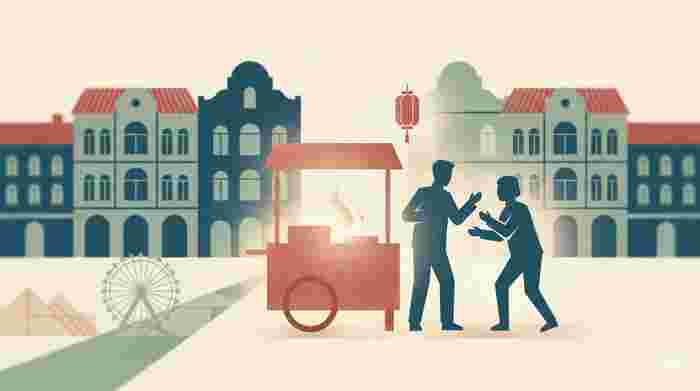
Spot on.
准确无误。
It's a rapid -fire comedic dialogue between two performers full of puns, cultural references, and
这是两位表演者之间连珠炮式的喜剧对话,充满了双关语、文化引用和
witty banter.
俏皮的逗乐。
But the thing about Tianjin is that this comedy doesn't just stay on the stage.
但关于天津的一点是,这种喜剧并不只停留在舞台上。
It bleeds into our daily lives.
它渗透进我们的日常生活。
The local dialect naturally sounds very melodic and slightly dramatic.
当地方言听起来自然地非常有旋律感,而且略显戏剧化。
We also have a very sweet, slightly funny habit.
我们还有一个非常甜蜜、有点有趣的习惯。
We call almost every woman jiejie, which means older sister, regardless of her actual age.
我们几乎管每个女人都叫“姐姐”,也就是 older sister,无论她的实际年龄是多少。
You could be a 20 -year -old girl and a 60 -year -old street vendor will affectionately call you jiejie
你可能是一个 20 岁的女孩,而一个 60 岁的街头小贩会亲切地叫你“姐姐”
to show respect and friendliness.
以表示尊重和友好。
That's amazing.
太神奇了。
Older sister as a universal term of endearment.
“姐姐”作为一个通用的爱称。
I can imagine that instantly breaks the ice.
我能想象那会瞬间打破僵局。
So if I wanted to experience this comedy culture firsthand, where should I go?
所以,如果我想亲身体验这种喜剧文化,我该去哪里?
You have to visit a traditional tea house.
你必须去参观一家传统茶馆。
Imagine stepping into a bustling wooden hall.
想象一下走进一个繁忙的木制大厅。
You sit at a square table and the waiter pours you a cup of jasmine tea.
你坐在一张方桌旁,服务员给你倒一杯茉莉花茶。
The air is filled with the sharp cracking sound of people eating roasted sunflower seeds.
空气中弥漫着人们吃炒葵花籽时发出的清脆响声。
Up on a small wooden stage, two performers in traditional silk robes are exchanging jokes.
在一个小木台上,两个穿着传统丝绸长袍的表演者正在交换笑话。
But the best part is the audience.
但最棒的部分是观众。
In Tianjin, the audience talks back.
在天津,观众会接话。
If the joke is good, they'll shout, hao, which means good, very loudly.
如果笑话讲得好,他们会非常大声地喊“好”,也就是 good 的意思。
If the performer misses a beat, the audience will lovingly tease them.
如果表演者慢了半拍,观众会亲切地打趣他们。
It's highly interactive and incredibly warm.
它是高度互动的,而且非常温馨。
I love that image.
我喜欢那个画面。
The smell of jasmine tea, the cracking of sunflower seeds, and the whole room bursting into
茉莉花茶的味道,葵花籽的碎裂声,还有整个屋子爆发出的
laughter.
笑声。
It sounds so much more intimate than a modern comedy club.
它听起来比现代喜剧俱乐部要亲切得多。
Now, speaking of the smell of food, we absolutely cannot talk about Tianjin without talking about
现在,说到食物的味道,如果不谈谈天津的...我们就绝对不能谈论天津。
breakfast.
早餐。
As a food writer, you must have strong feelings about this.
作为一名美食作家,你对此一定有很深的感触。
What is the ultimate Tianjin breakfast?
什么是天津终极的早餐?
Oh, Liam, you have just opened the most important topic of all.
哦,利亚姆,你刚刚开启了最重要的一个话题。
The undisputed king of Tianjin street food is Jianbing Guadze.
天津街头美食中无可争议的王者是煎饼馃子。
It's a savory crepe folded, but calling it a crepe does not do it justice.
它是一种折叠的咸味薄饼,但称其为薄饼并不能完全体现它的美妙。
Making it is a sensory performance.
制作它是一场感官表演。
Okay, I need you to paint this picture for me.
好吧,我需要你为我描绘一下这个画面。
I'm standing on a chilly street corner in Tianjin at seven in the morning.
清晨七点,我站在天津一个寒冷的街角。
What am I seeing, hearing, and smelling?
我看到了什么,听到了什么,又闻到了什么?
First, you feel the warmth radiating from the vendor's flat, round iron griddle.
首先,你会感觉到从摊主平圆铁铛上散发出的热量。
You hear the sizzle as they pour a ladle of thick batter onto the hot iron.
当他们把一勺浓稠的面糊倒在滚烫的铁板上时,你会听到滋滋声。
And here is the crucial detail.
这里有一个关键的细节。
Real Tianjin batter is made purely from stone -ground mung bean flour, not wheat flour, so it has
正宗的天津面糊纯粹是由石磨绿豆面做成的,而不是小麦粉,所以它有
this wonderfully earthy, slightly nutty aroma.
这种奇妙的泥土气息和淡淡的坚果香气。
They use a wooden scraper to spread it paper thin.
他们用木子刮板把它摊得像纸一样薄。
Then they crack an egg over it, smack, and spread it around.
然后他们在上面打一个蛋,啪的一声,把它摊开。
They flip this delicate golden sheet and brush it with a rich, dark fermented sweet bean sauce and a
他们翻动这张精致的金黄色薄片,刷上浓郁深色的发酵甜面酱和
kick of chili paste.
一点辣椒酱。
Oh wow, my mouth is literally watering right now.
哇,我现在简直要流口水了。
What goes inside the crepe?
薄饼里面夹什么?
Inside, you have two choices.
在里面,你有两个选择。
Either a youtiao, which is a fluffy deep -fried dough stick, or a baozui, which is an incredibly
要么是油条,一种蓬松的油炸面棒,要么是馃篦儿,一种极其
crispy golden cracker.
脆的金黄薄片。
When they fold the hot crepe around that crispy center and hand it to you in a paper bag, the first
当他们把热腾腾的薄饼折叠在酥脆的内芯上,并把它装在纸袋里递给你时,第一口
bite is pure heaven.
简直是人间美味。
You get the soft, slightly chewy mung bean crepe, the rich umami of the sauce, and that loud crunch
你会感受到柔软且略带嚼劲的绿豆薄饼,酱料浓郁的鲜味,以及那响亮的嘎嘣脆
from the inside.
从内部传来的口感。
It is perfection.
这就是完美。
That sounds like the perfect breakfast texture combination, but I heard there is a very strict,
听起来那是完美的早餐口感组合,但我听说在天津关于煎饼有一个非常严格的、
unspoken rule about jianbing in Tianjin.
不成文的规定。
Something about bringing your own egg.
关于自带鸡蛋的事情。
Is that a myth?
那是传闻吗?
Oh, it is 100 % true.
哦,那是100%真实的。
We call it the BYOE rule, bring your own egg, because many locals eat this every single day.
我们称之为 BYOE 规则,即自带鸡蛋,因为许多当地人每天都吃这个。
It's cheaper to bring an egg from your own kitchen, so it's completely normal to see businessmen in
从自家厨房带个鸡蛋更便宜,所以看到西装革履的商务人士和
suits and grandmas and pajamas waiting in line, each clutching two raw eggs in hands.
穿着睡衣的大妈排队等候,每个人手里都攥着两个生鸡蛋,这是非常正常的。
You just hand them to the vendor when it's your turn.
轮到你时,你只需把鸡蛋交给摊主。
Wait, I have to ask, what if I want to put something else in it, like a hot dog or some lettuce?
等等,我得问问,如果我想往里面加点别的,比如热狗或一些生菜呢?
I've seen that in other cities.
我在其他城市见过这种情况。
Liam, please do not say that out loud in Tianjin.
利亚姆,请不要在天津大声说出这种话。
Putting a hot dog, lettuce, or worse, a chicken tender into a jianbing guaze is considered a
把热狗、生菜,或者更糟糕的,把鸡柳放进煎饼馃子里,在我们的城市会被认为是
culinary crime in our city.
烹饪界的犯罪。
Locals will literally judge you.
当地人真的会审视(鄙视)你的。
We believe in keeping the tradition pure.
我们坚持保持传统的纯正。
Just the mung bean batter, egg, sauce, and the crispy dough.
只有绿豆面糊、鸡蛋、酱料和酥脆的馃子。
Nothing else.
没有别的。
Message received loud and clear.
信息收到,清清楚楚。
No hot dogs in the jianbing.
煎饼里不放热狗。
Let's shift gears a bit.
让我们转换一下话题。
We've talked about the history, the comedy, and the food, but Tianjin is also a massive modern
我们谈论了历史、喜剧和美食,但天津也是一个巨大的现代
metropolis.
大都市。
It has one of the largest ports in the world.
它拥有世界上最大的港口之一。
How does this city balance being a fast -paced modern megacity with that slow, relaxed tea house
这座城市如何将快节奏的现代巨型城市与那种悠闲、放松的茶馆平衡起来
lifestyle you described?
和你所描述的生活方式?
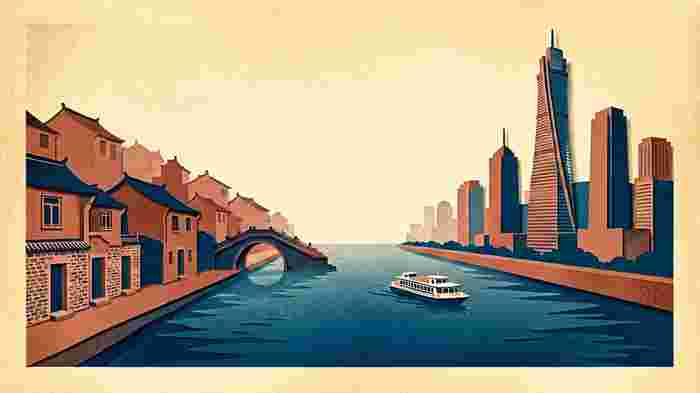
That is the magic of the Haiye River, which winds right through the center of the city.
这就是海河的魅力,它正好蜿蜒穿过市中心。
No matter how many skyscrapers go up, the river keeps the city grounded.
无论建起多少摩天大楼,这条河都让这座城市保持着沉稳。
At night, the bridges, and Tianjin has dozens of unique bridges, light up.
到了晚上,桥梁都会亮起灯火,而天津有几十座独特的桥梁。
One of them even has a giant ferris wheel built right onto it, called the Tianjin Eye.
其中一座桥上甚至建有一个巨大的摩天轮,被称为“天津之眼”。
People finish their busy workday in high -tech offices, but by sunset, they're walking their dogs
人们在搞科技办公室结束忙碌的工作,但到日落时分,他们就在遛狗
along the riverbanks, singing Peking opera under the bridges, or just sitting together chatting.
沿着河岸,在桥下唱京剧,或者只是聚在一起聊天。
It sounds like the river is the living room of the city, where everyone comes to decompress.
听起来这条河就像城市的客厅,每个人都来这里减压。
Exactly.
正是如此。
There was even a viral trend recently about the Tianjin diving grandpas.
最近甚至还有一个关于天津跳水大爷的爆火趋势。
These joyful elderly men were diving off the city bridges into the river, putting on a show for the
这些快乐的老年人从城市桥梁跳入河中,为观众表演
crowds, giving motivational speeches before they jumped.
人群,并在跳水前发表励志演讲。
While the local authorities eventually had to regulate it for safety reasons, it perfectly captured
虽然当地政府最终出于安全原因不得不对其进行管制,但它完美地捕捉到了
the spirit of Tianjin.
天津的精神。
We don't let modern stress crush our spirits.
我们不会让现代压力压垮我们的精神。
We find a way to have fun, make a joke, and enjoy the moment.
我们总能找到方法去寻找乐趣,开个玩笑,享受那一时刻。
That is a beautiful philosophy to live by.
这是一种非常美好的人生哲学。
Finding joy, sharing a joke, and eating a perfect mung bean crepe with your own egg.
寻找快乐,分享笑话,吃一个加了你自己带的蛋的完美绿豆薄饼(煎饼馃子)。
Chloe, thank you so much for taking us on this incredibly vivid journey.
Chloe,非常感谢你带我们领略这段如此生动的旅程。
I feel like I can hear the cross talk and taste the jianbing.
我觉得我能听到相声,尝到煎饼的味道。
It has been my absolute pleasure, Liam.
这是我莫大的荣幸,Liam。
Anyone listening is welcome to come to Tianjin.
欢迎每一位听众来到天津。
We'll greet you with a cup of tea and a good laugh.
我们会用一杯茶和爽朗的笑声来迎接你。
What an open invitation.
多么坦诚的邀请啊。
Alright, listeners, that brings us to the end of today's journey.
好了,听众们,今天的旅程就到此结束了。
But before we sign off, here's a quick question for you based on our conversation.
但在节目结束前,根据我们的对话,给你们留一个小问题。
What is the traditional Chinese comedy performance famous in Tianjin which translates to cross talk
在天津著名的、翻译成英文为 cross talk 的中国传统的喜剧表演是什么?
in English?
用英语表达?
Please write your answers down in the comments section or check out the comments to see what other
请在评论区写下你的答案,或者查看评论看看其他人
people have answered.
是如何回答的。
If you enjoyed exploring Tianjin with us, please remember to subscribe and share Talkcast with your
如果你喜欢和我们一起探索天津,请记得订阅并将 Talkcast 分享给你的
friends.
朋友们。
We truly appreciate all your enthusiastic feedback and support.
我们非常感谢你们所有热情的反馈和支持。
Also, a quick reminder, the English transcripts for this series are published regularly on the
另外提醒一下,该系列的英文文本会定期发布在
Talkcast official WeChat account.
Talkcast 官方微信公众号上。
So please head over there if you need to review the vocabulary or read long.
所以,如果你需要复习词汇或进行跟读,请前往那里。
Finally, let us know in the comments which city or cultural topic you're interested in exploring
最后,在评论中告诉我们你对探索哪个城市或文化话题感兴趣
next.
下一个。
And we'll choose our next episode based on your suggestions.
我们将根据你们的建议选择下一期节目。
Until next time, keep exploring.
下次见,继续探索吧。