Interactive transcript · 236 lines
Welcome back to TalkCast Discovery, Off the Map, Into the World.
欢迎回到 TalkCast 探索频道,走出地图,融入世界。
I'm your host, Olivia, and today we are heading to one of the most exciting cities on the planet,
我是你们的主持人奥利维亚,今天我们将前往星球上最令人兴奋的城市之一,
Shanghai.
上海。
Now here's something that might surprise you.
现在这里有一些可能会惊艳到你的事情。
Shanghai, this massive global city of over 24 million people was once just a small fishing village.
上海,这座拥有超过2400万人口的庞大国际大都市,曾经只是一个小渔村。
A fishing village, can you imagine?
一个小渔村,你能想象吗?
And in less than 200 years, it became one of the most important cities in the world.
而在不到200年的时间里,它就成为了世界上最重要的城市之一。
That is quite a story.
这真是一段相当了不起的故事。
And to help us tell that story, I'm thrilled to welcome Nathan, a cultural historian and travel
为了帮我们讲述这个故事,我非常兴奋地迎来了南森,他是一位文化历史学家和旅行
writer who has called Shanghai home for over eight years.
作家,他在上海居住了八年多。
Nathan, welcome to the show.
南森,欢迎来到节目。
Thank you so much, Olivia.
非常感谢你,奥利维亚。
It's great to be here.
很高兴能来到这里。
You know, I first came to Shanghai as a student, just planning to stay for one semester.
你知道的,我最初是作为一名学生来到上海的,只计划呆一个学期。
That was eight years ago.
那是八年前的事了。
The city just grabbed me and never let go.
这座城市抓住了我,就再也没有放手。
Every single day, I discover something new, a hidden alley, a tiny family restaurant, a story I've
每天,我都会发现一些新东西,一条隐藏的小巷,一家微型家庭餐馆,一个我
never heard before.
以前从未听过的故事。
Shanghai is one of those places that keeps revealing itself to you layer by layer.
上海就是那种不断向你层层揭示自身的城市。
Layer by layer, I love that.
层层剥茧,我太喜欢这个了。
And I think that's what makes Shanghai so special.
我想这就是让上海如此特别的原因。
It's not a city you can understand in a weekend.
这不是一个你在一个周末就能理解的城市。
So let's start peeling back those layers, beginning with the very foundation.
所以让我们开始剥开那些层层外表,从最初的基础开始。
Nathan, when people think of Shanghai, they often picture the Bund, that famous waterfront with all
南森,当人们想到上海时,他们经常会想象外滩,那个拥有所有
those grand European style buildings.
那些宏伟的欧式建筑的著名海滨。
But what's the real story behind the Bund?
但外滩背后的真实故事是什么呢?
Great question.
好问题。
So the word Bund actually comes from a Hindi word, meaning an embankment or a raised bank along a
所以“外滩”这个词实际上源自一个印地语词汇,意思是堤岸或沿
river.
河流的隆起河岸。
Before the 1840s, the area was just a muddy towpath, basically a dirt road beside the Huangpu River.
在1940年代之前,这个地区只是一条泥泞的纤道,基本上是黄浦江边的一条泥路。
But then after the first Opium War and the Treaty of Nanjing in 1842, Shanghai was opened as a
但在第一次鸦片战争和1842年的《南京条约》之后,上海作为
treaty port.
通商口岸被开放了。
That means foreign countries were allowed to set up trading posts and communities there.
这意味着外国被允许在那里建立贸易站和社区。
And the Bund became the center of all that activity.
而外滩成为了所有这些活动的中心。
So it went from a muddy riverbank to a major financial center?
所以它从一个泥泞的河岸变成了一个主要的金融中心?
Exactly.
完全正确。
By the 1920s and 1930s, people were calling it the Wall Street of the Far East.
到20世纪20和30年代,人们称它为远东的华尔街。
Banks, trading companies, and foreign consulates all lined up along the waterfront.
银行、贸易公司和外国领事馆都在水滨一字排开。
And the buildings they put up, they're absolutely stunning.
他们建造的那些建筑,绝对是惊艳的。
You've got Gothic, Baroque, Neoclassical, Art Deco, all standing side by side.
这里有哥特式、巴洛克式、新古典主义、装饰艺术风格,全都并肩耸立。
People sometimes call it a museum of world architecture.
人们有时称它为世界建筑博物馆。
And honestly, that's not an exaggeration.
老实说,这并不是夸张。
That's fascinating.
这真是迷人。
So you can literally walk along one street and see the whole history of Western architecture.
所以你简直可以沿着一条街走,就能看到西方建筑的整个历史。
You really can.
你真的可以。
And here's what makes it even more interesting.
而这正是让它更有意思的地方。
When you stand on the Bund and look across the river, you see the Pudong skyline, the Shanghai
当你站在外滩眺望江对岸时,你会看到浦东天际线、上海
Tower, the Oriental Pearl Tower, all these futuristic skyscrapers.
中心大厦、东方明珠塔,所有这些具有未来感的摩天大楼。
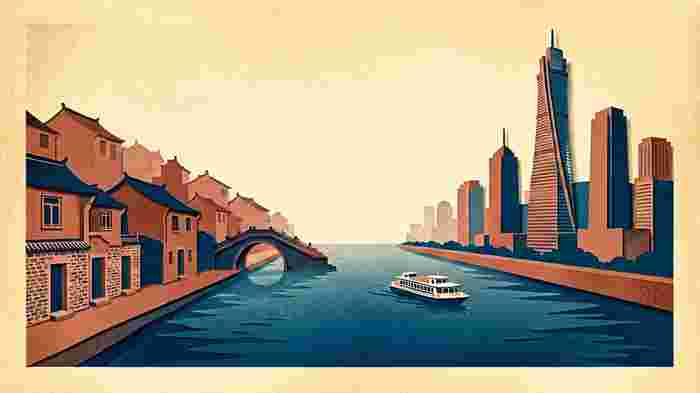
So on one side, you have the 20th century, the Old World.
所以在一边,你拥有20世纪,即旧世界。
On the other side, you have the 21st century, the New World.
在另一边,你拥有21世纪,即新世界。
It's like looking at two different eras face to face.
这就像是面对面地看着两个不同的时代。
That contrast, old and new, east and west, that is the soul of Shanghai.
这种新旧、东西方的对比,就是上海的灵魂。
What a powerful image.
多么具有冲击力的画面啊。
Now, speaking of contrasts, I wanna move from these grand buildings to something much more intimate,
现在,说到对比,我想从这些宏伟的建筑转向更亲切、更贴近生活的东西,
the old neighborhoods.
也就是老街区。
I've heard that Shanghai has this unique type of housing called Shikumen.
我听说上海有一种被称为石库门独特的住宅类型。
Can you tell us about that?
你能给我们讲讲这个吗?
Oh, Shikumen, this is one of my favorite topics.
哦,石库门,这是我最喜欢的话题之一。
So Shikumen literally means stone gate.
所以石库门字面意思就是石头大门。
These are traditional neighborhood houses built starting in the mid 1800s.
这些是从19世纪中叶开始建造的传统街区房屋。
What makes them so special is that they blend two completely different styles.
它们如此特殊的原因在于它们融合了两种完全不同的风格。
The layout inside follows the traditional Jangnan courtyard design.
内部布局遵循传统的江南四合院设计。
That's the classic style from Southern China.
那是来自中国南方的经典风格。
But the outside looks more like a European terraced house with a big stone framed wooden door at the
但外观看起来更像欧洲的联排住宅,入口处有一扇带大石框的木门。
entrance.
入口处。
That stone door is the Shikumen.
那扇石门就是石库门。
So even the houses themselves are a mix of east and west?
所以连房屋本身也是东西方的结合?
That's so Shanghai.
这太上海了。
Right, it's Shanghai in a nutshell.
没错,这就是上海的缩影。
And these houses weren't scattered around randomly.
而且这些房子并不是随机散落各处的。
They were arranged into neighborhoods of narrow connected lanes.
它们被排列成由狭窄相连的小巷组成的街区。
We call them longtang or sometimes leelong.
我们称之为弄堂,有时也叫里弄。
These lanes were the heart of community life.
这些小巷是社区生活的核心。
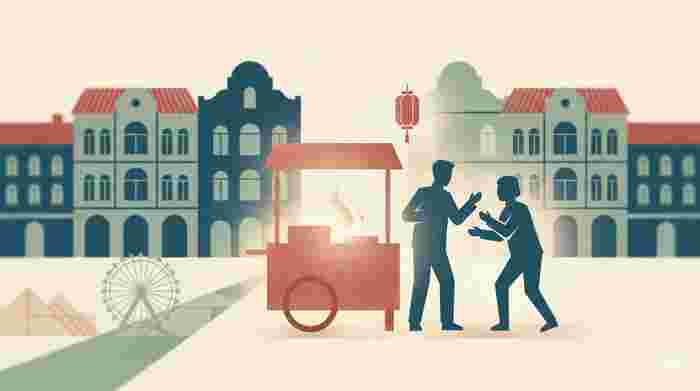
Picture this, narrow alleyways where neighbors hang their laundry on bamboo poles overhead, kids are
想象一下,狭窄的小巷里,邻居们把衣服晾在头顶的竹竿上,孩子们在玩耍,
playing, old man are sitting on tiny wooden stools playing chess, and someone is frying scallion
老人坐在小木凳上下棋,有人正在家门口的小炉子上煎葱油饼。
pancakes on a small stove right at the entrance of their home.
家门口的小炉子上煎着葱油饼。
The smell of sizzling dough and green onions fills the whole lane.
面团和青葱滋滋作响的香味弥漫了整条弄堂。
Oh wow, I can almost smell that.
哦哇,我几乎能闻到那个香味了。
It sounds so alive, so full of energy.
听起来那么有生气,充满活力。
It really was.
它真的是这样。
At their peak in the 1920s and 1930s, Shikumen neighborhoods housed over 60 % of Shanghai's
在20世纪20年代和30年代的鼎盛时期,石库门街区容纳了上海60%以上的人口,
population, 60%.
60%的人口。
The longtang was where people lived their entire lives, where they grew up, got married, raised
弄堂是人们度过一生的地方,他们在那里长大、结婚、抚养孩子。
their children.
养育他们的孩子。
It was more than housing, it was a whole world.
这不仅仅是住房,而是一个完整的世界。
That's incredible.
这太令人难以置信了。
But I imagine many of these old neighborhoods have been affected by the city's rapid modernization.
但我想象许多这些老街区都受到了城市快速现代化的影响。
Yes, unfortunately, as Shanghai grew into a modern mega city, a lot of Shikumen areas were torn down
是的,不幸的是,随着上海发展成为一个现代化的特大城市,许多石库门地区被拆除了,
to build high rises and shopping malls.
用来建造高层建筑和购物中心。
But there have been some really interesting preservation efforts.
但也有一些非常有趣的保护努力。
For example, there's Xintiendi, an old Shikumen neighborhood that was renovated and turned into a
例如,新天地是一个老石库门街区,经过翻新,变成了
trendy area with cafes, restaurants, and art galleries.
一个拥有咖啡馆、餐厅和艺术画廊的潮流区域。
They kept the original stone gate architecture, but gave the buildings new life inside.
他们保留了原始的石门建筑,但赋予了建筑物内部新的生命。
And more recently, Zangwan, one of the oldest surviving longtang areas has been carefully restored.
最近,作为现存最古老的弄堂区之一的张园,得到了精心的修复。
You could walk through it now and really feel that connection to old Shanghai.
你现在可以漫步其中,真正感受到与老上海的联系。
That's wonderful to hear.
听到这个真是太棒了。
Now I have to ask about the food because Shanghai cuisine is legendary.
现在我必须问问食物,因为上海菜是传奇般的。
And I think many of our listeners have heard of xiao long bao, those little soup dumplings.
我想我们的许多听众都听说过小笼包,那些小巧的汤包。
Nathan, give us the full experience.
内森,给我们带来完整的体验吧。
What is it really like to eat a proper xiao long bao in Shanghai?
在上海吃一个地道的小笼包到底是什么感觉?
Oh, you're speaking my language now.
哦,你现在说的话正合我意。
Okay, so first, the history.
好的,那么首先是历史。
Xiao long bao originated in a town called Nansang, just on the outskirts of Shanghai back in the
小笼包起源于南翔镇,也就是19世纪时上海的郊外。
1800s.
19世纪。
A pastry shop owner figured out how to put a meat stock jelly inside the dumpling filling.
一家点心铺的老板想出了如何在饺子馅里加入肉冻。
When you steam it, that jelly melts into a rich savory broth.
当你蒸它的时候,肉冻就会融化成浓郁美味的汤汁。
So every dumpling is basically a tiny bag of soup wrapped in thin dough.
所以每个饺子基本上就是一个用薄面皮包着的小汤包。
A tiny bag of soup.
一个小汤包。
I love that description.
我很喜欢这个描述。
And here's the thing about eating it properly.
关于如何正确地吃它,这里有讲究。
You don't just pop it in your mouth.
你不能直接把它塞进嘴里。
That would be a disaster because that soup inside is boiling hot.
那将是一场灾难,因为里面的汤滚烫。
What you do is carefully pick it up with chopsticks, put it on your spoon, and then gently bite a
你要做的是小心翼翼地用筷子夹起它,放在勺子上,然后轻轻咬开皮上的一個
small hole in the skin.
小洞皮。
You let the soup cool just a little, then you sip.
让汤稍微冷却一点,然后你再啜饮。
And that first sip, oh, it's incredible.
第一口汤,哦,简直不可思议。
The broth is rich and savory with this deep pork flavor and a hint of ginger.
肉汤浓郁可口,带有浓郁的猪肉香味和一丝姜味。
Then you dip what's left in dark vinegar with shredded ginger.
然后你把剩下的蘸入配有姜丝的陈醋中。
The vinegar cuts through the richness perfectly.
醋完美地中和了油腻感。
My mouth is watering right now.
我现在都在流口水了。
Are there other dishes that people should know about?
还有其他人应该了解的其他菜肴吗?
Absolutely.
当然。
Shanghai cuisine has two main traditions.
上海菜有两个主要传统。
The first is Benbang.
首先是本帮。
That's the traditional local cooking.
那是传统的本地烹饪。
It focuses on fresh ingredients, especially seafood, and has this beautiful sweet and savory flavor.
它注重新鲜食材,特别是海鲜,并且具有这种绝妙的甜咸风味。
The signature dish is probably Hongshao rou, red braised pork belly.
其招牌菜可能是红烧肉。
The pork is cooked slowly in dark soy sauce, rock sugar, and Shaoxing rice wine until it becomes so
猪肉用老抽、冰糖和绍兴黄酒慢炖,直到变得如此
tender it almost melts on your tongue.
软嫩得几乎入口即化。
The color is a deep glossy reddish brown, and the flavor is this perfect balance of sweet and salty.
颜色是深沉有光泽的红褐色,味道则是甜与咸的完美平衡。
That sounds amazing.
听起来太棒了。
You said there are two traditions.
你说有两个传统。
What's the second one?
第二个是什么?
The second is high pie cuisine, and this one is really fun.
第二个是海派菜,这个真的很有趣。
High pie basically means the Shanghai style.
海派基本上意味着上海风格。
It's all about fusion.
这完全关乎融合。
When Shanghai became an international port, people from all over the world brought their cooking
当上海成为国际港口时,来自世界各地的人们带来了他们的烹饪
traditions.
传统。
So Shanghai chefs started mixing Chinese techniques with Western flavors.
因此上海厨师开始将中国烹饪技法与西方风味混合。
For example, there's Liu Song Tong, which is actually Shanghai's version of Russian borscht, and
例如说,有罗宋汤,这其实是上海版的俄式红菜汤,以及
there are breaded pork chops served with Worcestershire sauce.
配有伍斯特酱的炸猪排。
These dishes have been around for over 100 years now.
这些菜肴存在已经超过100年了。
They're not Chinese, they're not Western, they're pure Shanghai.
它们不是中式的,也不是西式的,它们是纯正的上海风味。
That's so interesting, Shanghai borscht.
太有趣了,上海罗宋汤。
I never would have expected that.
我绝没想到会这样。
You know, it seems like everything about Shanghai is about this blending of cultures.
你知道,似乎上海的一切都与这种文化的融合有关。
That's exactly right.
完全正确。
And I think you can feel it most when you visit Yu Garden, Yu Yan, in the heart of the old city.
我想当你参观位于老城中心的豫园时,这种感受最深。
This garden was built during the Ming dynasty, starting in 1559.
这座花园建于明代,始建于1559年。
A government official named Pan Yun Duan built it as a gift for his elderly parents.
一位名叫潘允端的官员建造它是为了作为送给自己年迈父母的礼物。
The name Yu actually means peace or happiness.
“豫”这个名字实际上意味着和平或幸福。
It was an act of love.
这是一场爱的行动。
Wait, a man built an entire garden as a gift for his parents?
等等,一个男人建造了整个花园作为送给他父母的礼物?
That's beautiful.
那真是美丽。
Isn't it?
不是吗?
And the design is incredible.
而且这个设计真是难以置信。
It follows the Jiangnan Garden style, which is all about creating harmony with nature.
它遵循江南园林的风格,其核心在于创造与自然的和谐。
You walk along winding paths, cross zigzag bridges, and everywhere you look, there are carefully
你沿着蜿蜒的小路走,穿过九曲桥,环顾四周,到处都是精心
placed rocks and flowing water.
摆放的岩石和流淌的水。
There's actually a reason the bridges are zigzag shaped, by the way.
顺便说一句,桥呈“之”字形其实是有原因的。
According to Chinese tradition, evil spirits can only travel in straight lines.
根据中国传统,邪灵只能走直线。
So the zigzag bridges protect you.
所以“之”字桥能保护你。
Huh, that's a great detail.
哈,这是一个很棒的细节。
I'm going to think about that every time I see a zigzag bridge now.
现在我每次看到九曲桥都会想到这一点。
So what's the area around the garden like?
那么花园周围的地区是什么样的?
Ah, it's buzzing with life.
啊,那里充满了生机。
Right next to Yu Garden is the City God Temple, Chang Huang Miao.
紧挨着豫园的就是城隍庙。
There's a famous saying in Shanghai, anyone who fails to see the City God Temple fails to see
上海有一句著名的俗语,不游城隍庙,等于不游
Shanghai.
上海。
And surrounding both the garden and the temple is the Yu Yan Bazaar, a huge, bustling market area.
环绕着花园和寺庙的是豫园商城,一个巨大的、熙熙攘攘的市场区域。
Imagine traditional Chinese architecture, little shops selling everything from silk fans to jade
想象一下传统的中国建筑,从丝绸扇子到玉器应有尽有的小店铺
ornaments, food stalls with steam rising into the air, and crowds of people everywhere.
饰品,热气腾腾的小吃摊,到处都是人群。
You can actually get some of the best xiao long bao right there in the bazaar.
你确实可以在那里的集市上买到最好吃的小笼包。
It sounds like the perfect place to experience old Shanghai.
听起来这是体验老上海的完美地方。
Now, let's fast forward to modern Shanghai.
现在,让我们快进到现代上海。
You mentioned Pudong earlier, that futuristic skyline across the river.
你刚才提到了浦东,江对岸那座未来主义的天际线。
What's the story there?
那里的故事是什么?
This is maybe the most dramatic transformation story in modern urban history.
这也许是现代城市史上最戏剧性的转型故事。
In 1990, Pudong, specifically the Lujazhuai area, was mostly farmland, warehouses, and small
1990年,浦东,特别是陆家嘴地区,大部分是农田、仓库和小
villages.
村庄。
Then the government decided to develop it into a world -class financial zone.
然后政府决定将其发展成为世界级的金融区。
And in just about 30 years, it went from rice paddies to one of the most recognizable skylines on
仅仅大约30年时间,它就从稻田变成了最具辨识度的天际线之一
earth.
地球上。
The Shanghai Tower, which is the tallest building in China, is there.
中国最高的建筑上海中心大厦就在那里。
Its design actually spirals upward like a dragon ascending, a nod to Chinese culture.
它的设计实际上像一条腾飞的巨龙一样向上盘旋,向中国文化致敬。
From rice paddies to a dragon -shaped skyscraper in 30 years?
从稻田到龙形摩天大楼只用了30年?
That's unbelievable.
这真是难以置信。
It really is.
这真的是。
And it created this interesting cultural split that locals talk about, the Pushi versus Pudong
它造成了当地人津津乐道的这种有趣的文化分歧,即浦西与浦东
identity.
认同感。
Pushi, the west side, is the historic Shanghai, the Bund, the old lanes, the traditional
浦西,西侧,是历史悠久的上海,外滩,老弄堂,传统的
neighborhoods.
街区。
Pudong, the east side, represents the future, finance, technology, ambition.
浦东,东侧,代表着未来、金融、科技和雄心。
When you ride the ferry across the Hongpu River, you literally feel like you're traveling through
当你坐渡轮穿过黄浦江时,你简直觉得自己正在穿越
time.
时间。
Traveling through time, what a way to put it.
穿越时空,真是个好说法。
Is there anything about Shanghai that still surprises you, even after eight years?
即使在八年之后,上海是否仍然有什么事情让你感到惊讶?
Honestly, the thing that surprises me most is how the city keeps its human warmth despite being so
说实话,最让我惊讶的是,尽管这座城市如此庞大和现代,它却依然保持着人情味
massive and modern.
巨大且现代。
I live near a small long tongue in the former French concession.
我住在前法租界的一个小弄堂附近。
Every morning, my neighbor, this lovely elderly lady, sets up a tiny stool outside her door and
每天早晨,我的邻居,这位可爱的年迈的女士,都会在她家门外摆一个小凳子,
makes zhang bing, a savory breakfast crepe on a flat griddle.
在一个平底锅上做面饼,一种咸香的早餐煎饼。
The batter sizzles, she cracks an egg on top, adds crispy fried dough and spring onions.
面糊滋滋作响,她在上面打了一个鸡蛋,加入脆油条和香葱。
The whole lane smells incredible.
整条弄堂闻起来好得令人难以置信。
People line up with their thermoses of hot soy milk, chatting about the weather or last night's TV
人们拿着装有热豆浆的保温瓶排队,聊着天气或昨晚的电视
show.
节目。
That's still Shanghai too.
这也是依然的上海。
Underneath all the skyscrapers and the neon lights, it's still a city of neighborhoods and
在所有摩天大楼和霓虹灯之下,它依然是一座充满街坊邻里和
neighbors.
邻居的城市。
That is such a beautiful image to end on.
这是一个多么美丽的画面来作为结束。
Nathan, thank you so much for sharing your love of Shanghai with us today.
内森,非常感谢你今天与我们分享你对上海的热爱。
I feel like I've just taken a wonderful trip.
我觉得我刚刚进行了一次美妙的旅行。
Thank you, Olivia.
谢谢你,奥利维亚。
It's been a real pleasure.
这真是个极大的荣幸。
I hope your listeners will visit Shanghai someday and discover their own favorite lane, their own
我希望你的听众有一天能访问上海,并发现他们自己最喜欢的弄堂、他们自己的
favorite dumpling shop, their own little piece of this amazing city.
最喜欢的饺子店、他们在这座奇妙城市中属于自己的那一小部分。
I'm sure they will.
我确信他们会的。
And speaking of discovery, here's a fun question for all of you listening.
说到提及发现,这里有一个有趣的问题要问所有在听的你们。
Shanghai's famous xiaolongbao soup dumplings are known for having at least a certain number of
上海著名的灌汤小笼包以至少拥有一定数量的
pleats on top.
顶部褶皱而闻名。
Do you know how many pleats a traditional xiaolongbao should have?
你知道一个传统的小笼包应该有多少个褶皱吗?
Write your answer in the comments or check the comments to see what other listeners think.
在评论中写下你的答案,或者查看评论来看看其他听众是怎么想的。
That's all for today's episode of TalkCast Discovery.
以上就是今天TalkCast Discovery单集节目的全部内容。
If you enjoyed this journey through Shanghai, please subscribe and share TalkCast with your friends.
如果你喜欢这次的上海之旅,请订阅并与你的朋友分享TalkCast。
It really helps us grow.
这真的能帮助我们成长。
And thank you so much to everyone who has sent us feedback and kind words.
非常感谢所有给我们发送反馈和暖心话语的人。
We truly appreciate your support.
我们真诚地感谢您的支持。
A quick reminder, the English transcript of this episode and others in the series will be posted
温馨提示,本期节目及该系列其他节目的英语文字记录将被发布
regularly on the TalkCast official WeChat account.
定期发布在TalkCast官方微信账号上。
So head over there if you'd like to read along.
如果你想跟读,就去那边阅读吧。
And finally, we want to hear from you.
最后,我们想听到你们的声音。
Leave a comment telling us which place or topic you'd like us to explore next.
留下评论告诉我们你希望我们接下来探索哪个地方或话题。
Your suggestions help us choose our future episodes.
你们的建议帮助我们选择未来的节目。
Until next time, keep exploring, keep discovering, and remember the best journeys are the ones that
直到下次,继续探索,继续发现,并且记住最好的旅行是那些
take you off the map and into the world.
带你离开地图,走进世界的旅行。
See you next time.
下次见。