Interactive transcript · 236 lines
Hello, hello, everyone!
哈啰,哈啰,大家!
Welcome back to another exciting episode of TalkCast Speaking.
欢迎回到 TalkCast Speaking 的新一期精彩节目。
I'm your host, Sarah, and I am absolutely thrilled to have you here with us today.
我是主持人 Sarah,今天能有你们的陪伴,我感到非常兴奋。
If you're looking to make your English sound more natural, confident, and practical, you are
如果你想让自己的英语听起来更自然、更自信、更实用,那么你
definitely in the right place.
绝对是来对地方了。
And I'm Kevin.
我是凯文。
Hi, Sarah.
嗨,莎拉。
And hi to all our lovely listeners out there.
也向我们所有的可爱听众们问好。
I'm so glad to be back on the show.
我非常高兴能重返节目。
Today's topic is something I've been secretly begging Sarah to teach me for months, so I'm probably
今天的课题是我几个月来一直偷偷求 Sarah 教我的,所以我可能
more excited than anyone else. Yes.
比其他任何人都更兴奋。是的。
Today, we are diving deep into the art of negotiation.
今天,我们将深入探讨谈判的艺术。
Specifically, we are talking about how to haggle, bargain, and get the best deals in English without
具体来说,我们在讨论如何用英语讲价、讨价还价并拿到最优惠的价格,且不会
sounding rude or awkward.
听起来粗鲁或尴尬。
It's what I like to call bargaining like a VIP.
这就是我喜欢称之为像 VIP 一样讨价还价。
Oh, thank goodness.
哦,感谢老天。
To be honest, Sarah, I am absolutely terrible at this.
老实说,Sarah,我在这一块真的很糟糕。
I remember traveling to a vintage flea market in New York last year.
我记得去年去纽约的一个复古跳蚤市场旅行。
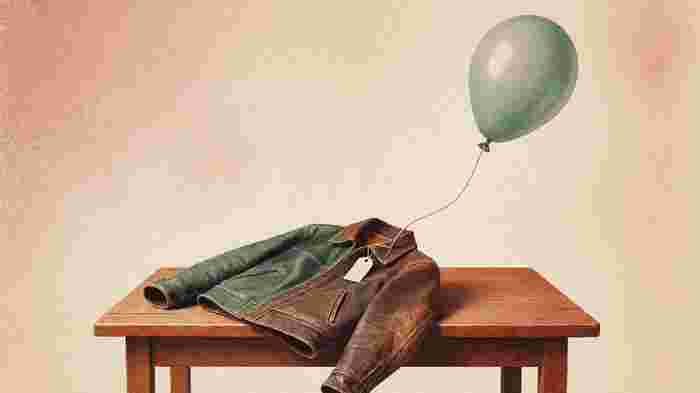
I saw this gorgeous leather jacket, but the price tag was $80.
我看中了一件非常漂亮的皮衣,但标价是 80 美元。
I wanted to ask for a discount so badly, but my mind just went blank.
我非常想要点折扣,但我脑子里一片空白。
I didn't want to sound impolite, so I just paid the full $80, and my wallet cried for the rest of
我不想显得不礼貌,所以我直接付了 80 美元全款,在剩下的
the week.
一周里,我的钱包都在哭泣。
Aw, I think we have all been there, Kevin.
噢,我想我们都经历过,凯文。
It is completely normal to feel nervous.
感到紧张是完全正常的。
In many English -speaking cultures, bargaining isn't as common in daily life as it is in some other
在许多英语文化中,讨价还价在日常生活中不像在其他某些文化中那样常见,
countries, so learners often worry about breaking social rules.
国家那样,所以学习者往往担心打破社交规则。
But don't worry.
但别担心。
By the end of today's episode, you'll have the exact tools and confidence you need to negotiate smoothly.
到今天这期节目结束时,你将掌握顺畅进行谈判所需的具体工具和信心。
That sounds like exactly what I need.
这听起来恰好是我需要的。
Let's do it.
我们开始吧。
Where do we start, teacher?
我们从哪里开始呢,老师?
Let's start with some basic vocabulary so we have a strong foundation.
我们先从一些基础词汇开始,这样就能打下坚实的基础。
You've already heard us use two key verbs, bargain and haggle.
你们已经听到我们使用了两个关键动词,bargain 和 haggle。
While they are very similar, haggle is specifically the act of negotiating back and forth over a price.
虽然它们非常相似,但 haggle 具体是指就价格反复协商的行为。
For example, you can say, I love to haggle with local vendors at flea markets.
例如,你可以说,我喜欢在跳蚤市场和当地摊贩讲价。
On the other hand, bargain can also be a noun, meaning a very good deal.
另一方面,bargain 也可以是一个名词,意思是划算的买卖。
Like, this jacket was a real bargain.
比如,这件夹克买得真的很划算。
Ah, I see.
啊,我明白了。
So if I buy something for a very low price, I can say, wow, what a bargain.
所以如果我以极低的价格买了东西,我可以说,哇,真划算。
Is that right?
这样对吗?
Spot on.
完全正确。
That's exactly how you use it.
你用得完全正确。
Now, let's talk about the price tag.
现在,我们来聊聊价格标签。
The price written on the tag is often called the retail price or the asking price.
标签上写的价格通常被称为零售价或要价。
If a price is way too high, we don't just say too expensive.
如果价格太高,我们不单单会说太贵了。
A more native, casual way to describe it is overpriced or even a ripoff.
一种更地道、更随意的描述方式是定价过高,甚至是被宰了。
Oh, a ripoff.
哦,敲竹杠。
I've heard that in movies.
我在电影里听到过这个词。
Like, $10 for a bottle of water.
比如,一瓶水卖 10 美元。
That is a total ripoff.
那完全是在敲竹杠。
Is that correct?
那是正确的吗?
Yes, exactly.
是的,确实如此。
It means you feel cheated because the price is ridiculously high.
这意味着你觉得被坑了,因为价格高得极其离谱。
But what about the opposite?
但是相反的情况呢?
If a price is incredibly low and you got a fantastic deal, we call it a steal.
如果价格难以置信地低,而且你买得很划算,我们称之为极便宜的东西。
As in, I bought this vintage camera for only $5.
比如,我只花了5美元就买了这部复古相机。
It was a steal.
这简直是大捡漏。
Wait, really?
等等,真的吗?
A steal?
捡漏?
As in stealing?
就像偷窃那样?
That's hilarious.
那太滑稽了。
So I'm not actually committing a crime.
所以我实际上并没有犯罪。
I'm just getting a crazy good deal? Precisely.
我只是占了个大便宜?完全正确。
It's completely legal, I promise.
这完全是合法的,我保证。
Now that we have these words down, let's transition to how we actually start a negotiation.
既然我们掌握了这些词,让我们过渡到如何真正开始谈判。
This is where most English learners get stuck.
这就是大多数英语学习者被卡住的地方。
Kevin, if you wanted to ask for a lower price, what would you normally say?
凯文,如果你想要求更低的价格,你通常会怎么说?
Well, in the past, I think I've said things like, can cheap?
嗯,在过去,我想我常说类似“能便宜吗?”这样的话。
Or maybe, give me discount, please?
或者也许是,“请给我折扣,好吗?”
But now that I say it out loud, it sounds a bit, I don't know, a bit aggressive.
但现在大声说出来,听起来有一点,我不知道,有一点具有攻击性。
You hit the nail on the head, Kevin.
你击中了要害,凯文。
Saying, give me a discount or can cheap?
说“给我折扣”或者“能便宜吗?”
Is very direct and can actually sound quite demanding or impolite to a native speaker.
这样说非常直接,对母语人士来说,听起来可能相当苛刻或不礼貌。
In English, we prefer a more indirect, gentle approach to kick off the negotiation.
在英语中,我们倾向于使用更间接、温和的方式来开启谈判。
Here is one of my absolute favorite expressions.
这是我绝对最喜欢的表达方式之一。
Is there any wiggle room on the price?
这个价格还有回旋余地吗?
Ooh, wiggle room.
噢,回旋余地。
I love that word.
我喜欢这个词。
It sounds like wiggling my toes.
听起来就像扭动我的脚趾。
What does it actually mean in this context?
在具体语境中它到底是什么意思?
It's a fantastic idiom.
这是一个极好的习语。
Wiggle room simply means flexibility or space to make changes.
回旋余地简单来说就是灵活性或做改变的空间。
So when you ask, is there any wiggle room on the price?
所以当你问“这价格还有回旋余地吗?”
You are politely asking, is this price flexible?
你是在礼貌地询问,这个价格是可变动的吗?
It's friendly, professional, and shows you respect the seller.
这既友好、专业,又表明你尊重卖家。
That is so smooth.
那可真是太流畅了。
Let me practice that real quick.
让我快速练习一下。
Excuse me, is there any wiggle room on the price of this face?
打扰一下,这件商品的价格还有回旋余地吗?
How did I sound?
我听起来怎么样?
You sounded like a natural -born negotiator.
你听起来就像个天生的谈判家。
Perfect rhythm and tone.
完美的节奏和语调。
Now, another elegant sentence structure you can use to suggest your own price is, I was hoping to
现在,你可以用来提出自己价格的另一个优雅的句型结构是“我原本希望……”
spend around, and then you say your budget.
花费大约……,然后你说出你的预算。
For example, I was hoping to spend around $30.
例如,我原本希望花费30美元左右。
Ah, using the pass continuous, I was hoping, makes it sound less like a demand and more like a
啊,使用过去进行时“I was hoping”,使其听起来不太像要求,而更像一个……
gentle suggestion, right? Exactly.
温和的建议,对吧?一点也没错。
It's a wonderful linguistic strategy called softening.
这是一种被称为“软化”的绝妙语言学策略。
It makes your request sound much more polite.
它会让你的请求听起来礼貌得多。
And if you want to ask the seller for their absolute lowest offer, you can say, what is your best
如果你想问卖家他们绝对最低的报价,你可以说,“你最好的……”
price on this?
这件商品的价格是多少?
Or is this the best you can do?
或者说这就是你能给出的最佳优惠了?
Wow, these are great.
哇,这些太棒了。
What's your best price on this is so simple, but so effective.
“这最低多少钱”这句话非常简单,但却非常有效。
But Sarah, before we practice, I have a big question.
但是莎拉,在我们练习之前,我有一个大问题。
Where is it actually okay to bargain?
究竟在哪些地方讲价才是合适的呢?
I feel like if I tried to bargain at a supermarket, people would think I'm crazy.
我觉得如果我在超市里还价,大家会觉得我疯了。
That is an incredibly important point, Kevin, and I'm so glad you brought it up.
凯文,这是一个极其重要的观点,我很高兴你提到了这一点。
Yes, cultural context is everything.
是的,文化背景决定了一切。
In Western countries, you should never try to negotiate prices in department stores, supermarkets,
在西方国家,你绝不应该在百货公司、超市里尝试协商价格,
chain restaurants, or standard retail shops.
连锁餐厅或标准的零售店也一样。
Those prices are strictly fixed. Whew.
那些价格都是严格固定的。呼。
Okay, so no haggling at Starbucks for my morning coffee.
好吧,所以买早晨的星巴克咖啡时不能讨价还价。
Got it.
懂了。
Definitely no haggling at Starbucks.
绝对不能在星巴克讲价。
However, you can absolutely bargain at flea markets, garage sales, antique shops, farmers markets,
不过,在跳蚤市场、旧货出售、古董店、农贸市场,
and when buying big ticket items like a used car, a house, or furniture.
以及购买二手车、房子或家具等大件物品时,你绝对可以砍价。
Oh, and here's a secret tip.
哦,这里还有一个秘密小贴士。
If you are in a regular retail store and you notice a small defect, like a scratch on a table or a
如果你在普通的零售店里发现微小的缺陷,比如桌子上的划痕或
missing button on a shirt, you can politely ask for a discount.
衬衫上掉了扣子,你可以礼貌地要求折扣。
Wait, really?
等等,真的吗?
Even in a major store?
即使是在大型商店里?
Yes, absolutely.
是的,绝对可以。
You can point out the defect to a manager and say something like, since this item is slightly
你可以向经理指出瑕疵并这样说:既然这个商品稍微
damaged, is there any chance of a discount?
受损了,有没有可能打个折呢?
Most of the time, they will happily give you 10 or 15 % off just to sell the item.
大多数情况下,他们会很高兴给你打八五折或九折,只为了把商品卖出去。
That is a gold nugget of advice right there.
那绝对是个金块般宝贵的建议。
I'm definitely keeping that trick in my back pocket.
我一定会把这个技巧记在心里。
Now, Sarah, can we try a roleplay?
现在,莎拉,我们可以试试角色扮演吗?
I really want to test these new phrases out.
我真的很想测试一下这些新短语。
I would love to.
我很乐意。
Let's set the stage.
我们来设定一下情境。
Imagine you are at a famous weekend flea market in London.
想象一下你正在伦敦一个著名的周末跳蚤市场。
You are looking at a beautiful antique pocket watch.
你正在看一块精美的古董怀表。
I am the seller, and the price tag on the watch says 50 pounds.
我是卖家,表上的标签写着50英镑。
You want to buy it, but you're hoping to pay 40 pounds.
你想买它,但希望付40英镑。
Let's see how you handle this.
让我们看看你如何处理这个情况。
Whenever you're ready, go.
你随时准备好了,就开始。
Okay, let me get into character.
好吧,让我进入角色。
Um, hello?
嗯,你好?
This is a really nice pocket watch, but 50 pounds is too expensive.
这块怀表真的很漂亮,但是50英镑太贵了。
Can you give me a discount?
能给我打个折吗?
I want to pay 30 pounds.
我想付30英镑。
And freeze?
然后定格?
Okay, Kevin, let's pause right there.
好的,凯文,我们就先暂停在这里。
First of all, thank you for trying.
首先,谢谢你的尝试。
But let's look at this using our three -step correction method.
但让我们用我们的三步纠正法来看看这个过程。
Let's analyze the common mistakes here so our listeners can learn from them too.
让我们分析一下这里的常见错误,这样我们的听众也能从中学习。
Oh boy, did I make a mess of it.
天哪,我把它搞成一团糟了吗。
What did I do wrong?
我做错了什么?
Not a mess at all, just very common learner errors.
一点也不糟糕,只是非常常见的学习者错误。
First, you said 50 pounds is too expensive.
首先,你说50英镑太昂贵了。
In English bargaining, directly calling something too expensive can sometimes sound a bit rude or
在英语讨价还价中,直接说东西太贵有时听起来有点不礼貌,或者
insulting to the seller's product.
是对卖家产品的侮辱。
Second, you said, can you give me a discount?
其次,你说,你能给我打个折扣吗?
And I want to pay 30 pounds.
而且我想支付30英镑。
Using give me and I want sounds like a command, which puts the seller on the defensive.
使用“给我”和“想要”听起来像是命令,这会让卖家产生戒心。
Ah, that makes sense.
啊,那很有道理。
It sounds like I'm bossing you around instead of negotiating.
听起来我像是在指挥你,而不是在谈判。
How can I rephrase those parts to sound like a polite VIP?
我该如何改述这些部分,好让自己听起来像个有礼貌的贵宾?
Instead of saying too expensive, you can say, it's a bit out of my budget, or it's a little more
你可以不用说太贵了,而是说这有点超出我的预算,或者这比我
than I was hoping to spend.
预想希望支付的要多一点。
And instead of demanding a discount, you can use our magic phrase.
与其强硬要求折扣,不如使用我们的神奇短语。
Would you be willing to do 40 pounds?
你愿意以40英镑成交吗?
Or is there any wiggle room on that price?
或者那个价格还有变动的余地吗?
Let's try the scene again with these adjustments.
做了这些调整后,我们再试一次这个场景。
You can do this.
你能做到的。
All right, take two.
好的,第二次尝试。
Takes a deep breath.
深呼吸。
Hi there.
嗨,你好。
I must say this antique pocket watch is absolutely stunning, but 50 pounds is a little higher than I
我必须说,这款古董怀表真的非常漂亮,但50英镑比我
was hoping to spend.
预想花的钱高了一点。
Is there any wiggle room on that price?
那个价格还有余地吗?
Well, hello there.
嗯,你好啊。
I'm glad you liked the watch.
我很高兴你喜欢这块表。
It's a rare piece.
这是一件罕见的珍品。
I might be able to go a bit lower.
我也许能再低一点。
What price did you have in mind?
你心理价位是多少?
I was hoping to spend around 40 pounds.
我原本希望能花大约40英镑。
Would you be willing to do 40?
你愿意卖40吗?
Hmm, 40 is a bit too low for me, dear.
嗯,40对我来说有点太低了,亲爱的。
I paid quite a bit for this piece myself.
我自己买这件物件也花了不少钱。
But I tell you what, I can do 46 pounds.
但我告诉你吧,46英镑我可以卖。
How does that sound?
这听起来怎么样?
Ooh, Sarah, she's good.
喔,莎拉,她真厉害。
46 pounds is close, but let's see.
46英镑很接近了,但让我们看看。
Can we meet in the middle at 43 pounds?
我们能在中间价43英镑成交吗?
And scene?
这一场表演结束了?
Wow, Kevin, that was absolutely magnificent.
哇,凯文,那真是太精彩了。
Meet in the middle is a classic negotiation phrase.
“各让一步”是一个经典的谈判用语。
It means to find a compromise halfway between your offer and my offer.
它的意思是找出你的要价和我的要价之间的折中方案。
By using that, you showed me you were a cooperative buyer, and I would absolutely say yes to 43 pounds.
通过使用那个表达,你向我展示了你是一个具有合作精神的买家,我绝对会同意43英镑。
Wow, I did it.
哇,我做到了。
It actually felt so much easier and more natural when I used those phrases.
当我使用这些短语时,实际上感觉要容易且自然得多。
Is there any wiggle room?
还有变动余地吗?
And I was hoping to spend around felt like magic keys.
“而我希望花费大约...”感觉就像是神奇的钥匙。
I didn't feel rude at all.
我一点也不觉得无礼。
In fact, it felt like a fun conversation. Exactly.
事实上,这感觉像是一场有趣的对话。完全正确。
That is the secret of bargaining in English -speaking cultures.
这就是在英语文化中讨价还价的秘诀。
It's not a battle.
这并不是一场战斗。
It's a polite, friendly dance.
这是一场礼貌、友好的舞蹈。
You want to make the seller feel good while also getting a great price.
你想在砍到好价钱的同时,也让卖家感到心情愉悦。
You did an incredible job, Kevin.
凯文,你做得太出色了。
You've officially graduated from awkward buyer to bargaining VIP.
你已经正式从一个笨拙的买家晋升为砍价高手了。
Thank you so much, Sarah.
非常感谢你,莎拉。
I feel like a weight has been lifted off my shoulders.
我觉得肩上的重担终于卸下了。
I can't wait for my next trip abroad now.
我现在迫不及待想开启下一次出国旅行了。
I'll be looking for flea markets everywhere.
我到时候会到处找跳蚤市场。
Before we wrap up today's show, let's do a quick recap of the core points we learned today so our
在结束今天的节目之前,让我们快速回顾一下今天学到的核心要点,以便我们的
listeners can lock them in.
听众们能够牢牢掌握它们。
First, remember our key vocabulary.
首先,记住我们的核心词汇。
Haggle is the action of negotiating.
讨价还价就是协商价格的行为。
A bargain or a steal is a great price, and a ripoff is a terrible price.
Bargain 或 steal 指的是非常划算的价格,而 ripoff 则是高得离谱的冤枉钱。
Second, avoid demanding words like give me or I want.
其次,要避免使用像“给我”或“我要”这样语气强硬的词汇。
Instead, use polite, indirect phrasing like is there any wiggle room on the price?
相反,要使用礼貌且委婉的表达,比如“价格上还有回旋余地吗?”
Or I was hoping to spend around.
或者“我原本希望预算在……左右”。
Third, if you find a compromise near the end, use the wonderful idiom meet in the middle to seal the deal.
第三,如果你在最后达成了一个折中方案,可以用“各让一步”这个绝妙的习语来成交。
And finally, keep your haggling to appropriate places like flea markets, antique shops, or when
最后,将你的讨价还价限制在合适的场合,比如跳蚤市场、古玩店,或者在
asking about minor defects.
询问轻微瑕疵的时候。
And don't forget to practice.
同时别忘了多加练习。
For all our listeners at home, next time you are shopping or even practicing with a friend.
对于各位收听节目的听众,下一次你在购物甚至和朋友练习时。
Try using wiggle room in a sentence.
尝试在句子中使用 wiggle room 这个表达。
It's such a fun idiom and it really makes you sound like a native speaker.
这是一个非常有趣的习语,而且能让你听起来像地道的母语者。
Perfect advice, Kevin.
极好的建议,凯文。
If you loved today's episode and want to take your English to the next level, please consider
如果你喜欢今天的节目,并希望让你的英语水平更进一步,请考虑
subscribing to Talkcast Speaking, sharing it with your friends, or joining our exclusive Talkcast
订阅 Talkcast Speaking,分享给朋友,或者加入我们独家的 Talkcast
VIP membership for extra learning guides and interactive practice.
VIP 会员以获取额外的学习指南和互动练习。
Your support keeps this show running.
您的支持是本节目持续运营的动力。
Yes, please support us.
是的,请支持我们。
And don't forget to leave a comment below to tell us what oral English topics you want us to cover next.
也别忘了在下方留下评论,告诉我们你希望我们下次探讨什么英语口语话题。
We love reading your feedback. Absolutely.
我们非常喜欢阅读大家的反馈。确实如此。
We choose our topics based on your suggestions, so let us know what you want to learn next.
我们会根据大家的建议来选择话题,所以请告诉我们你接下来想学什么。
Until next time, keep practicing, keep smiling, and we will see you in the next episode of Talkcast Speaking.
下期再见,保持练习,保持微笑,我们将在下一集 Talkcast Speaking 与大家相见。
Bye -bye.
再见。
Bye, everyone.
再见,大家。
Happy shopping.
购物愉快。
applause Thank you.
【掌声】谢谢。