Interactive transcript · 99 lines
Hello and welcome to Talkcast Talk, the podcast where we look beyond their time.
大家好,欢迎收听 Talkcast Talk,这是一个带我们穿越时空的播客节目。
I am your host, Franklin.
我是你们的主播,富兰克林。
Have you ever had one of those nights where you look up at the starry sky or a brilliant full moon
你是否曾有过这样的夜晚,当你抬头仰望星空或灿烂的满月,
and suddenly you are hit by a wave of insignificance?
突然感到一阵强烈的渺小感?
You think about how small we are, how fleeting our lives are compared to the vastness of the universe?
你是否想过,与浩瀚的宇宙相比,我们是多么渺小,生命又是多么短暂?
Well, you are not alone.
嗯,你并不孤单。
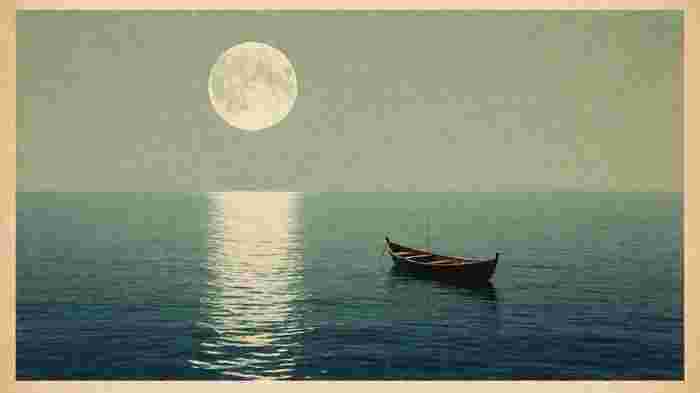
Almost a thousand years ago, one of China's greatest poets sat in a small wooden boat, looking at
将近一千年前,中国最伟大的诗人之一坐在一艘小木船里,望着
the very same moon, wrestling with those exact same feelings.
同一轮明月,内心挣扎着同样的情感。
Today, we are diving deep into a timeless masterpiece of Chinese literature, first owed on the Red
今天,我们将深入探讨中国文学的一部永恒杰作——《赤壁赋》,
Cliffs, written by the legendary Song Dynasty poet, scholar, and statesman, Xu Xu, also known as Xu Dongpa.
由宋代传奇诗人、学者兼政治家苏轼(也就是苏东坡)所写。
Now, to understand this piece, we need a little context.
现在,为了理解这篇文章,我们需要了解一点背景。
In the year 1082, Xu Xu was at one of the lowest points of his life.
在公元 1082 年,苏轼正处于他人生的最低谷之一。
He had been falsely accused of criticizing the emperor, narrowly escaped execution, and was exiled
他被诬陷批评皇帝,险些被处决,并被流放
to Huangju, a remote region where he was politically isolated and impoverished.
到黄州,一个他政治上被孤立、生活贫困的偏远地区。
One autumn night, he decided to go boating with some friends near a scenic cliff on the Yangtze River.
一天秋夜,他决定和几个朋友一起去长江边一处风景优美的悬崖附近划船。
The place was called the Red Cliffs.
这个地方被称为红崖。
Although it was not the actual historical battleground of the famous Battle of Red Cliffs, Xu Xu
虽然它并不是著名赤壁之战的真正历史战场,但苏轼
used the setting to reflect on history, the rise, and fall of heroes, and his own mortality.
借此景抒发对历史、英雄沉浮以及自身生死无常的感叹。
It is a stunning dialogue between sorrow and acceptance, between the transients of human life and
这是悲伤与接纳之间、人类生命的短暂与
the eternity of nature.
自然的永恒之间令人惊叹的对话。
I recommend keeping an ear out for how Xu Xu uses the images of water and the moon to shift from
我建议大家留意苏轼是如何运用水和月的意象,从
deep existential grief to a state of absolute, transcendental joy.
深层的存在主义悲伤转变为绝对的、超越世俗的快乐。
So, without further ado, let us step onto that small boat, feel the cool night air, and listen to
所以,闲话少说,让我们踏上那条小船,感受凉爽的晚风,聆听
the first ode on the Red Cliffs.
第一首赤壁赋。
In the autumn of the year, Xu, on the sixteenth day of the seventh lunar month, Xu Xu and his guests
壬戌之秋,七月既望,苏子与客
went boating beneath the Red Cliffs.
泛舟游于赤壁之下。
A gentle breeze blew softly, and the water was calm without a ripple.
清风徐来,水波不兴。
Raising my wine -cup, I toasted my guests, reciting the poem of the bright moon and singing the verse
举酒属客,诵明月之诗,歌窈窕之章
of the lovely maiden.
歌窈窕之章
Before long, the moon rose over the eastern hills, hovering between the constellations of Dipper and Ox.
少焉,月出于东山之上,徘徊于斗牛之间。
A white dew spread across the river, and the water's gleam merged with the sky.
白露横江,水光接天。
Letting our tiny boat drift where it would, we glided over the vast expanse of ten thousand acres of water.
纵一苇之所如,凌万顷之茫然。
How vast it was, as if we were riding the wind through the void, not knowing where we would stop,
浩浩乎如冯虚御风,而不知其所止;
how ethereal, as if we had left the world behind and stood alone, sprouting wings and ascending to
飘飘乎如遗世独立,羽化而登仙。
the realm of the immortals.
飘飘乎如遗世独立,羽化而登仙。
We drank and were filled with joy.
于是饮酒乐甚,
Tapping the gunwale of the boat, I sang a song, the cinnamon oars and orchid paddles strike the
扣舷而歌之。歌曰:“桂棹兮兰桨,击空明兮溯流光。
moonlit water, rowing against the flowing light.
桂棹兮兰桨,击空明兮溯流光。
Boundless are my thoughts, as I gaze toward my beloved at the other end of the sky.
渺渺兮予怀,望美人兮天一方。”
One of the guests, who played the bamboo flute, began to accompany my song.
客有吹洞箫者,倚歌而和之。
The sound of his flute was melancholy, like a sigh of longing, a weep, a plaintive cry.
其声呜呜然,如怨如慕,如泣如诉;
The lingering notes vibrated like a thread of silk, never snapping.
余音袅袅,不绝如缕。
It could move the hidden dragon in its deep abyss to dance, and bring tears to the eyes of a lonely
舞幽壑之潜蛟,泣孤舟之嫠妇。
widow in her solitary boat.
舞幽壑之潜蛟,泣孤舟之嫠妇。
Felt saddened by this, I adjusted my clothes, sat up straight, and asked the guest, Why does your
苏子愀然,正襟危坐而问客曰:“何为其然也?”
music sound so sorrowful?
苏子愀然,正襟危坐而问客曰:“何为其然也?”
The guest replied, The moon is bright, stars are few, and crows fly southward, is this not the poem
客曰:“‘月明星稀,乌鹊南飞’,此非曹孟德之诗乎?”
of Kaomongda?
此非曹孟德之诗乎?
Looking west toward Siakou, and east toward Huachang, where the mountains and rivers entwine in lush
西望夏口,东望武昌,山川相缪,郁乎苍苍,
green, is this not where Kao was trapped by the young Jiu -Yu?
此非孟德之困于周郎者乎?
Having conquered Jingju and taken Jiangling, he sailed east along the river.
方其破荆州,下江陵,顺流而东也。
His fleet stretched for a thousand miles, and his banners blocked out the sun.
舳舻千里,旌旗蔽空。
He poured wine overlooking the river, held his spear, and composed poems.
酾酒临江,横槊赋诗。
He was indeed a hero of his generation, but where is he now?
固一世之雄也,而今安在哉?
How much more so for you and me, who fish and gather firewood on the river banks and sandbars,
况吾与子渔樵于江渚之上,
keeping company with fish and shrimp, befriending deer.
侣鱼虾而友麋鹿。
Sailing in our leaf -like boat, raising our good cups to toast one another.
驾一叶之扁舟,举匏樽以相属。
We are but ephemera in the universe, a single grain of millet in the vast ocean.
寄蜉蝣于天地,渺沧海之一粟。
I grieve over the transience of our lives, and envy the endless flow of the Yangtze River.
哀吾生之须臾,羡长江之无穷。
I wish to soar with the immortals in flight, and embrace the bright moon for eternity.
挟飞仙以遨游,抱明月而长终。
Knowing that this cannot be easily achieved, I entrust these lingering notes to the mournful wind.
知不可乎骤得,托遗响于悲风。
I said to him, Do you also know the nature of the water and the moon?
苏子曰:“客亦知夫水与月乎?”
The water flows away like this, yet it is never gone, the moon waxes and wanes like that, yet in the
逝者如斯,而未尝往也;盈虚者如彼,而卒莫消长也。
end, it neither grows nor shrinks.
归根结底,既没有增长也没有缩减。
If we look at things from the perspective of change, then heaven and earth cannot last even for a
盖将自其变者而观之,则天地曾不能以一瞬;
blink of an eye.
连一眨眼的时间都不到。
But if we look at them from the perspective of constancy, then both we and all things are infinite.
自其不变者而观之,则物与我皆无尽也,
What is there to envy?
而又何羡乎!
Moreover, between heaven and earth, everything has its rightful owner.
且夫天地之间,物各有主,
If it does not belong to me, I must not take even a tiny fraction of it.
苟非吾之所有,虽一毫而莫取。
Only the clear breeze on the river and the bright moon over the mountains, when our ears hear them,
惟江上之清风,与山间之明月,耳得之而为声,
they become sound, when our eyes meet them, they become color.
目遇之而成色,
We can take them without restriction, and they are never exhausted.
取之无禁,用之不竭。
They are the infinite treasure house of the Creator, shared by you and me for our common enjoyment.
是造物者之无尽藏也,而吾与子之所共适。
The guest smiled with joy, washed his cup, and poured more wine.
客喜而笑,洗盏更酌。
The food and fruits were all finished, and the cups and plates lay in disarray.
肴核既尽,杯盘狼籍。
We fell asleep huddled together in the boat, unaware that the eastern sky was already growing bright. Wow!
相与枕藉乎舟中,不知东方之既白。哇!
Every time I read that, it takes my breath away.
每次读到这里,我都惊叹不已。
It is so incredibly beautiful, isn't it?
这真是美得难以置信,不是吗?
The way Susha transforms existential dread into pure, unadulterated peace is just spectacular.
苏轼将生存的恐惧转化为纯粹、纯净的平静,简直太壮观了。
My favorite part has always been when he speaks of the breeze on the river and the moon over the
我最喜欢的部分一直是他谈到江上的清风和山间的明月时,
mountains as the infinite treasure house of the Creator.
将其视为造物者无尽的宝库。
It is a powerful reminder that the best things in life, the ones that truly feed our souls, cannot
这是一个强有力的提醒:生活中最好的事物,那些真正滋养我们心灵的东西,是无法
be bought, owned, or taken away.
被购买、拥有或夺走的。
They are free, and they are always there for us if we only stop to look and listen.
它们是免费的,只要我们停下脚步去观察和倾听,它们就一直在那里。
For today's episode, I have an interesting question for you all.
在今天的节目中,我有一个有趣的问题要问大家。
Susha contrasts change with constancy to find peace.
苏轼通过将变与常进行对比来寻找内心的平静。
How do you find peace when your life feels overwhelming or filled with constant change?
当你的生活感到压抑或充满不断的变化时,你是如何找到平静的?
Do you have a personal breeze and moon that comforts you?
你有什么个人的清风明月来抚慰你吗?
Please share your thoughts in the comment section below, and take a moment to read and reply to what
请在下方的评论区分享你的想法,并花点时间阅读和回复
others have written.
他人所写的内容。
I love reading how these ancient texts resonate with our modern lives.
我很喜欢看这些古代文本是如何与我们的现代生活产生共鸣的。
If you enjoyed our journey tonight, please consider subscribing to Talkcast Talk, sharing this
如果你喜欢我们今晚的旅程,请考虑订阅 Talkcast Talk,将这期节目分享
episode with your fellow literature lovers, and joining our membership for exclusive, ad -free
给你的文学爱好者同伴,并加入我们的会员以获得独家、无广告的节目
content and study materials.
内容和学习资料。
Your support keeps this show alive.
你们的支持是这个节目延续下去的动力。
Also, do not forget to comment with any literary pieces you would love to hear me read in future episodes.
另外,别忘了在评论区留言你希望我在以后的节目中朗读的文学作品。
I base my upcoming schedule directly on your suggestions.
我接下来的安排将直接根据你们的建议来定。
Thank you so much for listening, stay curious, keep learning, and I will see you next time.
非常感谢大家的收听,保持好奇心,持续学习,我们下期见。